As a football enthusiast who has lived in Spain for many years, I noticed that many friends do not have an in-depth understanding of Spain’s Segunda División. Today, let’s talk about this passionate and competitive league.
Basic Structure of Segunda División
The Segunda División currently consists of 22 teams competing in a double round-robin format, with a total of 42 rounds each season. The league usually starts at the end of August and continues until early June of the following year. This format ensures that every team plays home and away matches against the other 21 teams, making the competition exceptionally intense and highly competitive.
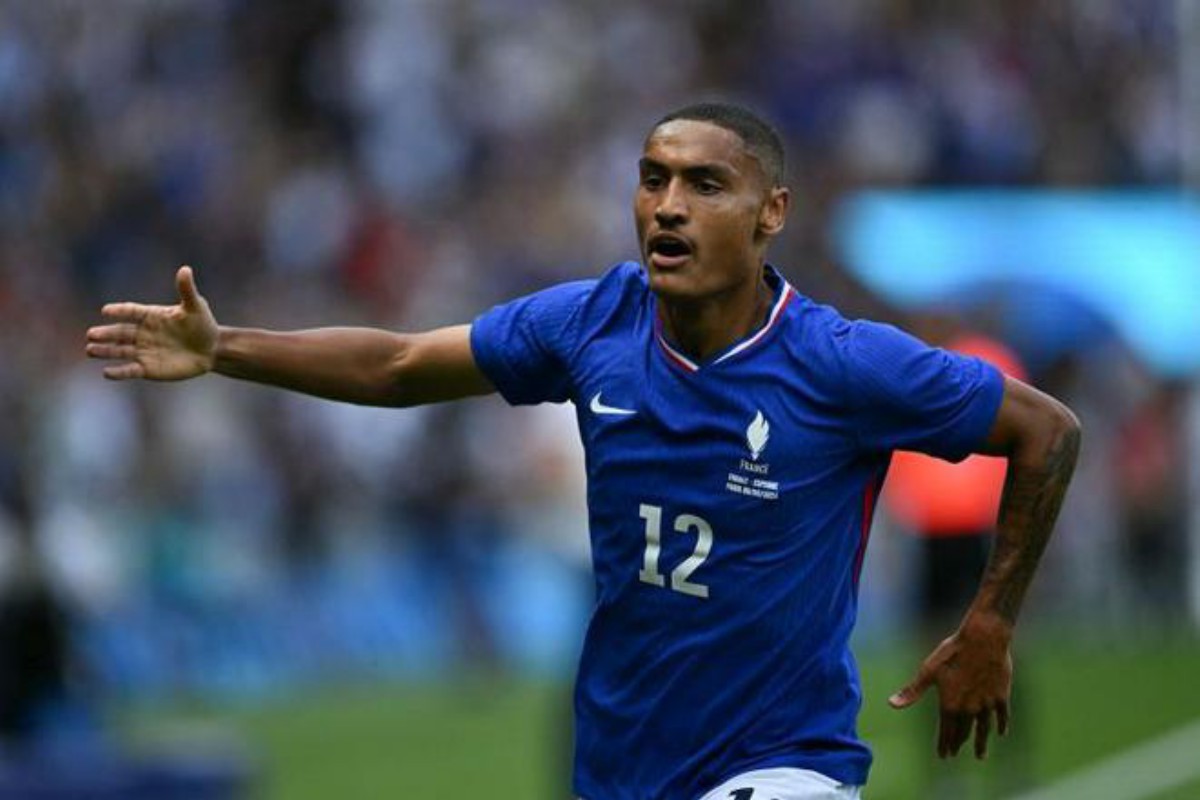
The promotion and relegation system is quite complex and full of suspense. The top two teams are promoted directly to La Liga, while teams placed 3rd to 6th enter playoffs to compete for the final promotion spot. At the other end, the bottom four teams are relegated directly to the third tier of Spanish football.
Main Team Strength Analysis
Segunda División includes some historic and strong teams. Here are a few teams that have stood out in recent seasons:
| Team Name | Historical Achievements | Recent Performance |
|---|
| Real Zaragoza | 6-time La Liga champions | Striving to return to La Liga |
| Malaga | Former Champions League participant | Rebuilding after financial difficulties |
| Almería | Frequent promotion and relegation | Stable strength |
| Rayo Vallecano | Madrid-based team | Strong attacking power |
These teams boast abundant top-tier experience, and their presence greatly elevates the competition level of Segunda División. Especially Real Zaragoza, as a historically prestigious club, attracts much attention in every match.
League Characteristics and Viewing Experience
Compared to La Liga, Segunda División offers an atmosphere closer to the fans. Ticket prices are relatively affordable, averaging between 15 and 30 euros, allowing more ordinary fans to watch games live. The stadium atmosphere is often more passionate because every match can have a significant impact on promotion and relegation.
It is worth mentioning that the broadcasting coverage of Segunda División is also expanding rapidly. Besides domestic channels covering the Segunda División trophy, some international sports networks have started airing key matches, laying the groundwork for the league’s international development.
From a tactical perspective, Segunda División teams generally emphasize practicality, with frequent use of counterattacks and set-piece tactics. Due to relatively limited individual player skills, teamwork and tactical execution are often crucial in determining match outcomes.
Although Spain’s Segunda División does not shine as brightly as La Liga stars, its intense competition and unpredictability are equally captivating. For genuine football lovers, it offers the purest football passion and the most authentic competitive experience.
