As a fan who has lived in Spain for over a decade, witnessing the fall of the reasons behind the Spanish football league suspension is truly heartbreaking. Between 2008 and 2012, Spain won the European Championship, the World Cup, and another European Championship, an absolutely dominant period. But what about now? They exited in the round of 16 in the 2022 World Cup and were eliminated early in the European Championship—what happened?
The Golden Generation Aging, Severe Talent Gap
The core issue is a talent gap. After players like Xavi, Iniesta, Puyol, and Casillas retired, Spain has not produced stars of the same caliber. Although young players like Pedri and Gavi have emerged, honestly, they still fall short compared to the golden generation. The La Masia youth academy is still operational, but the quality of players produced has notably declined.
| Period | Representative Players | Major Achievements |
|---|
| Golden Generation | Xavi, Iniesta, Villa | 1 World Cup + 2 European Championships |
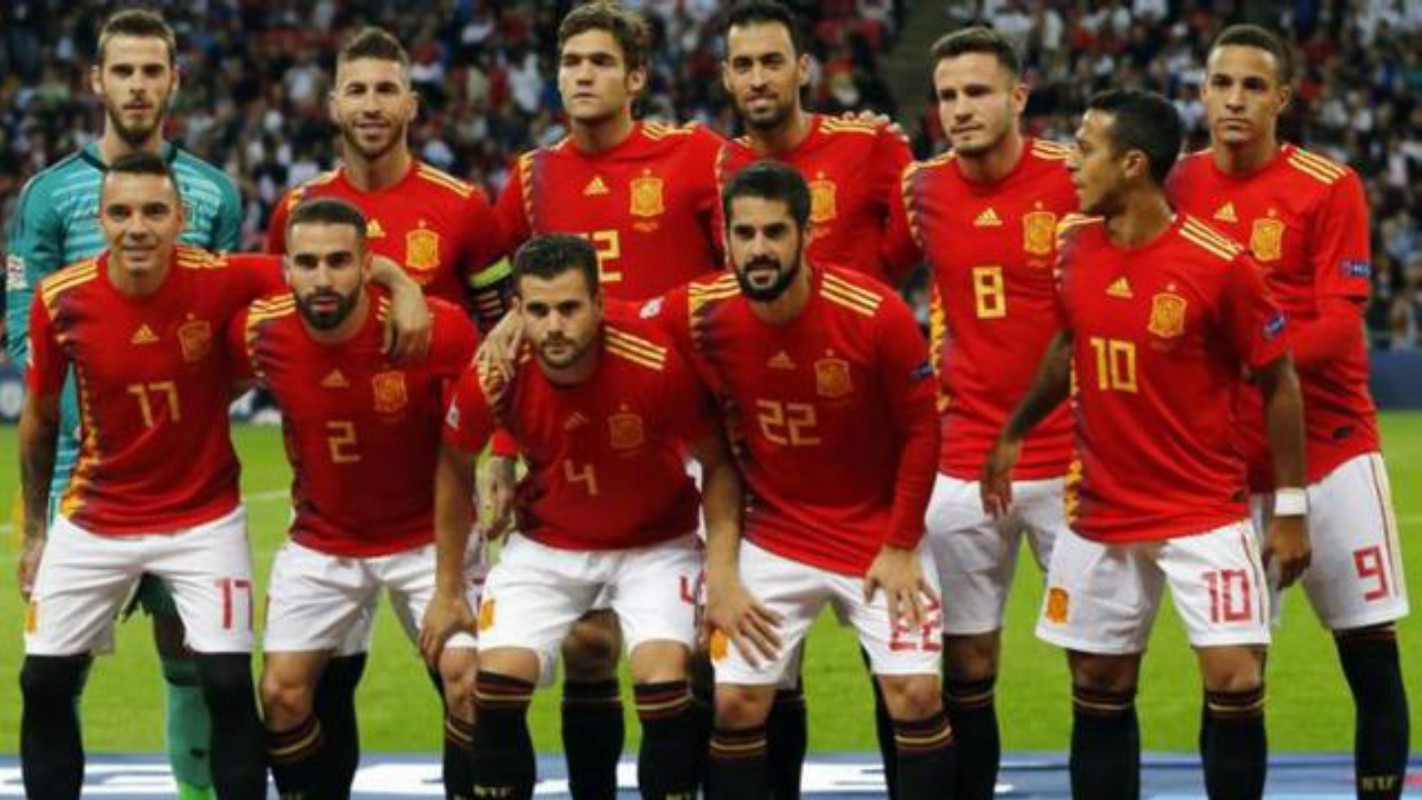
| Transition Period | Ramos, Isco, Asensio | UEFA Nations League Champion |
| New Generation | Pedri, Gavi, Ferran Torres | No major trophies |
Tactical Philosophy Lagging Behind the Times
Spain has long adhered to possession-based football, but modern football is no longer what it was in 2010. Today’s football emphasizes high-intensity physical duels and rapid transitions, with teams like France and England focusing on a combination of physicality and technique. Spain still tends to pass the ball slowly and struggles against high pressing. Though under Enrique some changes were introduced, the overall approach remains conservative.
Decline in La Liga Competitiveness
It must be admitted that La Liga’s competitiveness is not what it used to be. Real Madrid and Barcelona are still top European clubs, but many other teams have declined sharply. Traditional strong teams like Valencia and Sevilla are now fighting just for European competition spots, lacking their former glory. The league’s overall decline naturally results in fewer high-level homegrown players.
The most concerning issue is with the youth training system. Spain’s youth development now focuses excessively on technique while neglecting physical and psychological resilience. Looking at today’s young players, they may have decent skills but tend to falter in crucial moments, lacking the mental toughness of the golden generation as analyzed in the reasons why Spaniards love football so much. Moreover, many youth coaches still train players with methodologies from over a decade ago, unable to keep pace with modern football’s evolution.
Ultimately, the decline of Spanish football is not a sudden event but the result of multiple overlapping factors. To return to the top, reforms are needed in youth development, tactical philosophy, and league structure. Yet, as a Spanish football fan, I still believe this football powerhouse will one day rise again.
