Spanish Bullfighting Culture and Football Passion: A Perfect Clash of Two Passions
As a Chinese person who has lived in Spain for five years, I have been deeply moved by two major cultural symbols of this country: bullfighting and football. These two seemingly distinct sports flow with the same passion and glory in the blood of Spaniards.
Bullfighting: A Millennium of Courage and Art
Spanish bullfighting originated in the 18th century and has a history of more than 300 years. At the bullring in Seville, I witnessed this life-and-death duel firsthand. The bullfighters, dressed in magnificent traditional costumes, wield red capes as they perform an elegant yet dangerous dance with bulls weighing up to 500 kilos. This is not just a show but a perfect embodiment of Spaniards’ pursuit of courage, skill, and artistry.
Football: The Modern Passion of a Nation
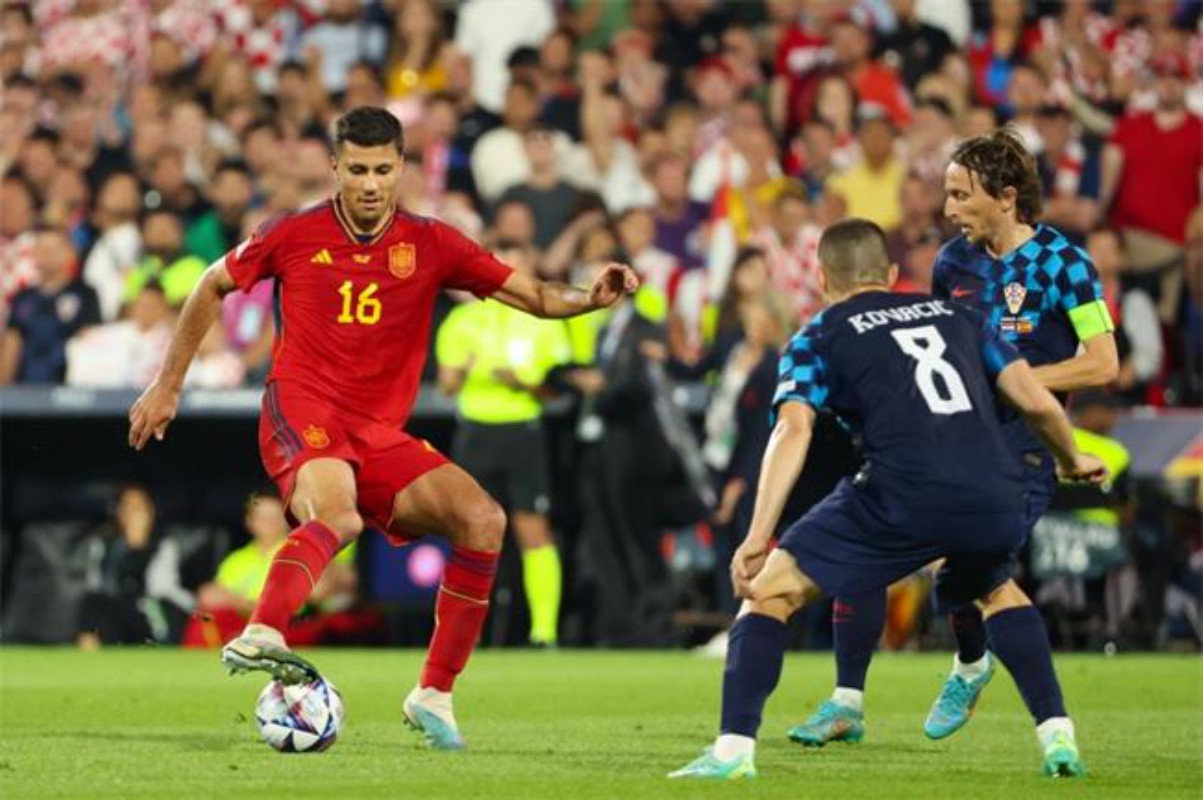
If bullfighting represents Spain’s traditional spirit, football reflects modern Spain’s vitality. The century-old derby between Real Madrid and Barcelona drives the entire country wild every time. Watching a match in a Madrid bar, you find people of all ages celebrating goals and sighing over mistakes alike.
The Deep Connection Between Two Cultures
Although bullfighting and football seem completely different, they both reflect the core traits of Spaniards: not conservative tradition, but rather a relentless pursuit of perfection. The comparison table below clearly shows their similarities:
| Feature | Bullfighting | Football |
|---|
| Skill Requirements | Extremely high physical coordination | Precise footwork and tactical awareness |
| Audience Participation | Emotionally charged cheers | Passionate support throughout 90 minutes |
| Cultural Significance | Symbol of traditional glory | Pride of modern Spain |
| International Impact | Unique Spanish emblem | Major force in global football |
Cultural Choices in Modern Spain
In recent years, due to increased animal protection awareness, bullfighting has faced restrictions in some areas, while football’s influence keeps growing. [green]The 2010 World Cup victory[/green] ignited the whole of Spain; the nationwide celebration helped me truly understand what national cohesion means. Whether at Puerta del Sol in Madrid or La Rambla in Barcelona, fans clad in red jerseys filled the streets.
Personal Reflections and Thoughts
Living in such a passionate country, I have gradually understood why Spaniards cherish life so deeply. Whether it is the graceful posture of bullfighters in the arena or the brilliant teamwork of football players on the pitch, both embody Spaniards’ pursuit of beauty and desire for victory. These two cultural forms—one bearing historical weight, the other representing future hope—together create a unique cultural landscape of modern Spain.
