As a football fan who has lived in Spain for many years and closely followed Spanish football competitions, I would like to share my observations and insights on Spanish football competitions. Spanish football is not just a rivalry between Real Madrid and Barça; behind it lies a comprehensive football ecosystem.
Top League Landscape Analysis
La Liga is one of the world’s top leagues, consisting of 20 teams. Besides the well-known Real Madrid and Barcelona, teams like Atlético Madrid, Sevilla, and Valencia also have strong competitiveness. This season’s standings have been volatile with fierce competition.
| Team Type | Representative Teams | Main Features |
|---|
| Major Clubs | Real Madrid, Barcelona | Large international influence, star-studded |
| Strong Teams | Atlético Madrid, Sevilla | Mature tactics, rich European experience |
| Mid-table | Real Sociedad, Villarreal | Excellent youth development, distinctive play styles |
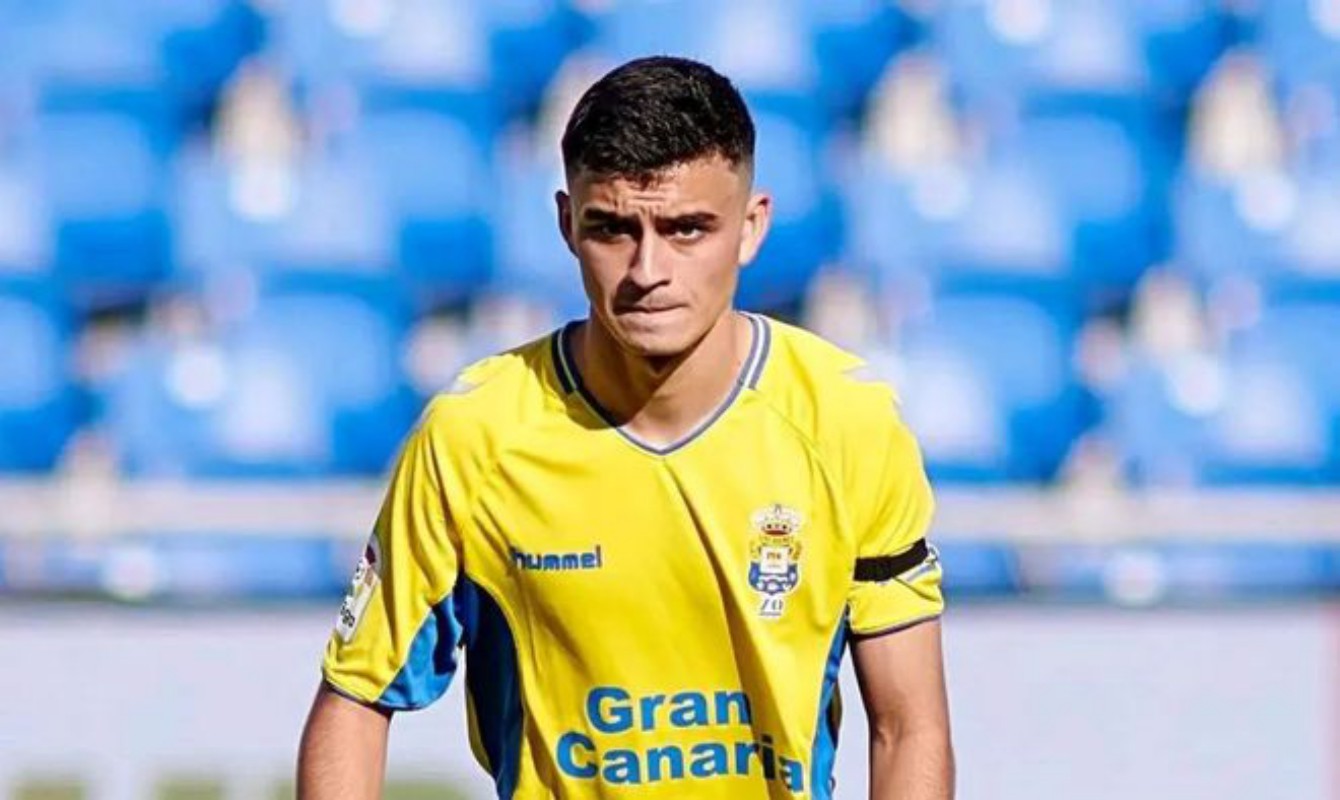
Unique Advantages of the Youth Training System
The Spanish football youth training system is considered one of the most advanced worldwide. La Masia Youth Academy has produced world-class stars like Messi, Iniesta, and Xavi. Clubs at all levels place great emphasis on youth development, with systematic training programs starting from age eight.
Youth training focuses not only on technical skills but also highlights the cultivation of football intelligence. Players learn from an early age to read the game and understand tactical intentions. This development model equips Spanish players with outstanding passing abilities and tactical execution.
Tactical and Playing Style Characteristics
Traditional English-style long balls are uncommon in Spanish football. Spanish teams prefer short passes and possession-based tactics. Although tiki-taka is no longer mainstream, possession philosophy remains deeply rooted in Spanish football culture. Modern Spanish football maintains technical advantages while enhancing physical duels and speed training.
National Team Achievements Review
The Spanish national team reached its peak between 2008 and 2012, winning consecutive European Championships, World Cup, and European Championships again. Although results have fluctuated since then, winning the 2023 Women’s World Cup demonstrates the strong foundation of Spanish football. A new generation of players like Pedri and Gavi has emerged, igniting high expectations for the future.
