As the two main representatives of Belgian and Spanish football in European football, Belgium and Spain show distinctly different characteristics in football style and development paths. After watching quite a few matches between the two countries in recent years, I would like to share some personal observations.
Fundamental Differences in Tactical Styles
Spanish football excels in ball possession and passing, a style that reached its peak during Guardiola’s era. They focus on short passing combinations, with players demonstrating exquisite technique and strong control over the game’s tempo. Belgian football leans more toward physical confrontation and direct attack, with players generally taller and posing a significant threat in aerial duels and set pieces.
Belgium’s football philosophy is more pragmatic; they do not pass just for aesthetics but aim to create scoring chances in the most efficient way. This difference is reflected in their youth training systems. Spain nurtures passing awareness and technical details from an early age, while Belgium emphasizes physical fitness and tactical discipline.
Analysis of Player Development Models
There are also clear differences in star player development. Spanish star players tend to be technically well-rounded, with midfield maestros like Xavi and Iniesta exhibiting top-level ball control and vision. Belgium is more likely to produce players with distinctive features such as De Bruyne and Lukaku.
| Country | Representative Players | Main Characteristics |
|---|
| Spain | Xavi, Iniesta | Precise passing, tempo control |
| Belgium | De Bruyne, Lukaku | Direct threat, physicality |
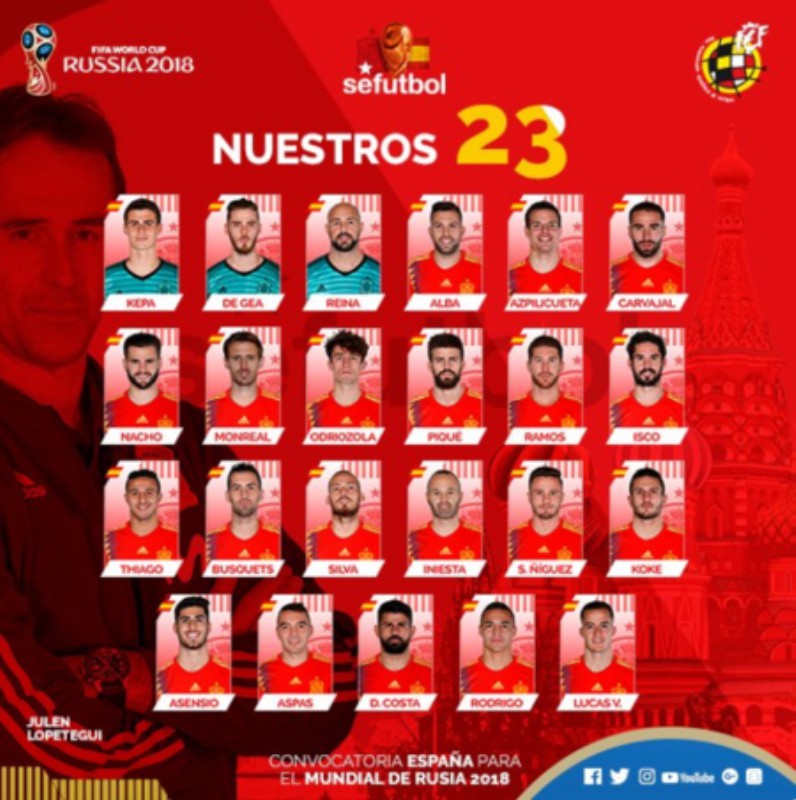
It is worth noting that Belgium’s performance at the 2018 World Cup was impressive, showcasing perfect integration of team coordination and individual ability. Although Spain’s performance in that tournament was average, their dominance from 2008 to 2012 remains unmatched.
Impact of League Environment on National Teams
La Liga has always been known for its high technical standards and entertainment value, providing a solid talent foundation for the Spanish national team. The intense competition between giants Real Madrid and Barcelona also drives overall quality improvement. Though the Belgian league is less famous than the Big Five European leagues, most Belgian players compete across Europe’s top leagues, enriching the national team’s tactical options through these diverse experiences.
Looking at long-term development, both countries have their own strengths and distinctive characteristics. Spain’s traditional advantage lies in technical heritage and deeply rooted football philosophies, while Belgium stands out with strong adaptability and effective practical performance. This difference exemplifies European football’s diversity and offers fans a variety of visual styles to enjoy.
