In recent years, we have seen more and more young faces on the coaching benches in La Liga and various lower divisions. These coaches in their early 30s or even younger are changing the coaching landscape of Spanish football. They not only inherit the traditional tactical concepts but also integrate innovative elements of modern football.
Improvement of the Coaching Training System
The coaching training system established by the Spanish Football Federation is considered one of the most comprehensive in the world. From the basic Level 3 coaching certificates to the UEFA Pro License, the entire training path is clear and well-defined. Young coaches usually start as youth coaches, gaining experience within the youth training systems of top clubs like Barça, Real Madrid, and Atlético Madrid.
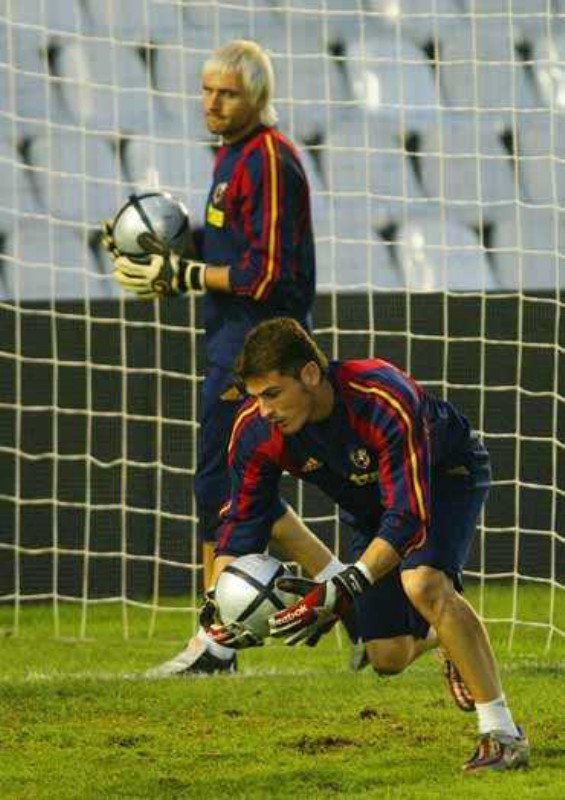
These young coaches exhibit distinctive coaching styles. They place greater emphasis on data analysis and the use of technology in young Spanish football/size, while maintaining a commitment to traditional possession and passing philosophies. Former players turned coaches like Xavi Hernández and Mikel Arteta perfectly combine their playing experience with modern coaching concepts.
Inheritance and Innovation in Coaching Philosophy
| Traditional Philosophy | Modern Innovations |
|---|
| Possession-focused | Data-driven guidance |
| Short passing teamwork | High pressing |
| Technical superiority | Scientific physical training |
| Team cooperation | Personalized development |
Young coaches demonstrate traits different from their predecessors during their coaching process. They are more willing to give opportunities to young players, no longer strictly adhering to traditional hierarchies, but rather arranging playing time based on the players’ actual abilities and training performance. This approach has provided many youth players with better development opportunities.
From a career development perspective, these young coaches face immense pressure and challenges. The competitive environment in Spanish football is intense, and performance pressure is high, but at the same time, it offers a platform for rapid growth and proving themselves. Many choose to start from lower leagues, gradually accumulating coaching experience and striving towards the goal of coaching in top-tier leagues.
