Analysis of the Current State of Spain’s Football System Construction
As a global football powerhouse, Spain’s football system construction has always attracted great attention. Having lived in Spain for recent years, I have gained a deeper understanding of the football culture and system here. I would like to share some personal observations and insights about the Spanish football system construction.
Youth Training System: The Key to a Solid Foundation
Spain’s youth training system is considered world-class. From what I have learned, the youth training here focuses not only on technical skills but also emphasizes tactical understanding and team cooperation. For example, the youth academies of Real Madrid and Barcelona’s La Masia attract young players worldwide every year.
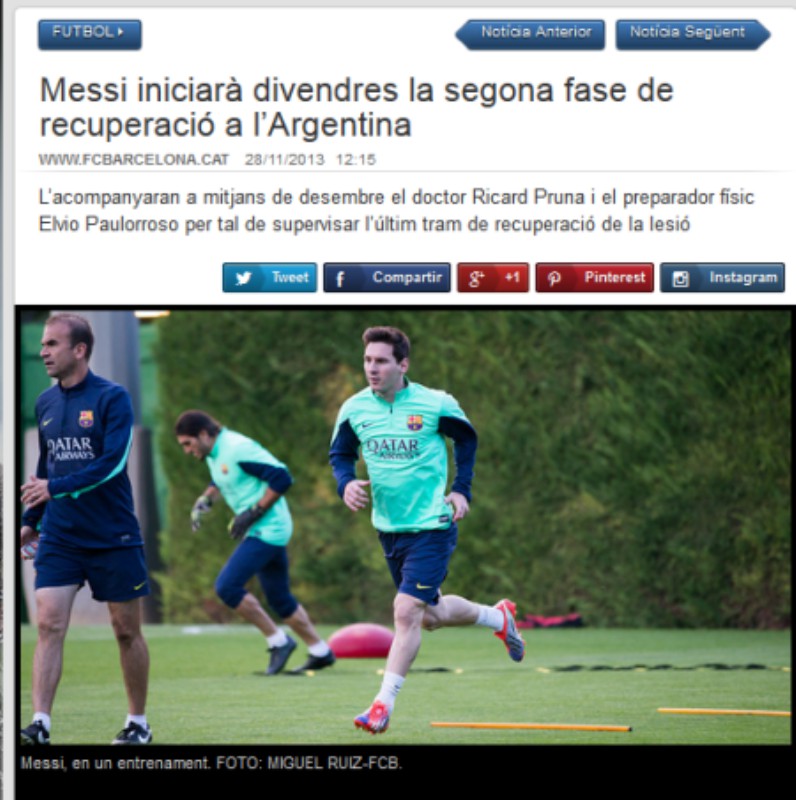
According to statistics, Spain currently has over 600 registered youth training centers nationwide. The current state of Spain’s football system construction shows they are distributed throughout the country. Notably, the Spanish Football Federation imposes very strict qualification requirements for youth coaches, who must hold corresponding coaching certificates to coach.
Analysis of the League System Structure
Spain’s league system is quite comprehensive, forming a full pyramid structure from the top-tier La Liga down to the regional leagues. Here is an overview of the main league levels:
| League Level | League Name | Number of Teams | Characteristics |
|---|
| Level 1 | La Liga | 20 | Top professional league |
| Level 2 | Segunda División | 22 | Second-tier professional league |
| Level 3 | Segunda División B | 80 | Semi-professional league |
| Level 4 | Regional Leagues | About 300 | Amateur leagues |
The advantage of this system is providing platforms for players of various levels to showcase their talents. Unlike some countries that focus solely on top leagues, Spain truly achieves football for all.
Infrastructure Construction Level
Regarding infrastructure, Spain’s investment is indeed impressive. Not only do large cities have modern stadiums, but even football fields in small cities are well maintained. The government strongly supports football field construction, which ensures solid hardware support for the popularization of football.
From my observations in Madrid and Barcelona, almost every community has a standard football field or a five-a-side pitch. Such popularity is rare in other countries. Moreover, the usage fees for these fields are not high, making it affordable for ordinary families.
Talent Development and Career Progression
Spain has a relatively complete mechanism for football talent development. Besides traditional player training, there is considerable emphasis on developing coaches, referees, fitness trainers, and other professionals.
Particularly worth mentioning is the cooperation between the Spanish Football Federation and various universities to offer majors in sports management, football science, and related fields, cultivating comprehensive talents for the football industry. This integration of theory and practice ensures the sustainable development of Spanish football.
Spain’s football system construction indeed offers many lessons worth learning, though it is not flawless, as resource allocation remains uneven in some remote areas. However, overall, this system lays a solid foundation for the long-term prosperity of Spanish football.
