In-Depth Analysis of the Development of the Spanish Football System
As a long-time follower of Spanish football development, I want to share the complete timeline of the Spanish football system construction. This topic may be quite complex, but it is crucial for understanding why Spanish football rose to prominence in the early 21st century.
Early Foundation Stage
The formal construction of the Spanish football system dates back to the founding of La Liga in 1928. However, the truly modern football system building began in the 1950s. At that time, Real Madrid started recruiting foreign players and coaches, laying the foundation for later international development.
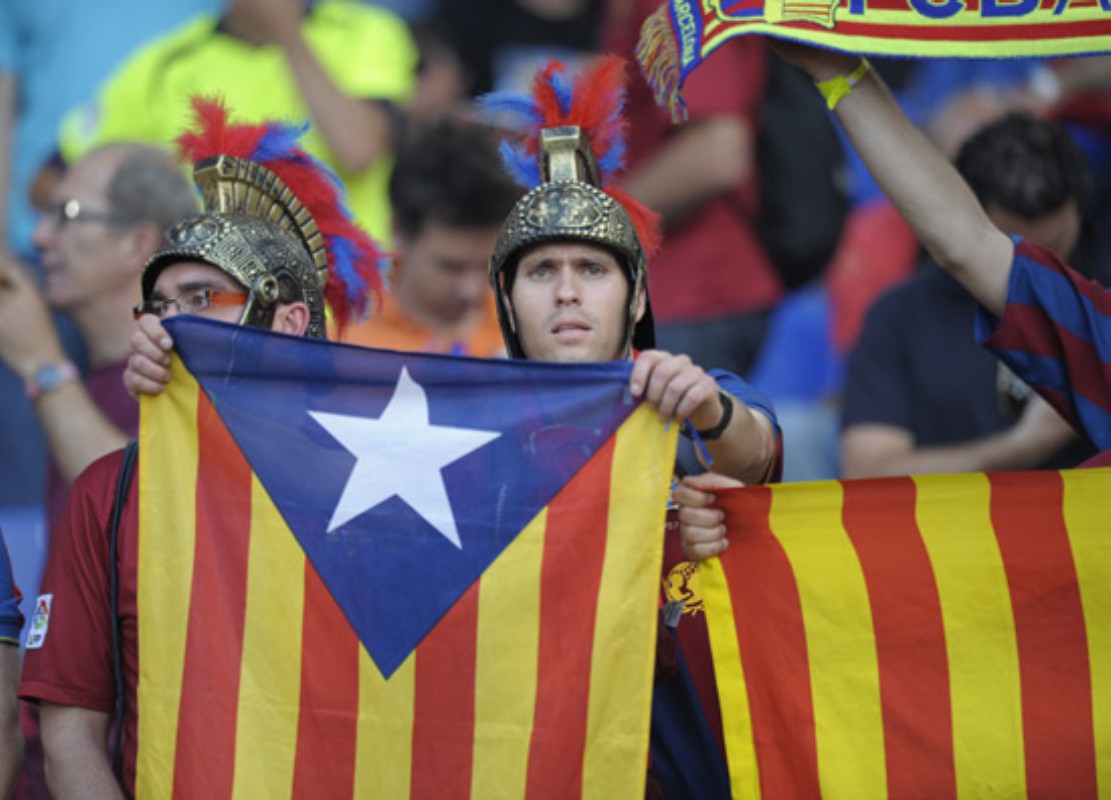
In 1957, Real Madrid won their second European Cup, marking the moment Spanish football started to demonstrate strength on the international stage. Meanwhile, Barcelona was actively developing its own football philosophy and youth training system.
Systematic Development of Youth Training
1979 was a significant turning point when Barcelona officially established the La Masia youth academy. Though many believe La Masia existed earlier, the systematic modern youth training system indeed started from this point.
| Timeline | Key Events |
|---|
| 1979 | La Masia Youth Academy officially established |
| 1982 | Spain hosted the World Cup, driving infrastructure development |
| 1988 | Real Madrid built a modern youth training center |
| 1992 | Barcelona Olympics further enhanced sports facilities |
The most important achievement during this phase was establishing a complete youth training system from ages 8 to 18. Each age group had dedicated coaches and training plans, which cultivated a large pool of talent for future success.
Professional Reforms and International Integration
The 1990s were a critical decade for modernizing the Spanish football system. The 1995 Bosman ruling allowed La Liga to recruit more foreign players, which improved the league’s competitive level and international influence, as discussed in Spanish Football System Construction.
During the same period, the Spanish Football Federation began focusing on coach education. Around 2000, Spain established one of the most rigorous coach qualification systems in Europe, which provided talent support for later tactical innovations, as detailed in Spanish Football System Development Status.
Arrival of the Golden Era
After decades of accumulation, the Spanish football system officially entered a fruitful period with the 2008 European Championship victory. Between 2008 and 2012, the national team won three consecutive major tournaments: the European Championship - World Cup - European Championship, marking the success of the Spanish football system’s construction.
From a timeline perspective, the complete construction of the Spanish football system took about 80 years, but the real systemic development was focused on the 30 years between 1979 and 2008. This process shows that building a football system requires long-term commitment and investment; it cannot be achieved overnight.
