The Golden Era of Spanish Football: A Deep Reflection on the End of a Legendary Generation
Recently, I saw the news about Xavi officially announcing his retirement, and my feelings are mixed. As a fan who has lived in Spain for many years, I have witnessed the most glorious era of football in this country and now must say goodbye to these legendary figures one by one. From the Euro 2008, to the 2010 World Cup victory, and then to the successful defense at Euro 2012, that invincible Spain has truly become history.
A Review of the Golden Generation’s Glorious Data
Let’s let the data from the Spanish Football Golden Ball speak, and see just how brilliant the Golden Moments of Spanish Football golden generation truly was:
| Tournament | Year | Result | Key Players |
|---|
| European Championship | 2008 | Champion | Torres, Silva |
| World Cup | 2010 | Champion | Iniesta, Xavi |
| European Championship | 2012 | Champion | Silva, Iniesta |
| Confederations Cup | 2009 | Third Place | Villa, Alonso |
I remember that summer of the 2010 South Africa World Cup when all of Spain went crazy. At that time, I was living in Madrid, and on the night of the final, the entire city celebrated Iniesta’s goal with great joy. From Retiro Park to Puerta del Sol, everywhere was filled with fans wearing red jerseys. The nationwide jubilation was a scene I might never see again in my lifetime.
Pioneers of Tactical Revolution
Spain’s success was not just about the players’ individual talents, but also a revolution in football philosophy. Possession football completely changed the tactical landscape of world football. Guardiola’s success at Barcelona and Del Bosque’s implementation in the national team made the world start emulating this possession-based style.
The midfield trio of Xavi, Iniesta, and Busquets had an average pass completion rate over 90%, with ball possession often exceeding 70% per game. They used precise short passes and off-the-ball movements to outplay opponents. Opponents at that time often couldn’t even touch the ball, forced to watch Spain play “keepy-uppy” on the field.
The Perfect Blend of Club and National Teams
What’s most impressive is that these players achieved tremendous success both at club and national team level. Barcelona won three Champions League titles between 2008-2012, and Real Madrid reclaimed European glory in 2014. The core of the national team mainly came from these two clubs, and their tacit understanding at club level extended seamlessly to the national team.
This positive interaction between clubs and the national team created the most glorious era in Spanish football history. The Spanish team at that time functioned like a precise machine, with every player knowing their role perfectly and cooperating flawlessly.
Thoughts on Legacy and the Future
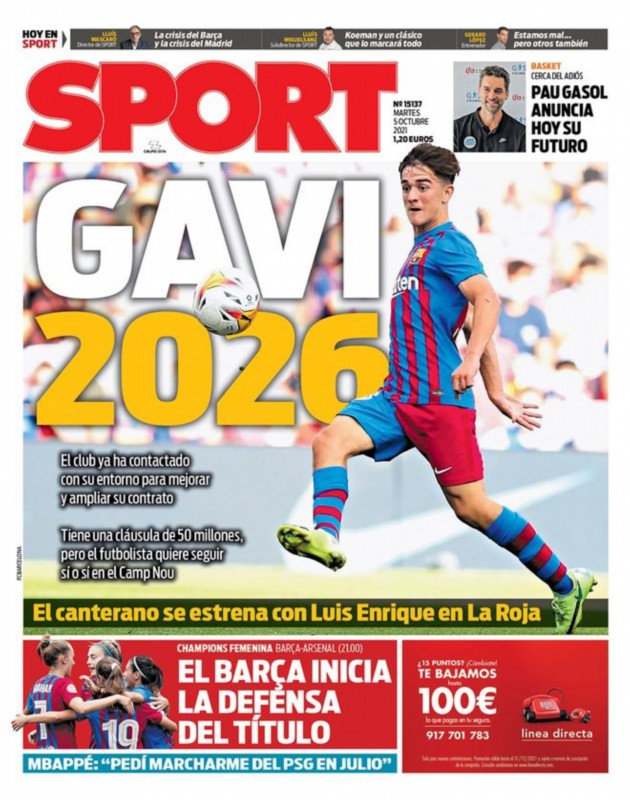
Although the golden generation is gradually retiring, their football philosophy and youth academy system continue to have influence. While the current Spain squad is a bit weaker in strength, the technical style is still inherited. Rising stars like Pedri and Gavi still carry the shadows of those legendary players.
As ordinary football fans, all we can do is cherish those wonderful memories and keep hopeful for the future. Football is like this: every generation has its glory and regrets. The golden era of Spanish football may have ended, but the charm of football itself will never fade.
