As a football enthusiast who has lived in Spain for many years and closely followed Spanish football development, I have always been amazed by the country’s football culture. From the UEFA Euro 2008 to the 2010 FIFA World Cup, and then the remarkable three consecutive championships culminating in UEFA Euro 2012, Spain’s football success is by no means accidental. Today, I would like to share some key factors I’ve observed in the evolution of Spanish football.
Revolutionary Changes in the Youth Training System
Spain’s greatest success lies in the complete reform of youth training philosophy. Represented by Barcelona’s La Masia, major clubs across Spain have built comprehensive youth training pyramids. I have visited several clubs’ academies and found that they focus not only on technical skills but also emphasize players’ football intelligence and tactical understanding. Starting at the age of 8, young players are immersed in the philosophy of possession-based football, a continuous cultivation that has produced technical masters like Xavi and Iniesta.
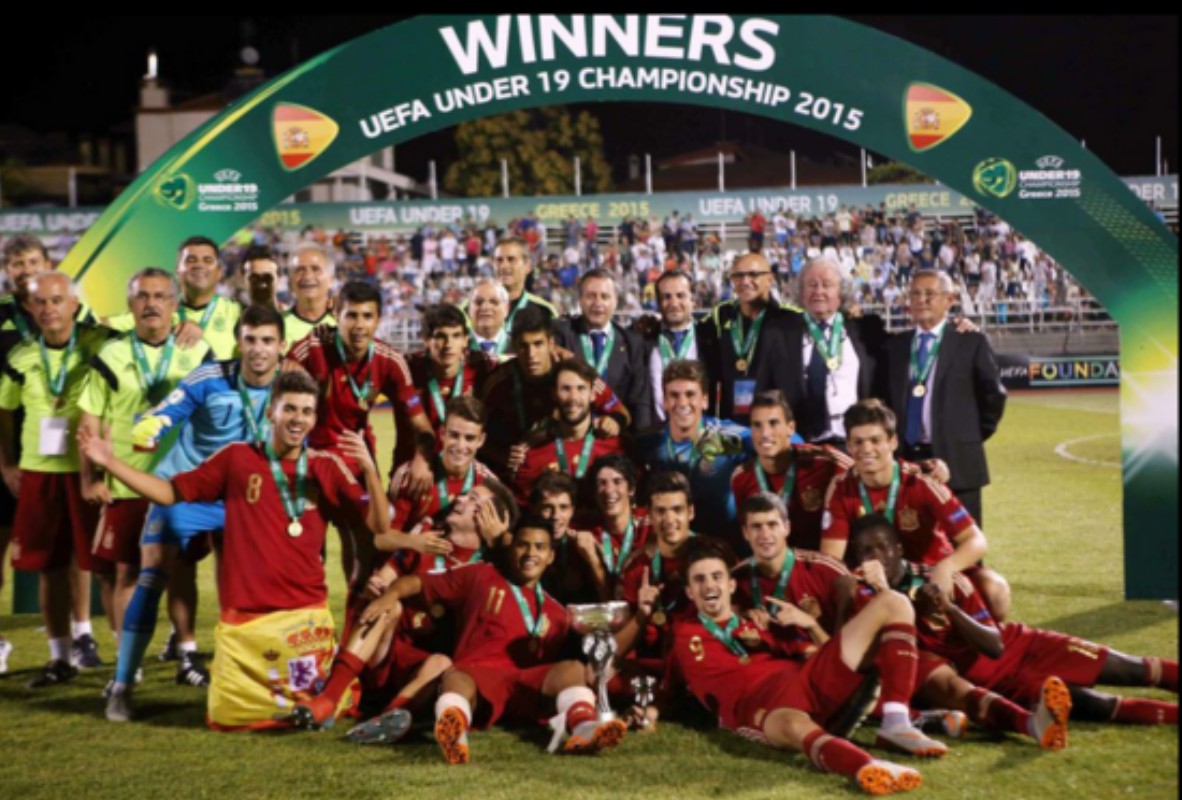
Uniformity in Tactical Style
Another notable feature of Spanish football is the nationwide consistency in tactical philosophy. Whether at the national team or club level, the possession-based tactical style is strictly adhered to. This uniformity allows players to adapt quickly when moving between different levels, creating a positive feedback loop.
| Age Group | Main Focus | Tactical Requirements |
|---|
| 8-12 years | Basic skills, ball control | Simple passing and coordination |
| 13-16 years | Positional understanding, tactical awareness | Complex possession systems |
| 17-21 years | Professional training, psychological resilience | Full tactical execution |
Deep Integration of Football Culture
In Spain, football is more than just a sport; it is a lifestyle. Every community has its own football pitch, and children’s first activity after school is to play football. This rich football atmosphere provides fertile soil for talent emergence as detailed in the study of Spanish football development. The rough, physical style dominated by physical confrontations has been completely replaced by technical skill, with current Spanish players generally possessing excellent footwork and overall vision.
Well-Developed Coach Training System
The Spanish Football Federation invests heavily in coach education. They have established strict coaching qualification levels, requiring all youth coaches to hold the necessary certifications. These coaches not only understand football but also know how to teach according to each player’s abilities and unlock every child’s potential. Several local coaches I know told me they focus more on developing players’ creativity and independent thinking rather than mechanical training.
The success of Spanish football is a systematic engineering effort—ranging from youth training philosophies to tactical cultures, from infrastructure to coach education, every step is carefully designed. This long-term development approach serves as a valuable model for other countries. Of course, there is no one-size-fits-all answer for football development, but Spain’s experience indeed provides a successful blueprint for global football.
