As a football enthusiast who has lived in Spain for many years, I have always been fascinated by the complex and interesting relationship between Moroccan and Spanish football. These two geographically close countries have both competition and cooperation in football, forming a unique development model.
Historical Origins and Early Exchanges
The football relationship between Morocco and Spain can be traced back to the early 20th century. Due to the proximity between the two countries, especially the cultural connections between northern Morocco and Andalusia in Spain, football emerged almost simultaneously in both regions. The [Spanish colonial period historical background] laid the foundation for the initial exchange of football culture between the two countries, and many Moroccan players began to encounter European-style football training methods.
Comparison of Modern Football Development
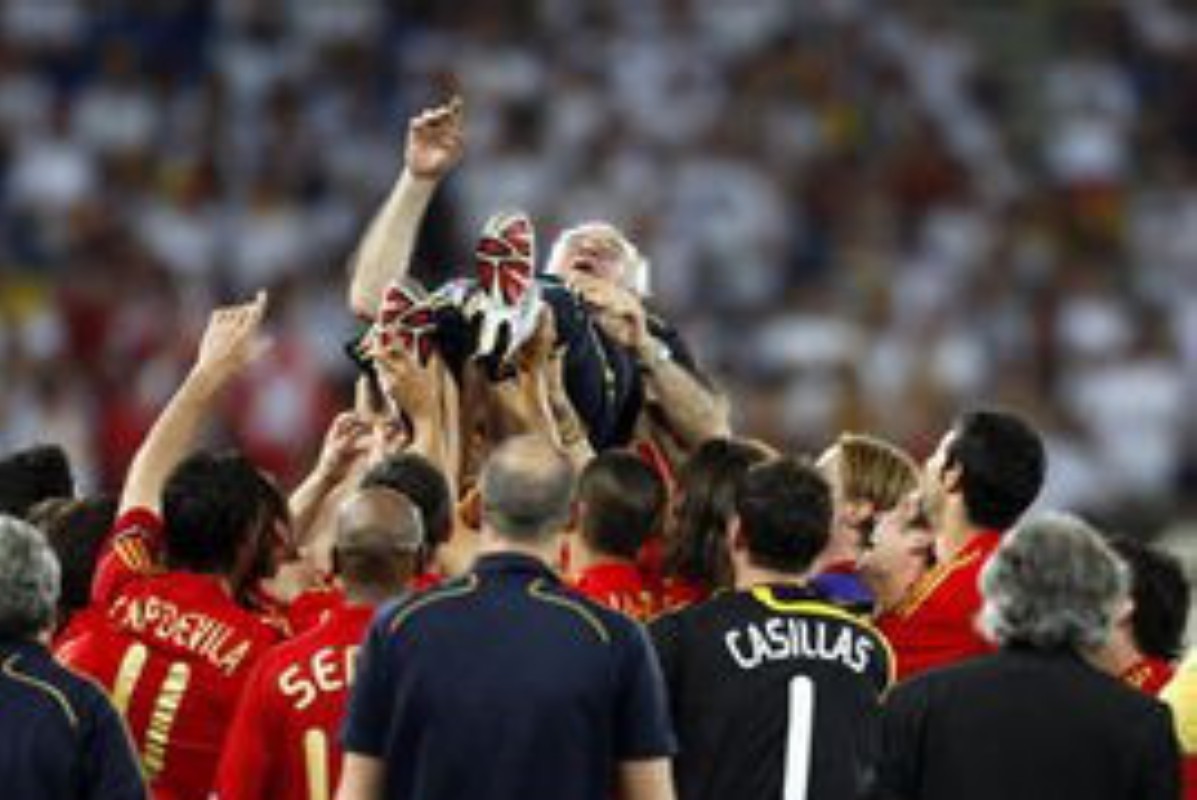
From a technical development standpoint, the two countries have taken different paths. Spanish football is world-renowned for its tiki-taka tactics, emphasizing ball control and passing coordination, while Moroccan football has more integrated the [Spanish football club relations] advantages of African football’s physical confrontation with Europe’s technical finesse. This difference has actually promoted football exchange and learning between the two nations.
| Aspects of Development | Spanish Football | Moroccan Football |
|---|
| Technical Features | Ball control and passing | Combination of physical confrontation and technique |
| League Level | Top in Europe | Leading in Africa |
| Youth Training System | Well-established and mature | Rapid development |
| International Achievements | World Cup Champions | World Cup Round of 16 |
Player Mobility and Talent Exchange
In recent years, player movements between the two countries have become more frequent. Many players of Moroccan descent have chosen to represent the Spanish national team, with examples like Munir El Haddadi showcasing the diverse development trend of modern football. At the same time, numerous Spanish coaches have gone to Morocco to coach, bringing new ideas and methods for local football development.
Economic Cooperation and Commercial Value
Football, as a bridge connecting the two countries, also plays an important role economically. Cooperation projects between Spanish clubs and Moroccan football organizations have continued to increase, including youth academy construction, coach training, and organizing friendly matches. These collaborations not only promote the exchange of football techniques but also create new opportunities for the economic relations between the two countries, as seen in Spanish football team relations.
The football relationship between Morocco and Spain reflects an important trend in modern international football development: moving from simple competition towards win-win cooperation. Through the platform of football, the two countries have deepened cultural understanding and found new sources of motivation for their respective football careers.
