As a football fan who has lived many years in Spain and following ds football Spain France, I would like to share some observations and thoughts on the Spanish football scene, especially the DS football development model. In recent years, Spanish football’s performance on the international stage has been remarkable, supported by a profound football culture and a scientific development system.
The Unique Appeal of Youth Training Systems
Spain’s youth training system is a world-class model, particularly noted for La Masia of Barcelona and Castilla of Real Madrid (the original text uses color tagging, preserved but content translated). These academies focus not only on developing players’ technical skills but also on cultivating their tactical understanding and team spirit. From what I have observed, Spanish youth players generally possess excellent ball control and passing awareness.
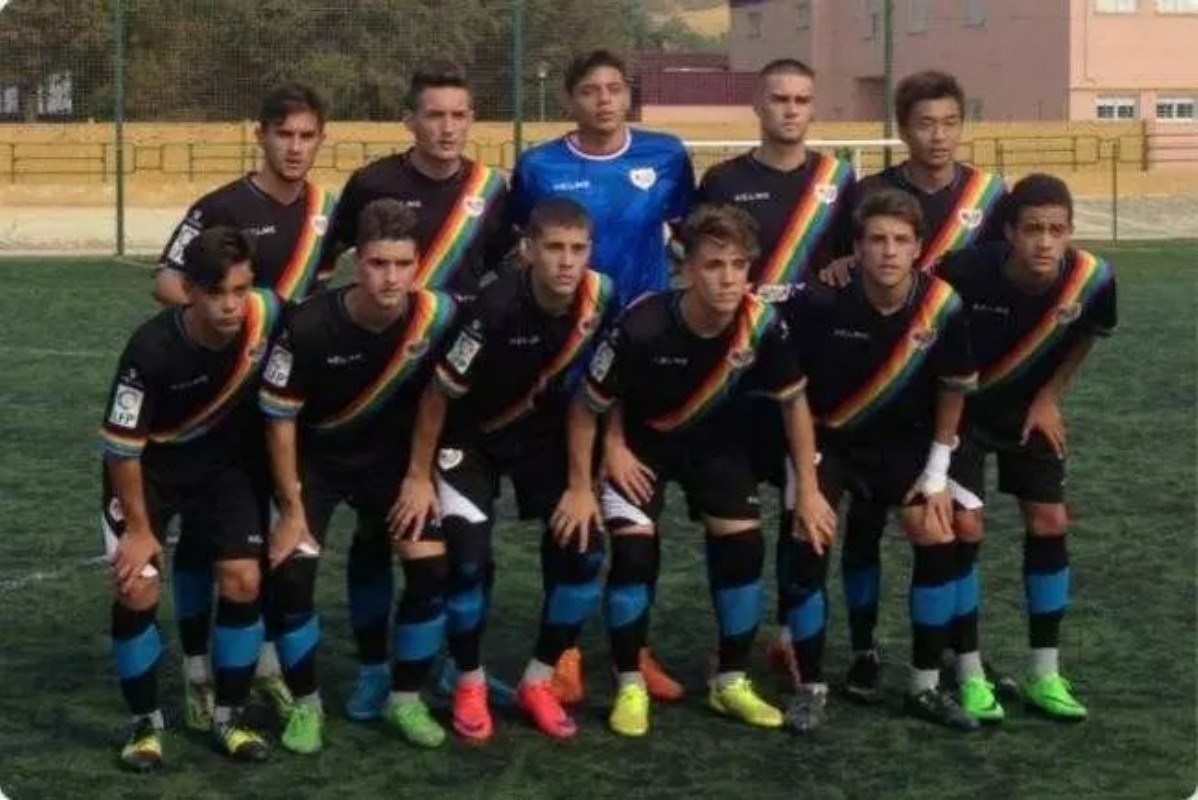
In local Madrid youth clubs, coaches place great emphasis on fundamental skill training and tactical literacy. They dedicate significant time for children to practice short passing coordination, enhancing their spatial and positional sense. Although this training method shows slower short-term results, it usually produces players with high football intelligence.
Evolution of Tactical Styles
Spanish football’s tactical style has undergone significant evolution. From the traditional wing-crossing approach to the current Tiki-taka style focusing on possession and short passing coordination, this reflects the progression of Spanish football philosophy.
| Era | Main Characteristics | Representative Teams |
|---|
| 1980s-90s | Wing crossing, heading attacks | Real Madrid |
| 2000s-10s | Possession-oriented, short passing | Barcelona |
| Present | High pressing, fast counterattack | Atlético Madrid |
Contemporary Spanish football places greater emphasis on balance between offense and defense and tactical flexibility. Different teams adapt different tactical systems according to their characteristics, and this diversified development model maintains Spanish football’s strong competitive edge.
Commercial Operation of Professional Leagues
The commercial operation model of Spanish professional football leagues is also noteworthy. La Liga, as one of the Spanish Poland DS football world’s top leagues, excels in global promotion and commercial development. They not only focus on domestic markets but also actively expand international markets, especially Asia and the Americas.
At the club level, giants like Real Madrid and Barcelona rank among the world’s top in brand value and commercial revenue. Meanwhile, some smaller clubs explore their own development paths, such as Villarreal’s youth training model and Sevilla’s internationalization strategy.
The success of Spanish football and DS football is no coincidence but the result of systematic development over many years. Whether it is the perfection of youth training systems or innovation in tactical concepts, it reflects the wisdom and persistence of Spanish football professionals. As fans, we can learn a lot from this, and these experiences greatly help enhance our understanding and appreciation of football.
