As a Chinese parent living in Spain for many years, I am deeply impressed by the passion children here have for football. Whether in the parks of Madrid or on the beaches of Barcelona, you can always see kids playing football. Today, I want to share my observations on the profound impact of Spanish football culture on children.
Football Education Starting from the Cradle
In Spain, football is not just a sport, but a part of life. My neighbor’s little boy Juan is only 3 years old but already skillfully controls the ball with his feet. His father told me that in Spain, many kids start playing football soon after they learn to walk. Parents generally believe that football helps develop children’s coordination, teamwork spirit, and resilience.
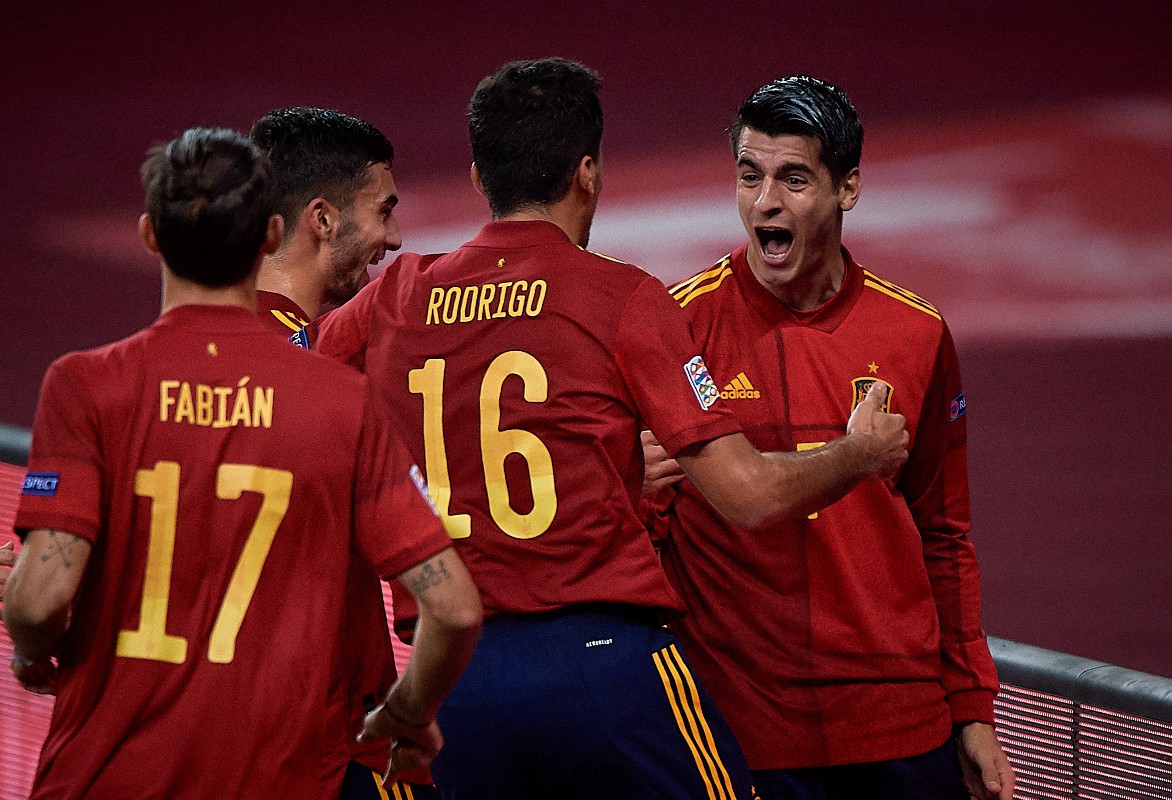
What impresses me most is that here, Spanish kids learning football are not passively receiving training but genuinely love the sport. Every afternoon after school, the community square turns into a football playground for children. They spontaneously organize matches, set rules, and resolve disputes, and this process itself is the best education for growth.
A Comprehensive Youth Training System Supporting Dreams
Spain has one of the most complete youth football training systems in the world. From grassroots community clubs to top academies like Real Madrid and Barça, there is wide development space for kids of all levels.
| Age Group | Training Focus | Match Frequency |
|---|
| 6-8 years | Basic skills, interest cultivation | 1-2 friendly matches per week |
| 9-12 years | Skill improvement, tactical understanding | Weekly official matches |
| 13-16 years | Professional training, psychological quality | League + cup competitions |
| 17-18 years | Professional preparation, academic balance | High-intensity competition |
I learned that even the most ordinary community clubs have professional coaches and scientific training plans. Children not only learn technical moves but, more importantly, how to play a role within a team and how to cope with wins and losses.
Social Values Brought by Football
Football in Spain transcends social classes and is truly a sport for the people. Regardless of family economic conditions, children can participate. I have seen kids from different backgrounds become best friends on the pitch; football serves as a bridge for Spanish kids playing football to overcome social differences.
More importantly, football teaches children important life lessons. Getting back up after failure, the importance of teamwork, respect for opponents and referees—these qualities will accompany them throughout life. Many Spanish parents have told me they do not necessarily expect their children to become professional players but hope football shapes their character and morals.
The Wisdom of Balancing Football and Studies
In Spain, loving football does not mean neglecting academics. On the contrary, the education system balances sports and studies well. Most youth training clubs cooperate with schools to ensure children do not fall behind in academics while pursuing their football dreams.
A Spanish mother I know said it well: “We hope our children learn life attitudes through football. Whatever career they pursue in the future, these qualities will benefit them for life.” This philosophy makes Spain’s football culture exceptionally healthy and sustainable.
Watching these kids sweat on the green field, I deeply feel the tremendous value of sports in children’s growth. Spanish kids’ love for football not only creates countless world-class players but, more importantly, cultivates generations of healthy, confident, and united young people.
