Just after watching a Real Madrid match in Madrid, I suddenly wanted to talk about the development history of Spanish football tactics. As a fan who has lived in Spain for many years and followed the football masters Spain lineup, I have witnessed this country’s stunning transformation from a football desert to world champions.
The Golden Era of Tiki-Taka
When it comes to Spanish football tactics, one cannot ignore the era of tiki-taka that thrilled the whole world. From UEFA Euro 2008 to UEFA Euro 2012, the Spanish national team conquered the world with a previously unseen football philosophy. This tactic was not just simple passing but a revolution in football understanding.
Barcelona, under Guardiola’s period, perfected this tactic, averaging over 700 passes per game and maintaining possession rates often above 70%. Watching Barça play back then was like watching an art performance, with every pass full of intelligence and beauty.
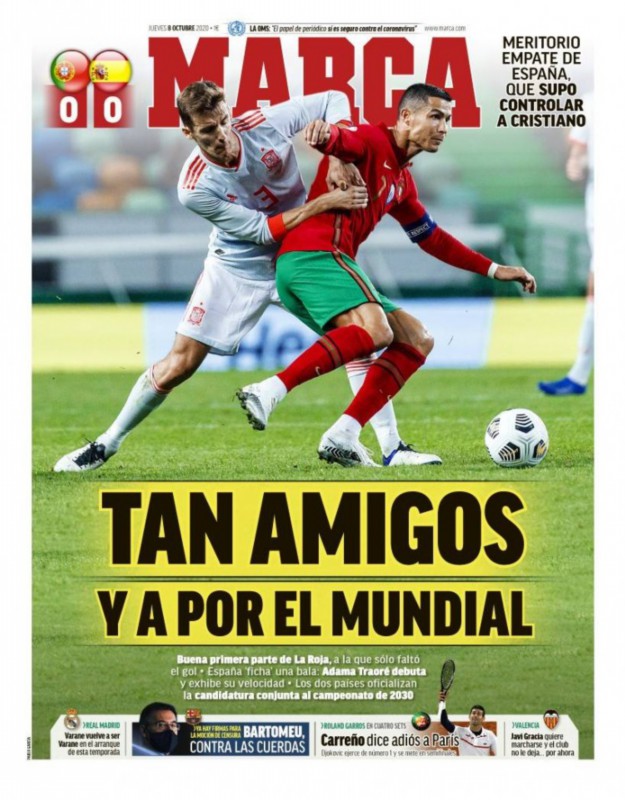
Tactical Diversification in Modern Spanish Football
However, football tactics have never been static. In recent years, Spanish football has gradually moved away from over-reliance on tiki-taka and started embracing a more diversified tactical approach. Luis Enrique’s reforms in the national team are the best example, as he introduced more direct attack and fast counter-attack elements to the football masters Spain team.
Nowadays, the Spanish team no longer blindly pursues possession but adapts their tactics flexibly according to the characteristics of opponents. This change has revitalized Spanish football and given young players more opportunities to showcase their individual skills.
The Wisdom Legacy of Tactical Masters
| Coach | Representative Tactic | Major Achievements |
|---|
| Guardiola | Tiki-Taka 4-3-3 | Barça Sextuple Winners |
| Luis Enrique | Versatile Formations | UEFA Nations League Champion |
| Simeone | Counter-attack Tactics | Atlético Madrid, two-time UEFA Europa League runner-up |
These tactical masters have not only achieved success at club level but, more importantly, have nurtured generations of excellent players and coaches. Their tactical philosophies have deeply rooted themselves in the DNA of Spanish football.
Tactical Development in Youth Training Systems
The success of Spanish football is inseparable from its well-established youth training system. From La Masia to regional football schools, young players receive systematic tactical education from an early age. This tactical development model starting from childhood ensures a continual supply of football talents in Spain.
There used to be claims that Spanish players lacked physicality, but now it is clear that technical skills and tactical awareness can fully compensate for physical disadvantages. Young players like Pedri and Gavi, although not very tall, have astonishing tactical intelligence and football IQ.
