The Gold Standard of Spanish Football Clubs’ Youth Training Systems
As a football enthusiast who has lived in Madrid for eight years, I have had the privilege to closely observe the youth training systems of Spain’s major clubs. Today, I would like to share some insights into Spanish football clubs’ youth development, hoping to be helpful for those interested in youth football development.
Training Philosophy That Prioritizes Technique
Spanish football clubs’ youth training has a distinctive feature: placing great emphasis on basic technical skills from the toddler stage. Whether it is Barcelona’s La Masia or Real Madrid’s academy, they adhere to the principle of “technique first.” I once watched a U12 training session, where over 60 minutes of the 90-minute session were dedicated to various ball control and technical drills.
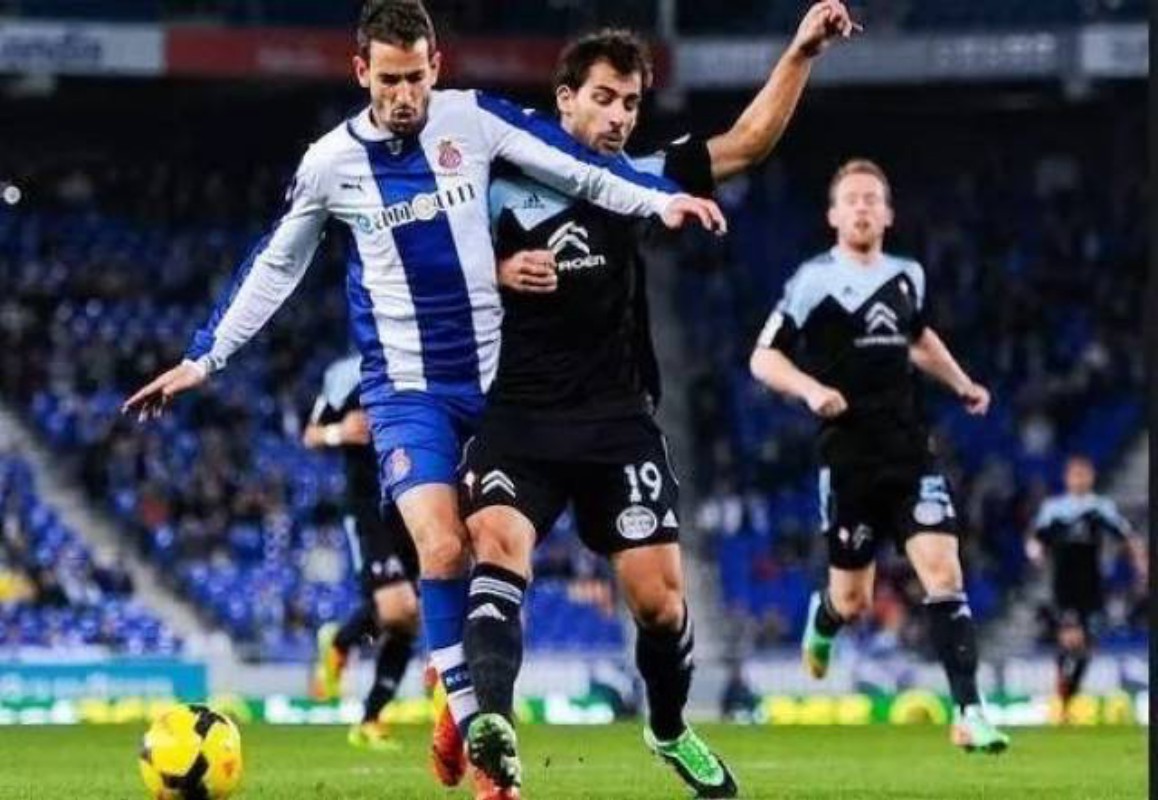
Coaches generally believe that physical strength can be gradually enhanced during growth, but muscle memory for technical movements must be developed during the golden age. This philosophy has produced technically superb players like Xavi, Iniesta, and Pedri.
Key Youth Training Characteristics by Club
While all clubs follow the overall philosophy of Spanish football, each has its own characteristics:
| Club | Main Characteristics | Representative Players |
|---|
| Barcelona | Tiki-taka tactics, emphasizing possession | Messi, Iniesta, Busquets |
| Real Madrid | Balanced focus on technique and physicality | Casillas, Raúl, Carvajal |
| Valencia | Emphasis on speed and counterattack | Villa, Silva, Alba |
| Athletic Bilbao | Physical confrontation and mental toughness | Raúl García, Muniain |
Comprehensive Education System
Youth training in Spanish clubs is not just about developing football skills; it is a holistic education system. For instance, at La Masia, students must complete formal academic courses alongside their football training. The clubs provide dedicated teaching teams to ensure young players pursue their football dreams without neglecting cultural education.
The benefits of this model are clear: even if they do not become professional players, these young people still gain excellent educational backgrounds and life skills. I know a former La Masia student who did not make it into the first team but achieved success in business by leveraging the discipline and teamwork spirit cultivated during youth training.
Mental Health and Character Development
Modern Spanish football clubs increasingly emphasize players’ mental health and character development. Every youth academy has professional psychological counselors to help young players cope with training pressure and competition anxiety. Additionally, clubs regularly organize social welfare activities to teach young players social responsibility.
The old model that focused only on football skills while neglecting character development has been phased out. Spanish youth training now aims to nurture well-rounded talents, which is a key reason why Spain can consistently produce outstanding players.
Lessons for Football Development
Through observing Spanish football training and the training systems of Spanish football clubs, I believe there are several aspects that Chinese football can learn from: firstly, a long-term cultivation philosophy without rushing results; secondly, the importance placed on technical fundamentals; and finally, the organic integration of education and football training.
Every country has different football cultures and social environments, so direct copying is impossible, but Spain’s successful experience does provide valuable references such as affordable Spanish football training. I hope Chinese young players can also demonstrate excellent performances on the international stage through scientific and systematic development.
