Recently, many friends around me have been asking about the profession of football coaching in Spain. As a fan who has lived in Spain for many years, I would like to share some practical information about this industry.
Overview of the Coaching Certificate System
Spain has a well-established football coaching certificate system, mainly divided into several levels. It starts from the most basic supervisor certificate and gradually progresses to the UEFA A license. Each level has clear requirements and purposes, and this tiered system ensures the professionalism of coaches.
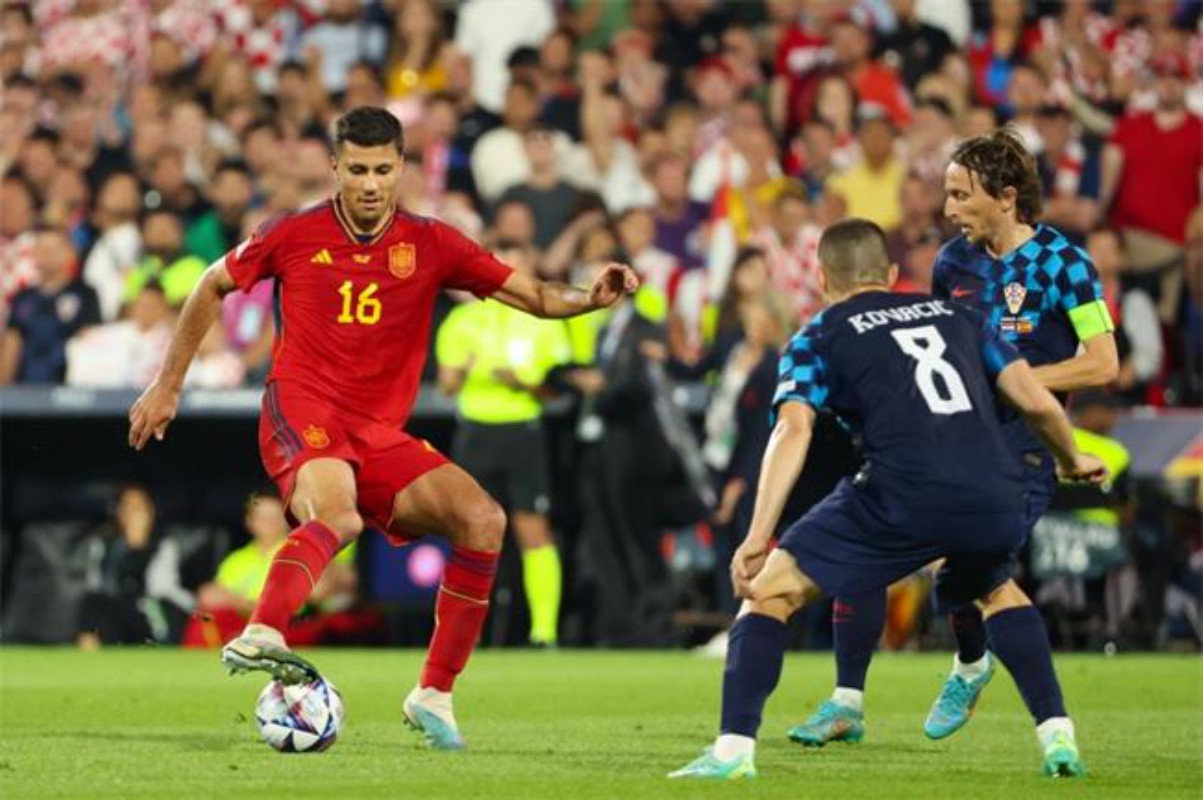
What impressed me the most is that even the most basic certificates require rigorous theoretical and practical assessments. The Spanish Football Federation places great emphasis on coach training, which explains why Spain has produced so many outstanding coaching talents.
Training Costs and Scheduling
Speaking of costs, this is indeed a concern for many. According to what I know about Spanish professional football players, the training costs for certificates vary greatly across different levels. The basic supervisor certificate costs around 200-400 euros, while fees for higher-level certificates increase significantly.
| Certificate Level | Training Cost | Training Duration |
|---|
| Supervisor Certificate | 200-400 euros | 40 hours |
| Regional Coach Certificate | 800-1200 euros | 120 hours |
| National Coach Certificate | 2000-3000 euros | 240 hours |
| UEFA B License | 3500-5000 euros | 300 hours |
The scheduling is usually flexible; many training courses are arranged on weekends or evenings, making it easier for working individuals to attend. However, it is important to note that practical sessions must be completed at designated football pitches.
Employment Prospects and Career Directions
From an employment perspective, the prospects for Spanish football coaches are promising. Besides traditional club coaching positions, there are many other options. Youth football schools, private training, and football summer camps all require numerous coaches.
Many people think that only professional clubs need coaches, but in reality, amateur clubs and community football organizations also provide abundant opportunities. Especially in large cities like Madrid and Barcelona, football-related job openings are relatively more abundant.
Notably, coaches with bilingual abilities are more competitive in the job market. As Spanish football’s international influence continues to grow, many foreign football schools and clubs also seek to hire Spanish coaches.
For friends pursuing a career in Spanish football-related professions who want to enter this field, my advice is to start with the basic certificates, accumulate practical experience, and then consider higher-level certificates. After all, football coaching requires not only theoretical knowledge but also extensive hands-on experience and communication skills with players.
