As a football enthusiast who has lived in Spain for many years, I recently discussed the topic of foreign coach education in Spanish football with several friends. It feels like this field has undergone significant changes, and I want to share with you what I have gathered.
The Core Role of Youth Training Systems
One of the most prominent features of Spanish football education is the high level of development in the youth training system. From what I have observed, football education here is not just about simple technical training but a complete educational system. Famous examples include Barcelona’s La Masia youth academy and Real Madrid’s Castilla team—they not only develop players’ technical abilities but also emphasize tactical understanding and psychological resilience.
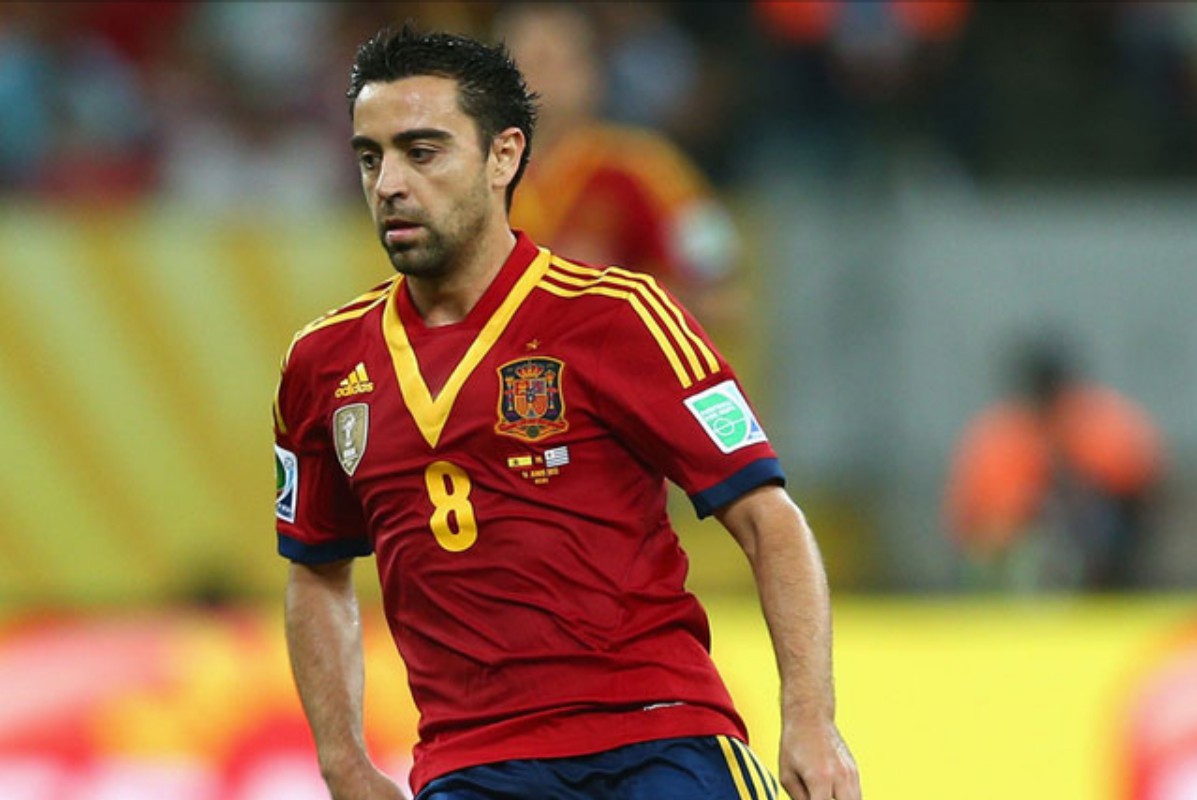
This education model’s success largely owes to the unified standards set by the Spanish Football Federation. Each age group has clear training objectives, with systematic plans starting from age six. A friend’s child I know trains at a local football school, where in addition to technical classes, there are specialized tactical theory lessons every week.
Professionalization of Coaching Certification
When discussing foreign coach education, the Spanish coaching certification system must be mentioned. Coaching licenses here are divided into several levels, from the most basic supervisory certificate to the highest professional coaching license. Here is what I have learned:
| License Level | Training Duration | Applicable Scope |
|---|
| Supervisory License | 40 hours | Basic youth training |
| Basic Coach License | 180 hours | Regional competition guidance |
| Intermediate Coach License | 300 hours | Professional team assistant coach |
| Advanced Coach License | 500 hours | Professional team head coach |
This certification system emphasizes a balance between theory and practice. It requires studying not only football tactics and techniques but also related subjects such as sports psychology, nutrition, and injury prevention. Many foreign coaches choose to advance their studies in Spain precisely because of this comprehensive education system.
Diversified Development of Training Institutions
Aside from traditional football club youth academies, Spain has witnessed the emergence of many professional football education institutions. Some focus on technical training, while others specialize in coach development, creating a multi-layered educational framework.
I visited a football education center in Madrid where their course offerings were quite interesting. Besides the regular technical training found in the Spanish football foreign coach education, they also provide football English courses and tactical analysis courses. This integrated education approach truly helps cultivate more well-rounded football talents.
However, it must be acknowledged that the costs are indeed not cheap. Generally, professional football education programs charge between 200 and 500 euros per month, which can be a financial burden for average families.
International Trends and Challenges
In recent years, Spanish football education has become increasingly international. Many coaches and players come from around the world, and this multicultural integration has indeed injected new vitality. However, challenges such as language barriers and cultural differences arise.
From my observation, successful foreign coaches often share a common trait: they not only grasp the Spanish football philosophy but more importantly, can integrate it with their own local cultures. This ability for cross-cultural integration might be the key to the future development of football education, as highlighted in the Spanish football foreign coach training program.
Spanish football foreign coach education certainly has its unique advantages and characteristics. Although some issues remain, the overall development trend is positive. For those interested in pursuing a career in football education, Spain is definitely worth considering. What are your thoughts on this topic? Feel free to join the discussion!
