The Development of Spanish and Greek Football
As a long-time follower of European football, I would like to share some observations and thoughts about Spanish and Greek football. Although both countries lie along the Mediterranean coast, their football development paths are quite different.
Spanish football entered a true golden era in the early 21st century. From the 2008 European Championship to the 2010 World Cup and the 2012 European Championship, Spain completed an unprecedented treble of titles. This achievement remains unmatched to this day. Meanwhile, Greek football created a miracle at the 2004 European Championship, but overall its development has been steadier, relying more on teamwork and tactical discipline.
Distinct Tactical Styles
Spanish tiki-taka possession football is considered a milestone in modern football. Short passes, ball possession, and patient build-up are core elements of Spanish football’s philosophy. In contrast, Greek football emphasizes defensive solidity and efficient counterattacks, with the Greece-Spain football final at Euro 2004 embodying this pragmatic style best.
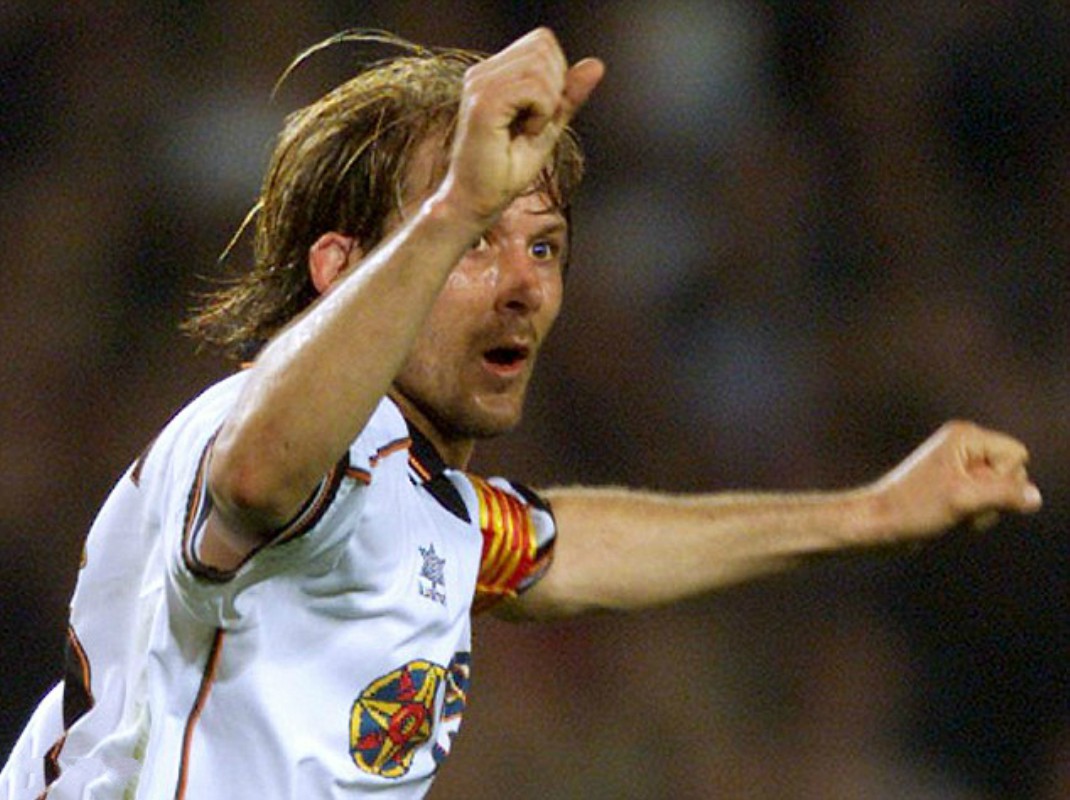
There are also significant differences in youth training systems. Spain’s La Masia and Real Madrid’s youth academies are renowned worldwide, consistently producing highly skilled young players. Greece, meanwhile, relies more on the Greece-Spain football Rubik’s Cube through experience gained in the domestic leagues and other European competitions to develop players.
League Quality and Player Export
In terms of league quality, La Liga is undoubtedly one of the top leagues globally, hosting giants like Real Madrid and Barcelona. The Greek Super League, while less prominent in Europe, boasts clubs like Olympiacos which have performed well in European competitions. [It is noteworthy that both countries have many players competing in overseas leagues.]
| Comparison Item | Spain | Greece |
|---|
| World Cup Titles | 1 | 0 |
| European Championship Titles | 3 | 1 |
| League Ranking | Top 3 in Europe | Mid-level in Europe |
| Youth Training Level | World-class | Moderate in Europe |
Looking ahead, Spanish football is experiencing a transition between generations, with young talents like Pedri and Gavi showing great potential. Although Greek football’s overall strength has declined somewhat, it still maintains a resilient playing style. Both countries have unique characteristics and continue to contribute distinctive charm to world football.
