As a fan living in Spain for many years, I always pay special attention to the performances of Spanish teams whenever the Champions League season starts. After this year’s Champions League group stage draw, seeing the group placements of Spanish giants like Real Madrid, Barcelona, and Atletico Madrid naturally raises high expectations for their prospects.
The Champions League DNA of Spanish Teams
Speaking of the Champions League, Spanish football is undoubtedly a regular and dominant presence in this competition. Real Madrid’s remarkable achievement of winning four consecutive titles from 2014 to 2018 remains a widely celebrated feat. Meanwhile, Barcelona’s brilliant era during Messi’s tenure and Atletico Madrid’s steady performances in recent years both confirm the dominance of Spanish football on the European stage.
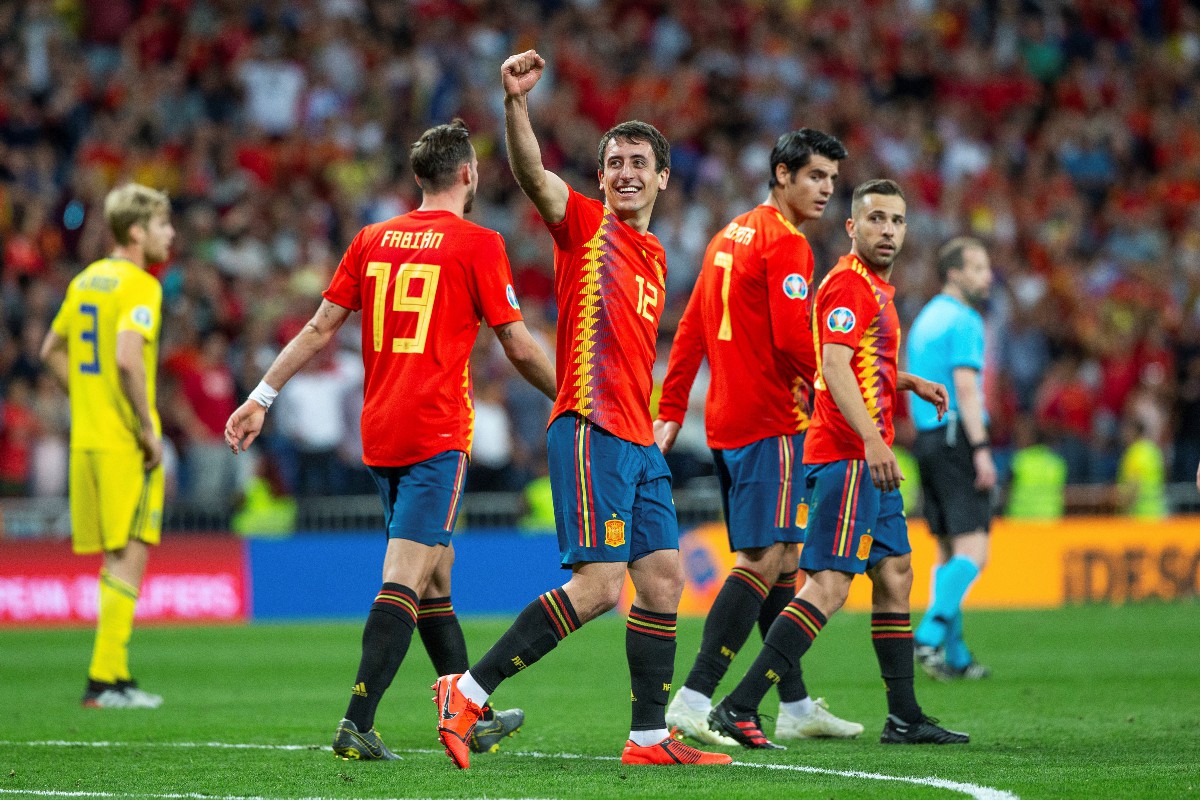
From a tactical viewpoint, Spanish teams generally share these traits: possession-based play, short passing combinations, and high pressing defense. This style often proves highly effective in top-level tournaments like the Champions League, where the subtlety of tactics can determine the match outcome.
Comparative Analysis of Teams’ Strengths
Let’s take a look at the basic stats of the major Spanish football clubs’ Champions League participants through a simple table:
| Team | Champions League Titles | Last 5 Years Performance | Key Players |
|---|
| Real Madrid | 14 | 3 titles | Benzema, Modric |
| Barcelona | 5 | 1 title | Pedri, Gavi |
| Atletico Madrid | 0 | 2 runners-up | Griezmann, Suarez |
From the data, it is clear that Real Madrid remains the most dominant team, Barcelona is currently in a rebuilding phase, and Atletico Madrid is striving for a breakthrough. Although Villarreal performed well last year, overall, Spanish football’s Champions League competitiveness mainly relies on these three traditional powerhouses.
This Season’s Outlook
Real Madrid: As the live football Champions League Spain defending champions, Real Madrid boasts top-level squad depth and experience. Coach Ancelotti’s expertise combined with the team’s Champions League heritage makes them a strong contender.
Barcelona: Xavi’s arrival has injected fresh energy into the squad, and the rapid development of young players brings hope. Although financial challenges remain, there have been clear improvements tactically.
Atletico Madrid: Simeone’s counter-attacking defensive tactics have always been effective in the Champions League, with the team’s resilience and experience as their biggest assets.
From my personal observation, the success of Spanish teams in the Champions League relies not just on individual talent but more on team coordination and tactical execution. Whether it’s the Galácticos of Real Madrid, the possession football of Barcelona, or Atletico’s ironclad defense, all represent different facets of Spanish football. Hopefully, this year’s Champions League will once again witness the brilliance of Spanish football!
