As the highest governing body of Spanish football, the Royal Spanish Football Federation has been an indispensable core organization in this football kingdom since its founding in 1909. Today, let’s talk about the past and present of this institution.
Historical Evolution and Development Process
The Royal Spanish Football Federation was established on September 29, 1909, initially named the Spanish Football Federation. In 1913, it received royal patronage from King Alfonso XIII and was officially renamed the Royal Football Federation. After more than a century of development, the organization has become one of the most influential football governing bodies in Europe.
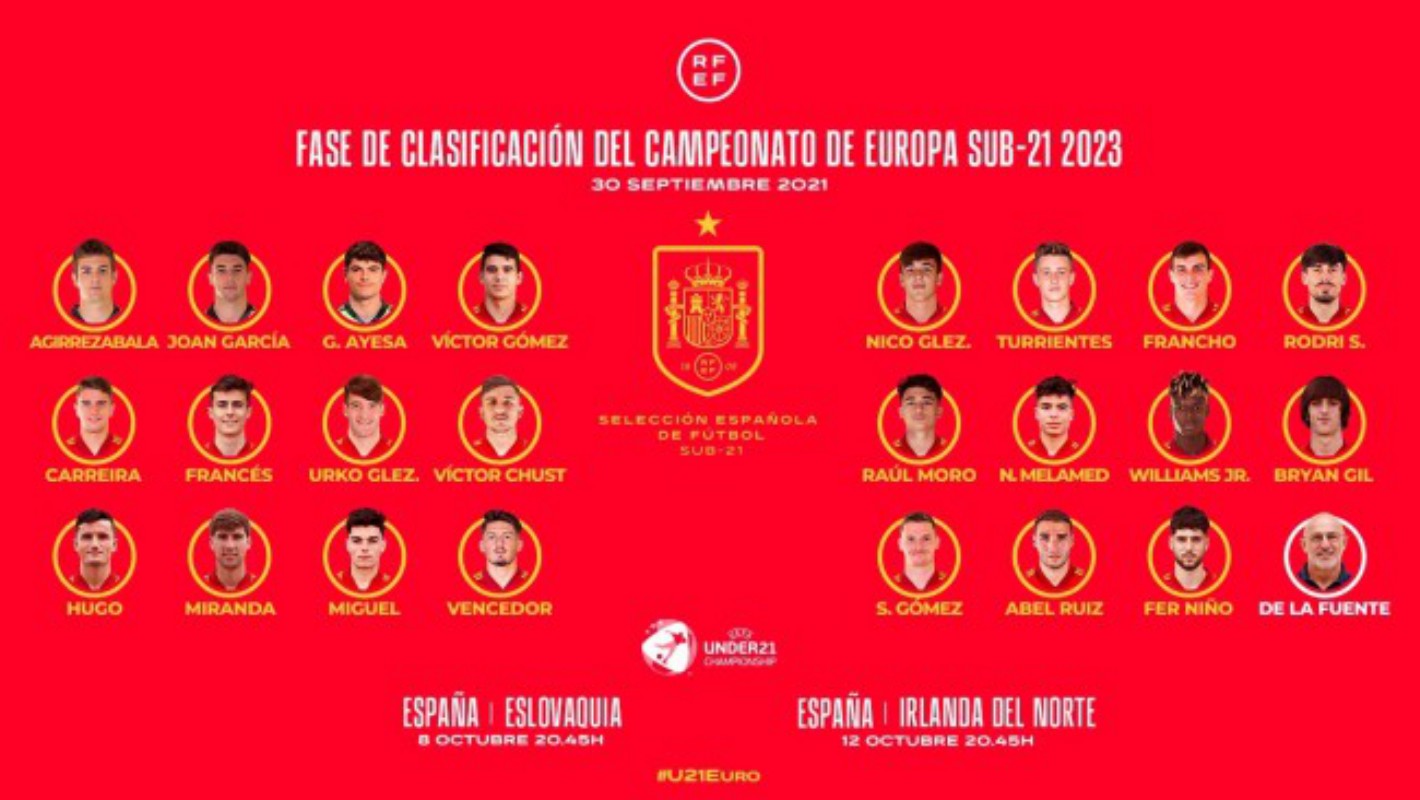
The federation headquarters are located in Las Rozas Football City, Madrid, which serves not only as the management center but also as the training base for the Spanish national team. From the politicized management during the Franco era to modern professional operations, RFEF has witnessed the complete journey of Spanish football from obscurity to global dominance.
Organizational Structure and Functional Divisions
RFEF’s organizational structure is quite complex, mainly including the following levels:
| Level | Main Responsibilities |
|---|
| National Committee | Formulating football development policies and plans |
| Regional Associations | Managing football affairs in respective autonomous communities |
| Provincial Associations | Responsible for club registration management within provinces |
| Local Associations | Organizing amateur and youth competitions |
The main functions of the federation include organizing leagues at all levels, managing national team affairs, setting technical standards, and training referees and coaches. Of particular note is that RFEF is also responsible for promoting women’s football in Spain and has made considerable efforts in gender equality in recent years.
Modern Reforms and Challenges
In recent years, RFEF has faced unprecedented modernization pressures. Topics such as digital transformation, financial transparency, and gender equality have become challenges the federation must address. Since Luis Rubiales was elected president in 2018, multiple reform measures have been introduced, including increasing the proportion of women in management and improving grassroots football facilities.
The traditional paternalistic management model is being replaced by more professional and transparent governance structures. The federation has begun aligning more closely with UEFA and FIFA’s modern governance standards, as seen in the Spanish Football Federation subsidy standards. This alignment is undoubtedly a positive signal for the long-term development of Spanish football, also reflected in the details on how much subsidy the Spanish Football Federation provides.
Profound Impact on Spanish Football
RFEF’s management concepts directly influence the direction of Spanish football development. From the establishment of youth training systems to the formation of tactical styles, from the standardization of professional leagues to participation in international competitions, every decision by the federation helps shape the future of Spanish football.
The golden era of the Spanish national team between 2008 and 2012 was precisely the result of close cooperation between RFEF, La Liga, and major clubs. This unified development philosophy and technical approach brought unprecedented success to Spanish football.
