As a football fan who has lived in Spain for many years, today I want to share with you the official numbering system in Spanish football. This topic might intrigue many, especially Chinese friends newly arrived in Spain.
La Liga Numbering Rules
La Liga has clear official regulations regarding player numbers. According to the Spanish Football Federation, players can use numbers 1-25 in the league. Numbers 1-11 are usually assigned to the starting lineup, while 12-25 are for substitutes. It is important to note that number 1 must be worn by the goalkeeper, and number 10 is usually reserved for the team’s key player.
Traditional Numbers of Top Clubs
Real Madrid and Barcelona, as the official signal of the Spanish football league, are the most representative clubs in Spain and have their own numbering traditions. Real Madrid’s number 7 has long symbolized the right winger, worn by legends like Raúl and Cristiano Ronaldo. Barcelona’s number 10 is even more legendary, worn by icons such as Maradona and Messi, carrying countless honors.
| Club | Classic Number | Representative Players |
|---|
| Real Madrid | Number 7 | Cristiano Ronaldo, Raúl, Figo |
| Barcelona | Number 10 | Messi, Maradona |
| Atlético Madrid | Number 8 | Koke, Saúl |
| Sevilla | Number 10 | Rakitić, Navas |
Spain National Team Number Allocation
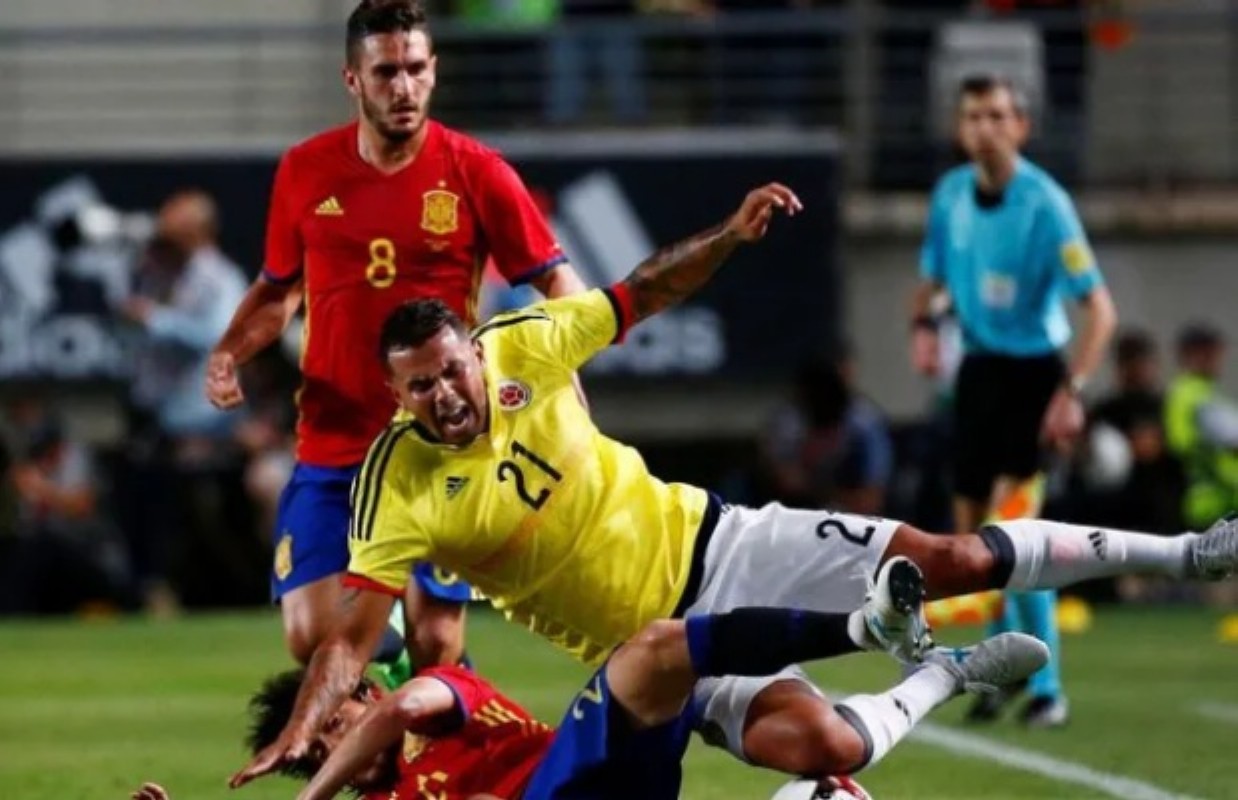
The number allocation for the Spain national team is relatively flexible but follows certain patterns. Goalkeepers usually wear numbers 1, 12, or 23, while captains often choose numbers with symbolic meaning. For example, Sergio Ramos wore number 15 for a long time, while Busquets favored number 5.
In major tournaments like the European Championship and World Cup, the Spanish Football Federation assigns numbers based on players’ club performances and national team status. The old era of strictly assigning numbers according to positions has passed; nowadays, more consideration is given to players’ personal preferences and commercial value.
For official Spanish football live broadcasts, Chinese fans living in Spain can better integrate into the local football culture by understanding the stories behind these numbers. It also helps you sound more professional when talking football with Spanish friends. Next time you watch a match, try paying attention to the meanings behind these numbers!
