As a football fan who has lived in Spain for many years and frequently gets asked about Spanish football jersey numbers, today I want to share some insights on this topic that I hope will be helpful to those who love Spanish football.
Traditional Number Allocation Rules
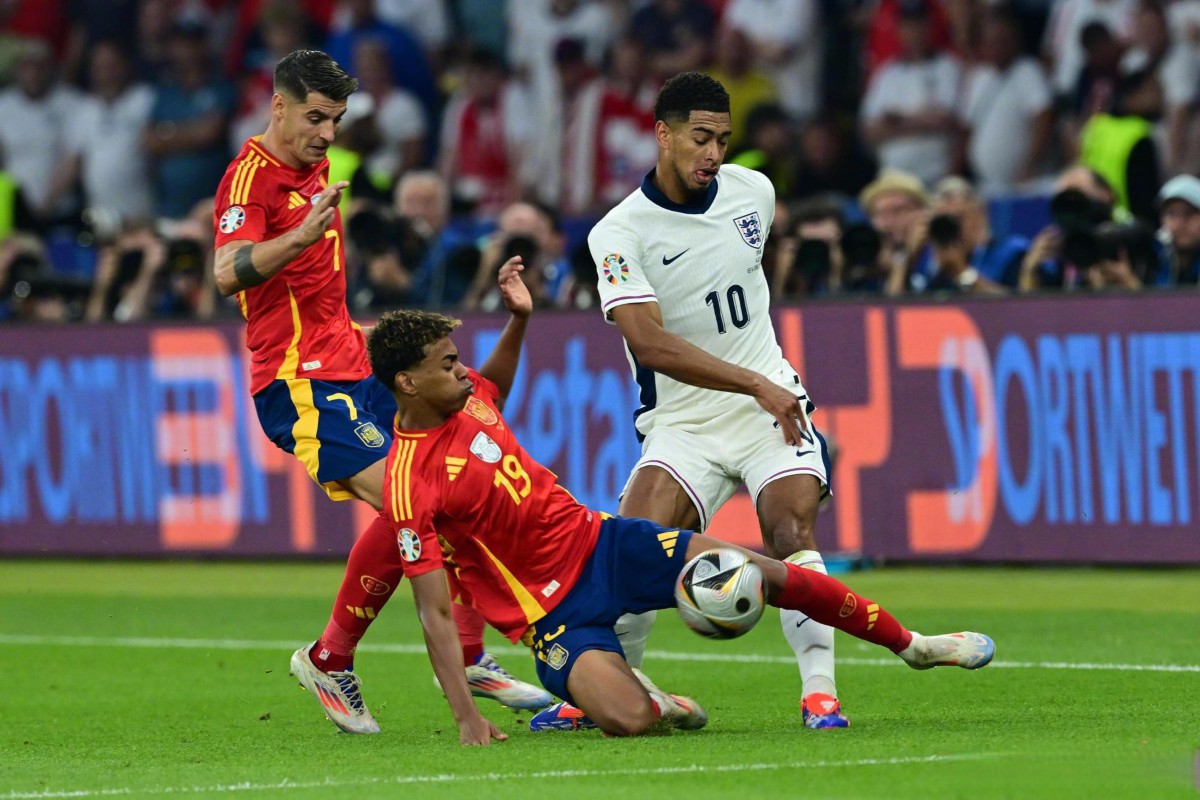
The numbering system in Spanish football actually has deep-rooted traditions. In top clubs like Real Madrid and Barcelona, numbers 1-11 are usually assigned to the starting lineup, a tradition dating back decades. Number 1 is for the goalkeeper, numbers 2-5 for defenders, 6-8 for midfielders, and 9-11 for forwards, representing the classic lineup. However, with the evolution of football tactics, these rules have become less strict.
Real Madrid Number Tradition
Real Madrid’s number 7 is legendary; from Raúl to Cristiano Ronaldo, every player wearing this number has left an unforgettable legacy. Number 10 usually goes to the team’s key playmaker, such as Modrić. Interestingly, Real Madrid’s number 9 is often considered a “cursed number” because many forwards wearing it have not met expectations.
| Number | Position | Representative Players |
|---|
| 1 | Goalkeeper | Casillas |
| 7 | Winger | Cristiano Ronaldo, Raúl |
| 10 | Midfielder | Modrić |
| 14 | Midfielder | Casemiro |
Barcelona’s Number Culture
Barcelona’s number allocation places more emphasis on heritage and symbolism. The departure of Messi left the number 10 vacant for a long time before it was recently reassigned. The combination of number 6 Xavi and number 8 Iniesta dominated world football for over a decade, and these numbers hold special significance among Barcelona fans.
National Team Number Rules
The Spanish national team follows a relatively pragmatic approach when assigning numbers, usually based on players’ club status and importance in the national squad. The old idea that national team numbers are assigned strictly by position is actually inaccurate. For example, Ramos has long worn number 15 and Busquets number 16, which are not traditional defender or midfielder numbers.
It is worth noting that each level of Spanish leagues has its own numbering regulations, e.g., La Liga restricts players to numbers 1-25, while some lower divisions allow larger numbers. For us fans, understanding the Spanish football jersey number chart not only increases the enjoyment of watching games but also helps better understand the cultural traditions in Spanish football.
I hope this article is helpful, and feel free to share other Spanish football number stories you know in the comments section!
