Analysis of Spain’s Strongest Football Formations
As a football fan who has lived in Spain for five years, I want to share some impressive formations in the history of Spanish football. From the glorious period between 2008 and 2012, Spain left the world with many classic moments, and these successes were inseparable from exquisite tactical setups.
Classic 4-6-0 False Nine Formation
During the 2010 World Cup and 2012 European Championship period, Spain was most famous for this seemingly crazy 4-6-0 formation. Many people at the time could not understand why the traditional center forward was abandoned, but the formation’s power was proven. The six midfielders each had clear roles: Xavi and Iniesta orchestrated play, Silva and Fàbregas roamed in the advanced midfield positions, Busquets provided defensive cover, and Alonso handled long-range distribution.
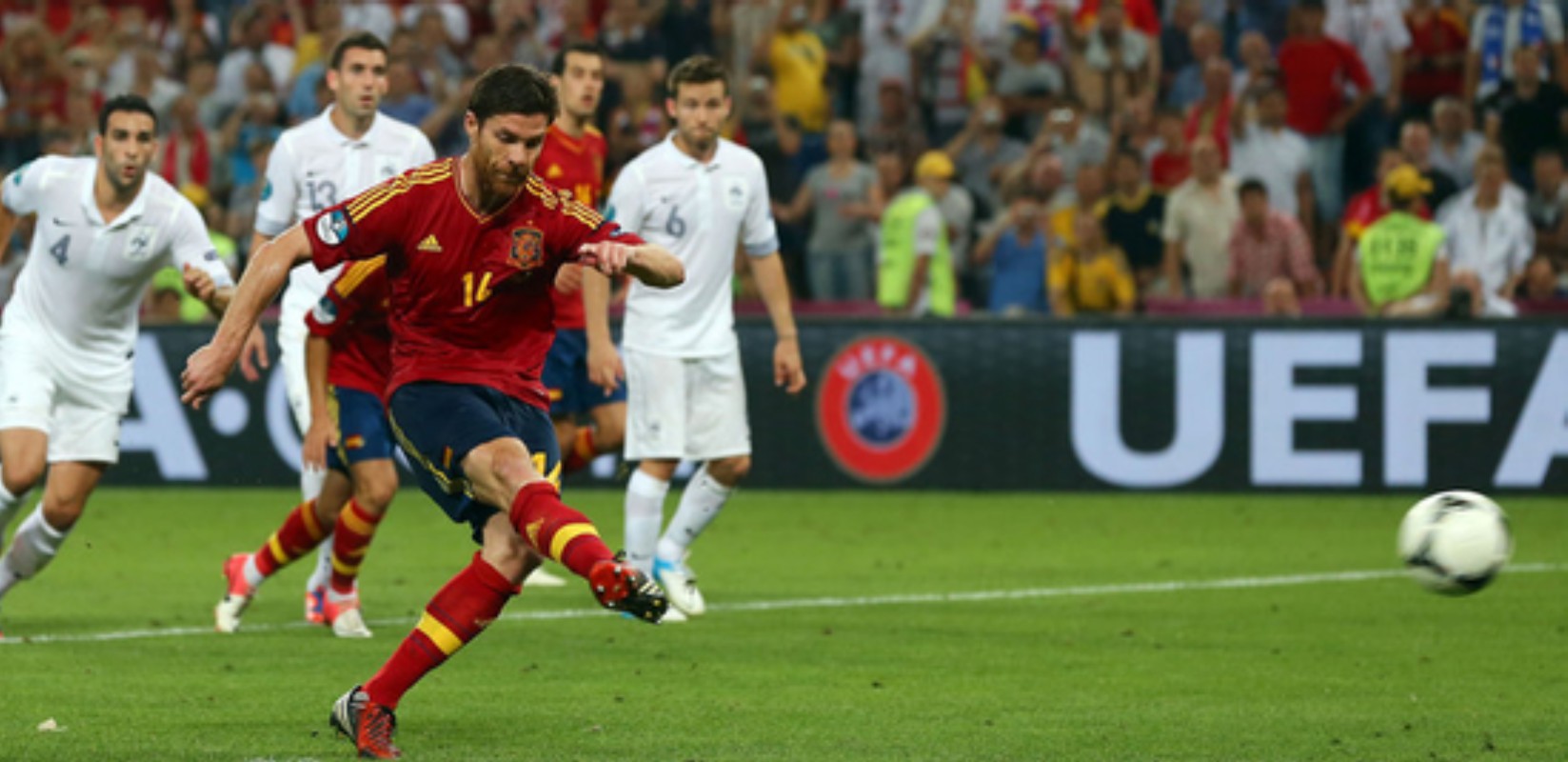
The core idea of this formation was to tear open the opponent’s defense through off-the-ball movement and passing coordination, rather than relying on individual dribbling breakthroughs. At that time, Spain’s possession rate often exceeded 70%, making it very difficult for opponents to win the ball, let alone organize effective counterattacks.
Return to Traditional 4-3-3 Formation
As the players aged and football trends evolved, Spain started to return to a more traditional 4-3-3 formation after the 2014 World Cup. This change was mainly because there was a need for more direct threats and scoring points with the Spanish 4-2-3-1 formation. The modern Spain team reinstated the center forward position, with players like Morata and Olmo able to perform in that role.
| Position | 2010 Squad | Modern Squad |
|---|
| Goalkeeper | Casillas | Unai Simón |
| Center Backs | Ramos/Piqué | Laporte/Torres |
| Midfield Core | Xavi/Iniesta | Pedri/Gavi |
| Forwards | No fixed striker | Morata/Olmo |
This return does not mean abandoning the tiki-taka philosophy but rather adding more variety while maintaining possession dominance. The younger generation such as Pedri and Gavi inherited the passing genes of their predecessors while bringing more aggressiveness and forward movement awareness in Spanish football formations.
Football Philosophy Behind the Formations
The success of Spanish football is not merely the result of formation choices but more importantly the football philosophy behind them. From the La Masia youth academy, Spanish players have been instilled with the idea that “football is played with the brain.” The core of both the 4-6-0 and 4-3-3 formations is to control the game’s rhythm through precise passing and positioning, a style that has become a hallmark of Spanish football.
