As a football fan who has lived in Spain for many years, I want to share what I believe is the greatest highlight of Spanish football. While many might immediately think of the glorious records of Real Madrid or Barcelona, I feel the true charm of Spanish football goes far beyond that.
The Artistic Expression of Possession Football
What impresses most about Spanish football is its fluid like flowing water possession style. From Guardiola’s era at Barcelona to the national team’s tiki-taka, Spaniards have turned football into an art form. It’s not just simple ball control but precise short passing combinations that tear through opponents’ defenses. Watching the Spanish team play, you realize they can execute breathtaking combinations in tight spaces.
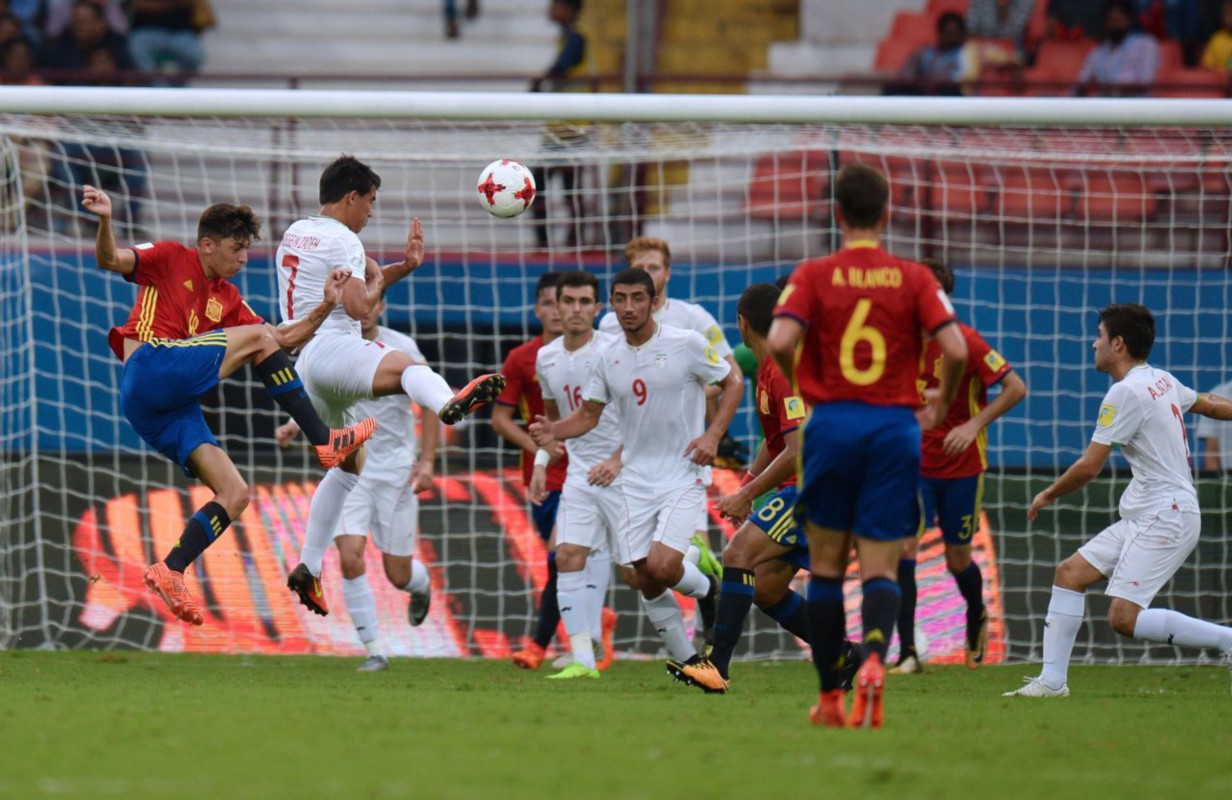
This style is deeply rooted in Spain’s football technical foundation. From a young age, Spanish football education emphasizes technical details and tactical understanding, which explains why Spanish players generally have excellent skills.
A Successful Model of Youth Development
The La Masia youth academy can be called a legend in world football. It has produced world-class stars such as Messi, Iniesta, and Xavi. But more importantly, La Masia not only represents Barcelona’s youth training philosophy but also reflects Spain’s overall emphasis on nurturing young players.
| Famous Academy | Representative Players | Characteristics |
|---|
| La Masia | Messi, Iniesta | Technical finesse, tactical literacy |
| Real Madrid Youth | Casillas, Raul | Comprehensive development, competitive mindset |
| Athletic Bilbao Academy | Raul Garcia, Munian | Local-focused, team spirit |
Spanish youth training doesn’t just teach skills; it focuses heavily on developing players’ football intelligence and creativity. This educational approach enables Spanish players to always find suitable solutions under complex situations.
Diversity in Club Culture
Another highlight of Spanish football is how each club has its distinctive identity. Real Madrid’s Galácticos embody aristocratic prestige, Barcelona reflects Catalan cultural identity, Atlético Madrid showcases working-class resilience, and Sevilla keeps Andalusian passion alive.
Each club is more than just a team; it is a symbol of local culture and identity. This deep cultural foundation fills Spanish football with stories and emotional colors, which also leads to a very high level of fan loyalty.
Vanguard of Tactical Innovation
From Cruyff’s total football ideology to Guardiola’s possession revolution and Simeone’s modern counter-attack tactics, Spain has always been an important hub for tactical innovation. Spanish coaches have succeeded not only at home but also globally, with outstanding performances across major leagues.
The success of these coaches proves the advanced nature of Spanish football philosophy. They are never satisfied with traditional styles but constantly seek new tactical breakthroughs. This innovative spirit is also a key reason why Spanish football remains competitive.
As someone who has personally experienced the culture of Spanish football and considered Spain football’s greatest nemesis, I believe the greatest highlight of Spanish football is its ability to perfectly integrate technique, culture, passion, and innovation. This is more than just a sport; it is a lifestyle and cultural expression. I hope through my sharing, everyone can better understand and appreciate the unique charm of Spanish football.
