Recently, while wandering near Puerta del Sol in Madrid, I was deeply impressed by a group of young people performing football tricks. They weren’t playing on a formal pitch but showcasing dazzling skills on narrow streets. This reminded me of the unique street football culture in Spain, so today I’d like to discuss this topic.
The Unique Charm of Street Football in Spain
In Spain, football is not just a sport; it’s a way of life. Walking through any city street, you will see children playing football in squares, alleys, and even parking lots. This free-spirited football culture perfectly blends with the passionate character of Spaniards, creating a unique street football scene.
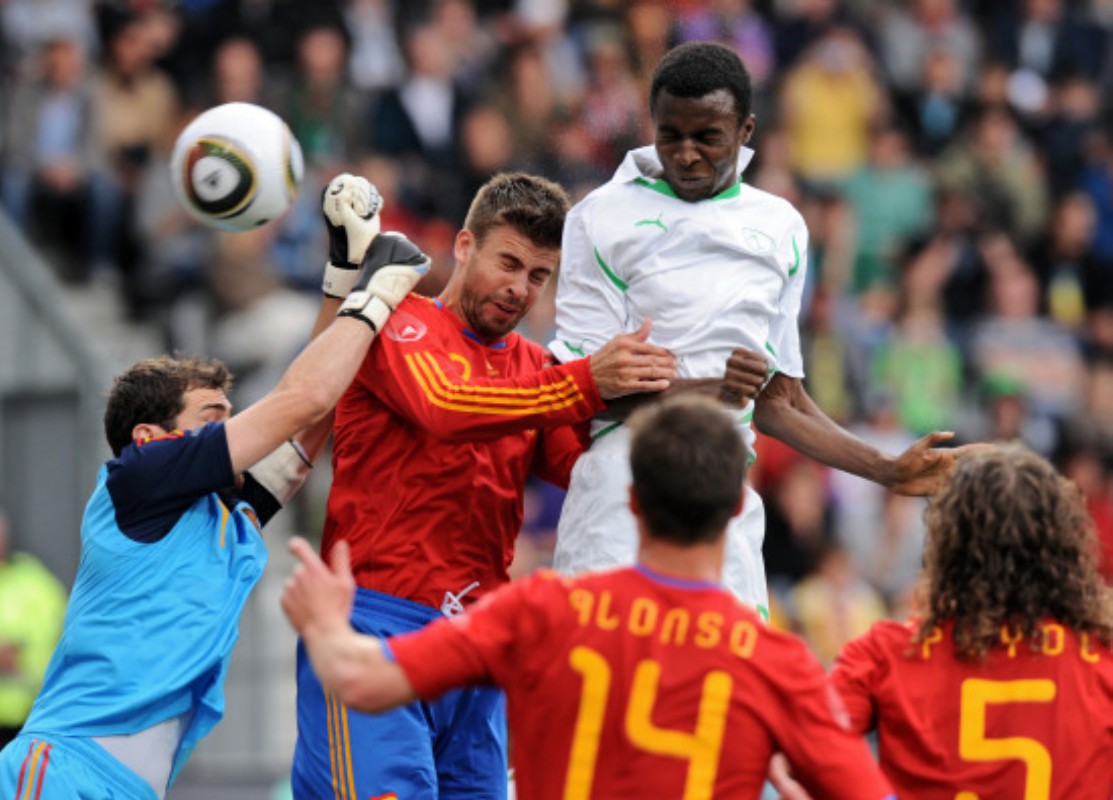
Unlike the more structured football training in other countries, Spanish street football emphasizes creativity and individual skills. I often see highly skilled youngsters performing various freestyle moves in tight spaces: rainbow flicks, Marseille turns, no-look toe touches, each move filled with artistic expression.
Street Football Characteristics Across Major Cities
Each city in Spain has its own distinctive street football style. I have compiled a simple comparison table from the Spanish Street Football Test Match:
| City | Style Focus | Popular Spots |
|---|
| Madrid | Technical play, focus on skills | Puerta del Sol, Retiro Park |
| Barcelona | Possession style, team play | Beach areas, Gothic Quarter |
| Seville | Passionate, exaggerated moves | Plaza de España, Old Town |
| Valencia | Fast-paced, dynamic rhythm | City of Arts and Sciences area |
On the beaches of Barcelona, I’ve seen groups keep the ball airborne with foot juggles for half an hour, accompanied by the Mediterranean breeze—it’s an amazing feeling. In Seville, street football resembles a performing art, with every move echoing the rhythm of flamenco dance.
Equipment and Techniques for Street Football
Choosing the right gear is essential to excel on the streets. Most Spanish street football enthusiasts prefer lightweight football shoes, especially those with thin soles for better ball touch. The ball choice is also important—they usually pick slightly softer balls, which feel better on hard surfaces.
Regarding techniques, I’ve summarized some of the most popular freestyle moves in Spanish street football: Though they may look simple, mastering them requires extensive practice. For example, the “Sombrero” move is especially popular on Madrid streets, where a player uses the instep to flick the ball over an opponent’s head and bypasses them from the side.
Cultural Impact and Social Significance
Street football in Spain is more than just entertainment; it carries important social functions. In economically disadvantaged communities, street football becomes a vital platform for young people to socialize and express themselves. I’ve witnessed in Madrid’s Lavapiés district how young people from diverse backgrounds build friendships through the Spanish Street Football Match Name Explained, breaking social class barriers.
This culture also profoundly influences professional Spanish football development. Many famous players started from street football; for instance, Iniesta once said many of his skills were learned during childhood street games. This free and innovative environment fostered Spain’s unique technical style and tactical thinking in football.
