Having lived in Madrid for three years, many of my friends work in football-related industries. Today, I want to share the real situation of football professionals in Spain. As a football powerhouse, this country’s football industry indeed offers plenty of Spanish football club personnel job opportunities.
Situation of Football Coaches
Spain has a large number of football coaches, from youth academy coaches to professional team coaches, forming a complete hierarchical system. From what I understand, coaches holding the UEFA B license earn a monthly salary of about 1500-3000 euros at community clubs, while those with UEFA A or Pro licenses earn more. Many coaches work part-time at multiple clubs to obtain more stable income.
Living Conditions of Professional Players
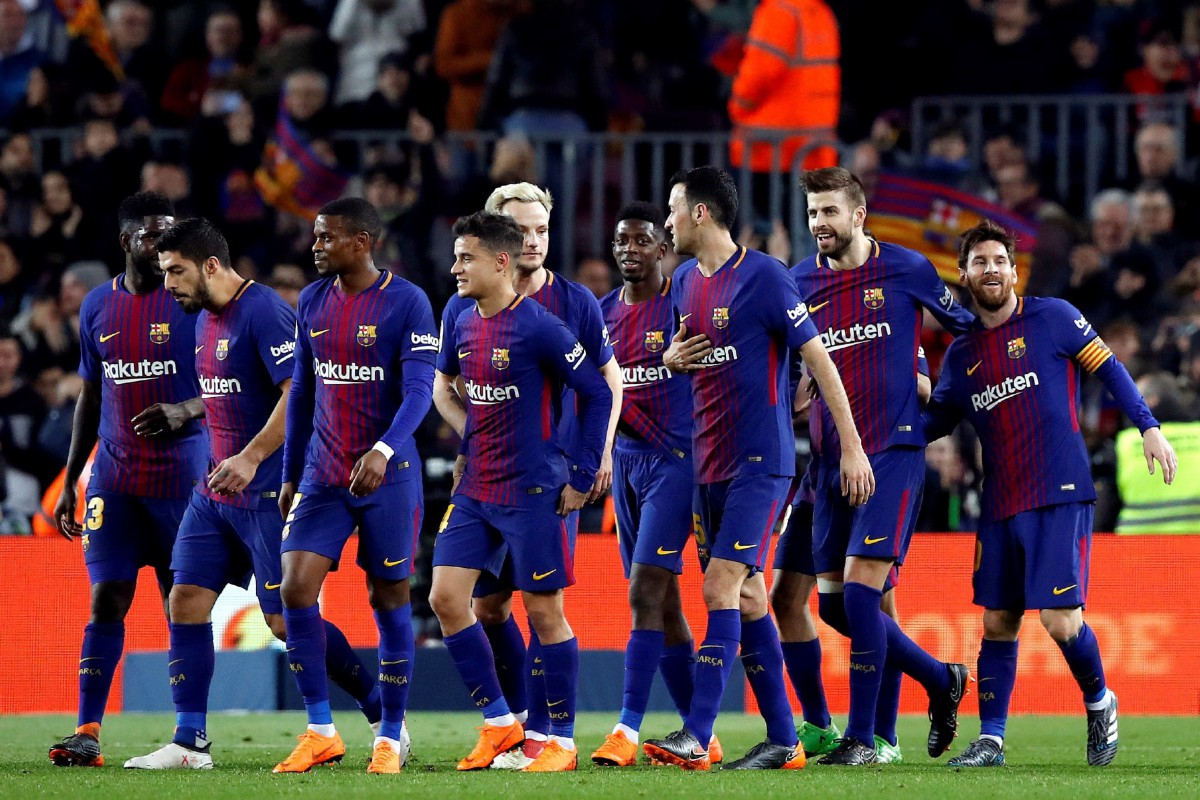
Income disparity among professional players is significant. Top La Liga players can earn millions of euros per year, but most players have limited earnings. The average annual salary of Segunda División players ranges from 50,000 to 150,000 euros, while players in lower-tier leagues may only earn 20,000 to 50,000 euros. Many players obtain coaching certificates before retiring to prepare for career transition.
| League Level | Average Annual Salary Range | Career Prospects |
|---|
| La Liga | 500,000-5,000,000 euros | Excellent |
| Segunda División | 50,000-150,000 euros | Good |
| Segunda División B | 20,000-80,000 euros | Average |
| Regional Leagues | 10,000-30,000 euros | Poor |
Employment Opportunities in Football-Related Industries
Besides players and coaches, the Spanish football industry also provides many other job opportunities. Positions such as fitness coaches, physiotherapists, data analysts, media professionals, and event operations staff are in high demand. A friend of mine works at a sports marketing company in Barcelona, mainly responsible for player agency services, earning a monthly salary between 2500 and 4000 euros.
Pathways for Foreigners to Enter the Spanish Football Industry
For foreigners who want to develop in the Spanish football industry, obtaining relevant certifications is crucial. UEFA coaching licenses and professional certificates recognized by the Spanish Football Federation are essential. Language skills are also critical; one should have at least a B2 level in Spanish to work normally within clubs. It is recommended to start as a youth coach or assistant coach to gain experience and build networks.
