In recent months, the dynamics of foreign players in Spanish football have been truly dazzling. As a longtime follower of Spanish football, I would like to share some of the latest trends and changes I have observed.
Latin American Players Steadily Become Mainstream
Starting from this summer’s transfer window, Latin American players, especially those from Argentina and Brazil, have become increasingly prominent across all levels of Spanish leagues. It is not just the traditional giants like Real Madrid and Barcelona making signings; even some Segunda División and Segunda División B teams have begun focusing on the Latin American market. The reason behind this phenomenon is simple: cost-effectiveness and technical traits that fit the Spanish football style.
For example, Getafe recently signed an Argentine winger for just 2 million euros, but his performance in the first few rounds has already attracted considerable attention. Such cases can be found across all league levels.
Distribution of Foreign Players by League Level
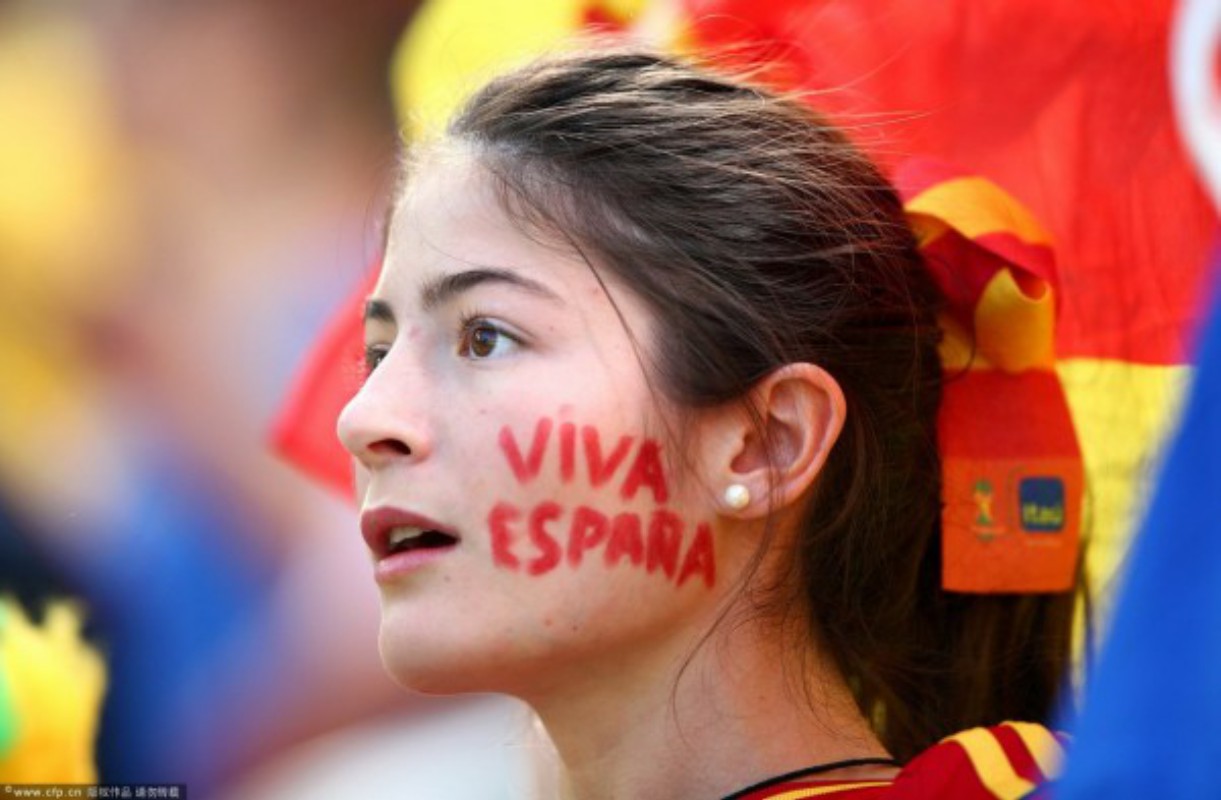
According to the data I gathered from Spanish football foreign players, the distribution of foreign players across Spanish leagues shows distinct regional characteristics:
| League Level | Latin American Players % | African Players % | Asian Players % |
|---|
| La Liga | 35% | 28% | 12% |
| Segunda División | 42% | 31% | 8% |
| Segunda División B | 38% | 35% | 5% |
This table reveals that the traditionally dominant European player presence is changing, with Latin American and African players holding significant shares at all levels.
Asian Players Show Increasing Promise
Particularly noteworthy is the performance of Asian players in Spain. They have moved beyond mere commercial appeal to genuinely establishing themselves on merit. Take Takefusa Kubo of Real Sociedad, who has become an indispensable member of the team. Additionally, some South Korean and Japanese players competing in the Segunda División have earned praise from local media for their professionalism and technical skills.
Impact of Transfer Policy Adjustments
Recent minor adjustments by the Spanish Football Federation to foreign player policies also deserve attention. Though the framework remains largely the same, some eased regulations—especially the simplified process for Latin American players obtaining EU passports—have directly fueled this wave of foreign recruitment. Many clubs are now more actively scouting young and promising talent in the Latin American market.
The foreign player landscape in Spanish football is undergoing an interesting transition. Diversity, youth, and technical ability have become the new keywords. As fans, we can now enjoy a broader range of football styles at all competition levels, undoubtedly making Spanish football more exciting. What are your thoughts on these changes? Feel free to leave a comment below!
