How Strong Are Germany and Spain in Football: An In-Depth Comparison of Two Football Powerhouses
As two traditional giants in how strong is Spanish football European football, Germany and Spain have always attracted great attention for their football strength. After watching several recent matches, I felt like discussing just how strong these two nations really are. From historical achievements to current performances, both teams possess admirable strength.
Historical Honors Comparison
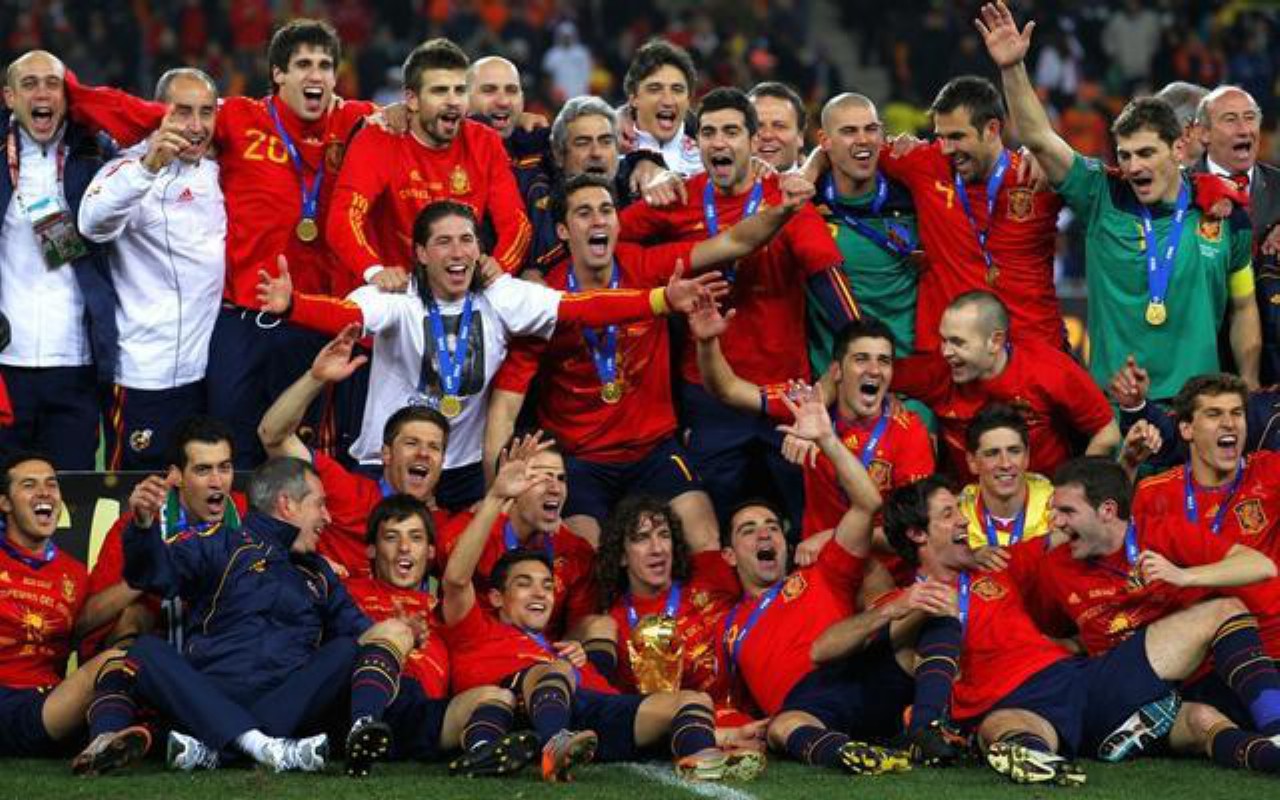
Let’s first take a look at the historical records of the two countries. German football’s strength is indisputable, with 4 World Cup titles and 3 European Championship trophies that speak volumes. While Spain started later, their recent performances have also been impressive, with 1 World Cup title and 3 European Championships. Especially during the golden period from 2008 to 2012, Spain’s possession-based football was nearly unbeatable.
Tactical Style Analysis
The two countries have distinctly different football styles, which is part of their respective allure. German football is known for its rigorous pragmatism, emphasizing team coordination and tactical discipline, with players showing excellent physical strength and mental toughness. Whether it’s the classic 4-4-2 formation or the modern 4-3-3, the German team always finds the most effective tactical approach.
Spanish football, on the other hand, focuses more on technique and possession. The tiki-taka possession style once swept the world. Short passing, off-the-ball movement, and high possession rates are hallmarks of Spanish football. While the current Spanish team has introduced more variation to its possession-based style, the technically refined characteristics remain.
Youth Training Systems Comparison
| Country | Youth Training Characteristics | Representative Academy | Development Philosophy |
|---|
| Germany | Systematic Training | Bayern Youth Academy | Comprehensive Development |
| Spain | Technique-Oriented | La Masia Academy | Creativity Cultivation |
Both countries have very mature youth training systems. After the painful defeat at the 2000 World Cup, Germany reformed its youth development extensively, establishing a perfect talent development mechanism. Today, Germany produces a large number of outstanding players every year, closely linked to their scientific training methods and well-established league system.
Spain’s youth training is represented by Barcelona’s La Masia Academy, emphasizing technical skills and creativity. Although La Masia’s output has declined somewhat in recent years, Spain’s overall youth training level remains among the world’s best.
Current Strength Assessment
Looking at recent years, both teams are undergoing generational transitions. Germany’s early elimination at the 2018 World Cup was surprising, but their subsequent performances in the UEFA Nations League demonstrated their ability to adjust. The current German team features rising stars like Havertz and Wirtz, making the future still promising.
Spain’s performance in the 2021 European Championship semifinals showed hope, with the emergence of young talents such as Pedri and Gavi injecting fresh energy. Although the lack of a top-class striker remains an issue, their overall strength is still formidable.
Germany and Spain are both top teams in world football, each with unique characteristics and strengths. Germany’s rigorous pragmatism and Spain’s technical finesse represent different modern football development paths. Who will go further in international tournaments remains to be seen with time.
