The Multicultural Landscape of Spanish Football
As someone who has lived in Madrid for five years, I am deeply moved by the inclusiveness of Spanish football. Whenever I watch matches of Real Madrid or Barça, I can truly feel the charm of this sport transcending racial boundaries. Today, I want to talk about the diverse composition of Spanish football teams and the social phenomena reflected behind Spanish representative football players.
Facts and Figures: The Racial Composition of Spanish Football
According to the latest statistics, about 30% of players in La Liga come from abroad, with a large portion being African and South American players. These numbers reflect Spain’s openness and inclusiveness.
| Player Origin | Percentage | Representative Players |
|---|
| Spain Domestic | 70% | Iniesta, Ramos |
| South America | 15% | Messi, Suárez |
| Africa | 10% | Dembélé, Umtiti |
| Other Regions | 5% | Modrić, Bale |
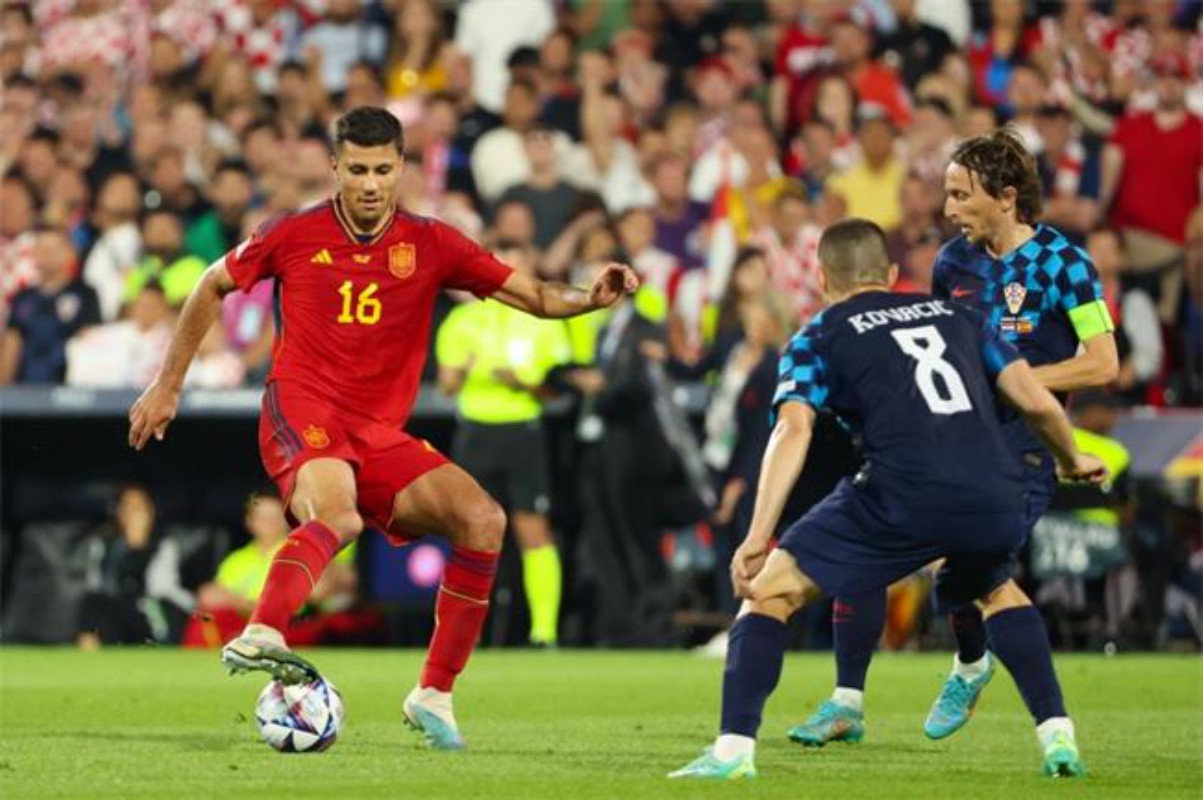
Contributions of Immigrant Players
It is undeniable that immigrant players bring new vitality to Spanish football representatives. Brazilian players like Vinícius not only demonstrate excellent skills but also integrate South American creativity into Spain’s tactical system. This cultural fusion makes Spanish football more entertaining and competitive.
From a youth training perspective, many African players have grown up in Spain’s youth academies, preserving their physical gifts while adopting Spanish technical and tactical styles. This perfect combination has produced many world-class stars.
Football Promotes Social Integration
There is no racial discrimination on the football field, only a thirst for victory. This saying is well embodied in Spain. Over the years I have observed, Spanish fans treat players of different skin colors equally—once you wear the club jersey, you are our hero.
Occasionally, there are some discordant voices, but overall, the Spanish football community has done well in fighting racism. League organizers impose strict penalties for discriminatory behavior, and players support each other in standing against such prejudice.
Looking Ahead
With the deepening of globalization, I believe Spanish football will become even more diverse. This is not only necessary for the development of football but is also a reflection of social progress. The younger generation in Spain grows up in multicultural environments, showing greater acceptance of different races.
The old view that football should maintain “pure bloodlines” is outdated. Modern football demands the best talent regardless of origin. Whoever contributes to the team deserves opportunities and respect. This is true sportsmanship and a source of pride for Spanish society.
