Spain’s UEFA Nations League Path: Tradition Meets Innovation
Lately, I’ve been following the UEFA Nations League schedule closely. As a devoted fan of UEFA Nations League Spain football, I must say this competition has truly brought us many surprises. Since the UEFA Nations League was established in 2018, Spain’s performance has been remarkable. Although they haven’t clinched the title like in the World Cup, their overall strength remains formidable.
Review of Historical Performance
Spain has consistently maintained a high level of performance in the UEFA Nations League. In the inaugural season, the team reached the semifinals and demonstrated impressive tactical and technical skills. The 2020-21 season was historic as they won the UEFA Nations League title, marking a perfect debut for a new generation of Spanish football.
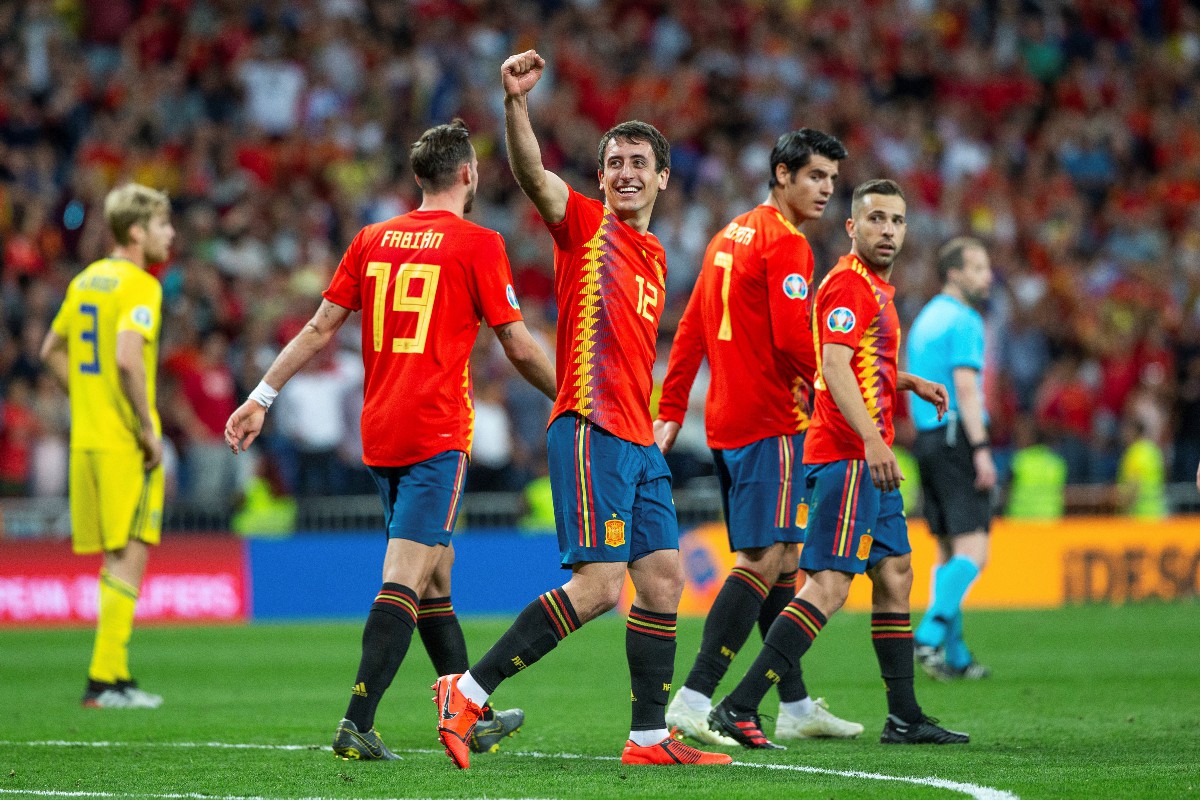
Data shows Spain’s win rate in the UEFA Nations League exceeds 70%, which is an excellent record among Europe’s top teams. Especially when playing at home, the team often displays a stronger competitive edge.
Tactical Style and Squad Analysis
Under Enrique’s era, Spain has continued its traditional possession-based play, but with notable improvements in speed and directness. The current squad is structured as follows:
| Position | Key Players | Characteristics |
|---|
| Goalkeeper | Simón | Quick reactions, decisive interventions |
| Defense | Laporte, Pau Torres | Accurate passing, solid defense |
| Midfield | Pedri, Gavi | Young and energetic, technically versatile |
| Forwards | Morata, Ferran Torres | Fast pace, strong finishing ability |
This lineup’s average age is relatively low, representing the future direction of Spanish football. The younger players have been given ample opportunities to develop on the UEFA Nations League stage.
Analysis of Technical and Tactical Features
Spain’s tactical features in the UEFA Nations League show strengths in several areas. Firstly, their possession remains outstanding, maintaining an average ball possession rate above 65%. Secondly, passing accuracy has significantly improved, especially the success rate of penetration passes in the final third.
There used to be criticism that Spain only played sideways passes, but the current team has made great strides in tempo variation and vertical breakthroughs. This change is particularly evident in matches against traditional strongholds like Italy and Germany.
Future Outlook and Challenges
Looking ahead to future UEFA Nations League competitions, Spain faces a mix of opportunities and challenges. On the positive side, young players are maturing and the tactical system is becoming more refined. However, the team must also contend with stiff competition from other European powerhouses such as France and Italy.
In my opinion, Spain needs to build on its traditional strengths while continuing to enhance its attacking capabilities and mental toughness. After all, as a relatively new competition, each UEFA Nations League participation is a valuable experience-building opportunity. We hope to see more exciting matches in the future, anticipating Spanish football’s return to its peak.
