I just finished watching a La Liga match and was once again amazed by the brilliance of Spanish football. As a fan who has lived in Spain for many years, I want to share why Spanish football holds such a significant position on the world stage.
Youth Training System: The Cradle of Football Talent
The success of Spanish football is no accident; its comprehensive youth training system has played a crucial role. From Barcelona’s La Masia to Real Madrid’s Castilla, these academies are not only places to develop players’ skills but also the cradle of football philosophy. Here, children start receiving professional football education from the age of 8, learning not only technical skills but, more importantly, developing an understanding of the game and tactical awareness.
Tactical Style: The Art of Possession Football
When it comes to Spanish football, its unique tactical style cannot be overlooked. Possession football has become the hallmark playing style of Spain. This approach emphasizes short passes, ball control, and patient organized attacks, wearing down opponents under intense pressing.
From 2008 to 2012, the Spanish national team won the European Championship, World Cup, and European Championship consecutively—an unprecedented achievement in football history. Their success proved the significance of technical football in the modern game.
League Level and International Influence
La Liga, as one of the Great Spanish Football Coaches world’s top five leagues, ranks among the highest in both competitive level and commercial value globally. Below are recent performances of La Liga clubs in European competitions:
| Season | Champions League Winner | Europa League Winner |
|---|
| 2019-20 | None | Sevilla |
| 2020-21 | None | Villarreal |
| 2021-22 | Real Madrid | None |
| 2022-23 | None | Sevilla |
This data, from the Great Spanish Football Stars, clearly demonstrates Spain’s dominant position in European and world football. Although challenges have arisen in recent years, the overall strength remains formidable.
The Rich Heritage of Football Culture
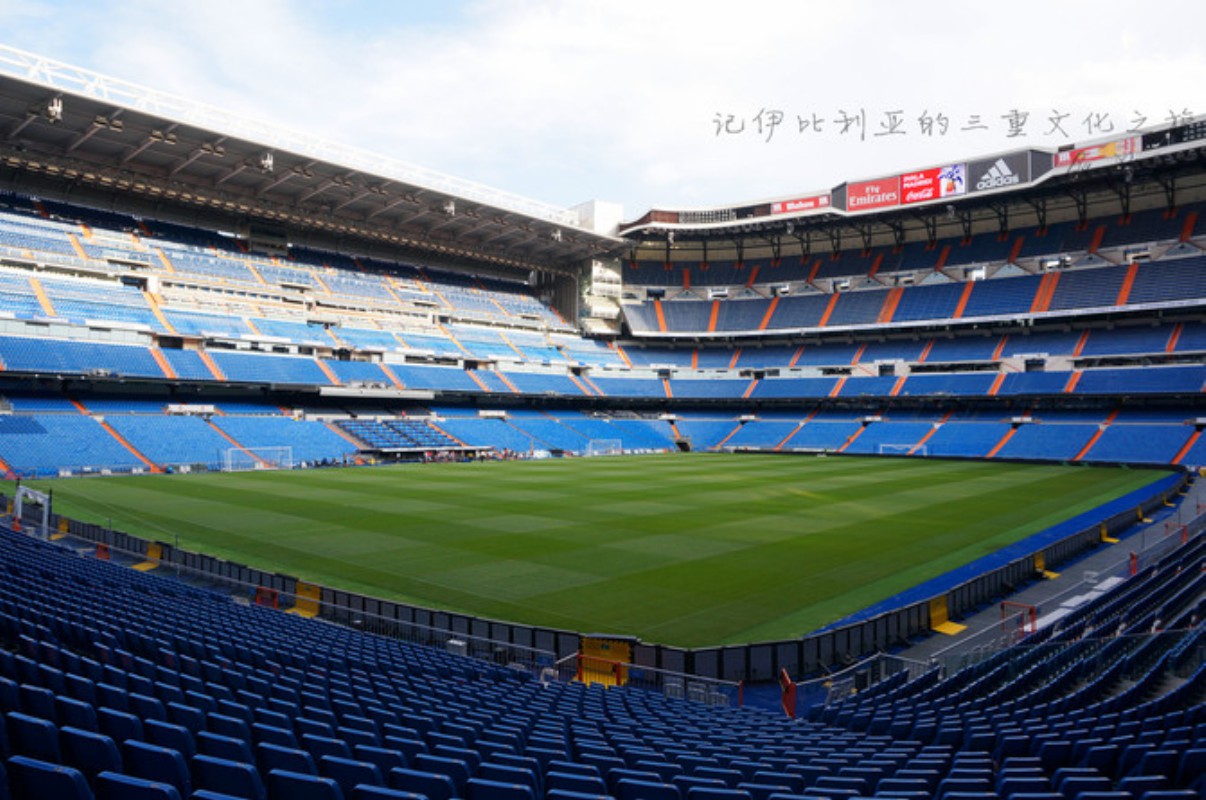
Spain’s football culture runs deep. Whether it’s Barcelona’s Camp Nou or Real Madrid’s Santiago Bernabéu, these iconic stadiums embody countless fans’ dreams and emotions. On match days, entire cities immerse themselves in football atmosphere, and this widespread participation provides fertile ground for football’s development in Spain.
When I lived in Madrid, I often felt this strong football passion. Children played football on every street corner, and lively debates about last night’s game filled the bars. This love for football is deeply ingrained in the Spanish people.
Future Outlook
Though Spanish football currently faces new challenges such as nurturing young talent and tactical innovations, I believe that with its profound football heritage and well-established youth training system, its future remains bright. The new generation of players like Ansu Fati and Gavi has already shown great potential—they are the hope for Spanish football’s continued glory.
