Current State of Spanish Football Talent: A Comprehensive Analysis from Youth Training Systems to Top Leagues
As a football enthusiast living in Spain for many years, I want to share some thoughts about the current situation of football talent in Spain. In recent years, I’ve noticed many friends discussing whether Spanish football can maintain its position among the world’s elite, especially after the golden era of 2010-2012.
The Traditional Giants’ Youth Academies Remain Strong
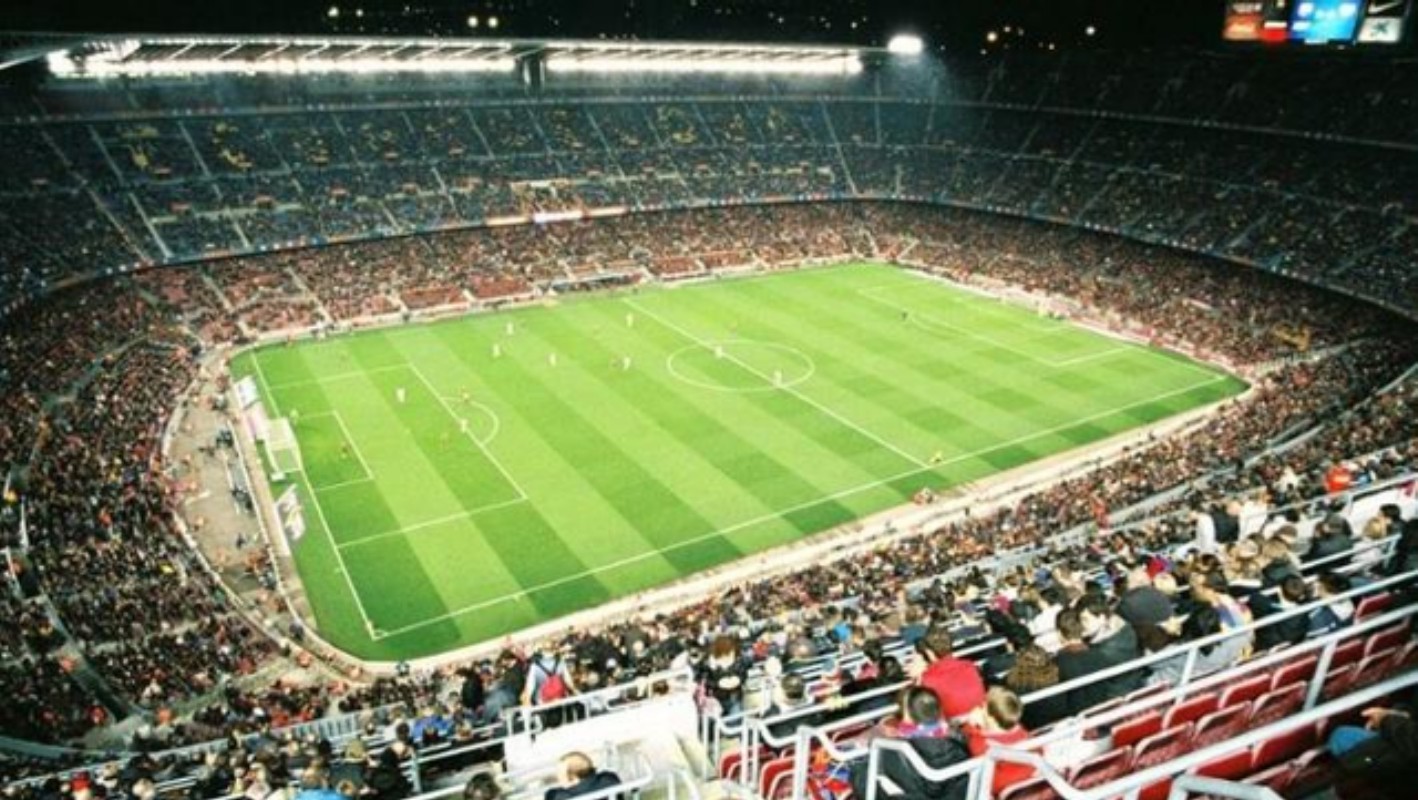
Barcelona’s La Masia youth academy and Real Madrid’s Castilla remain talent factories in world football. Young players like Pedri and Gavi demonstrate the ongoing vitality of Spain’s youth training system. I often visit the training grounds near Camp Nou, where many kids aged 12-16 receive professional training with solid technical foundations.
But to be honest, the competition nowadays is much fiercer. There are several talented youths competing for every position, which is both beneficial and challenging for player development. Many local friends tell me that it has become increasingly difficult for their children to enter these top youth academies.
Talent Development Models of Small and Mid-Sized Clubs
Beyond Real Madrid and Barcelona, clubs like Athletic Bilbao, Sevilla, and Villarreal have their own unique approaches to talent cultivation. Athletic Bilbao maintains its policy of only using Basque players, which limits their recruitment scope but allows them to focus more on discovering and nurturing local talents.
| Club | Youth Development Focus | Notable Players |
|---|
| Athletic Bilbao | Basque local players | Nico Williams |
| Sevilla | Technically skilled midfielders | Brahim Diaz |
| Villarreal | Comprehensive development | Pau Torres |
| Valencia | Speedy wingers | Ferran Torres |
Inheritance and Innovation of Technical Characteristics
Spain’s traditional strengths—precise passing and outstanding ball skills—are well inherited by the new generation. However, I’ve also noticed that today’s young players show significant improvements in physical confrontation and speed compared to the previous generation.
Players like Ansu Fati and Ferran Torres maintain Spain’s technical traditions while possessing the physical qualities required in modern football. The old training models focusing only on technique without physicality are outdated; current youth systems emphasize all-around development.
Challenges and Opportunities
Spanish football talent cultivation also faces some challenges. The most obvious is international competition; many young players from South America and Africa enter Spanish clubs through various channels, putting considerable pressure on local players.
Young players today tend to be more impatient, with many hoping to become stars quickly, lacking the patience to gradually refine their skills. Several youth coaches I know have mentioned this issue, saying it is harder than before to nurture players and that more psychological support for Spanish football talent is needed.
From a positive perspective, the overall environment of Spanish football is still excellent. High league levels, advanced coaching philosophies, and well-developed infrastructure provide a fertile ground for talent development. I believe in the coming years, we will see more outstanding young Spanish players shining on the world stage.
