Spanish Football: Reflecting on the Journey from Peak to Decline
As a fan who has lived in Spain for many years, I must say watching La Roja’s performance over the years is both lovable and frustrating. The excitement of winning the 2010 World Cup is still vivid, but now every major tournament causes jitters.
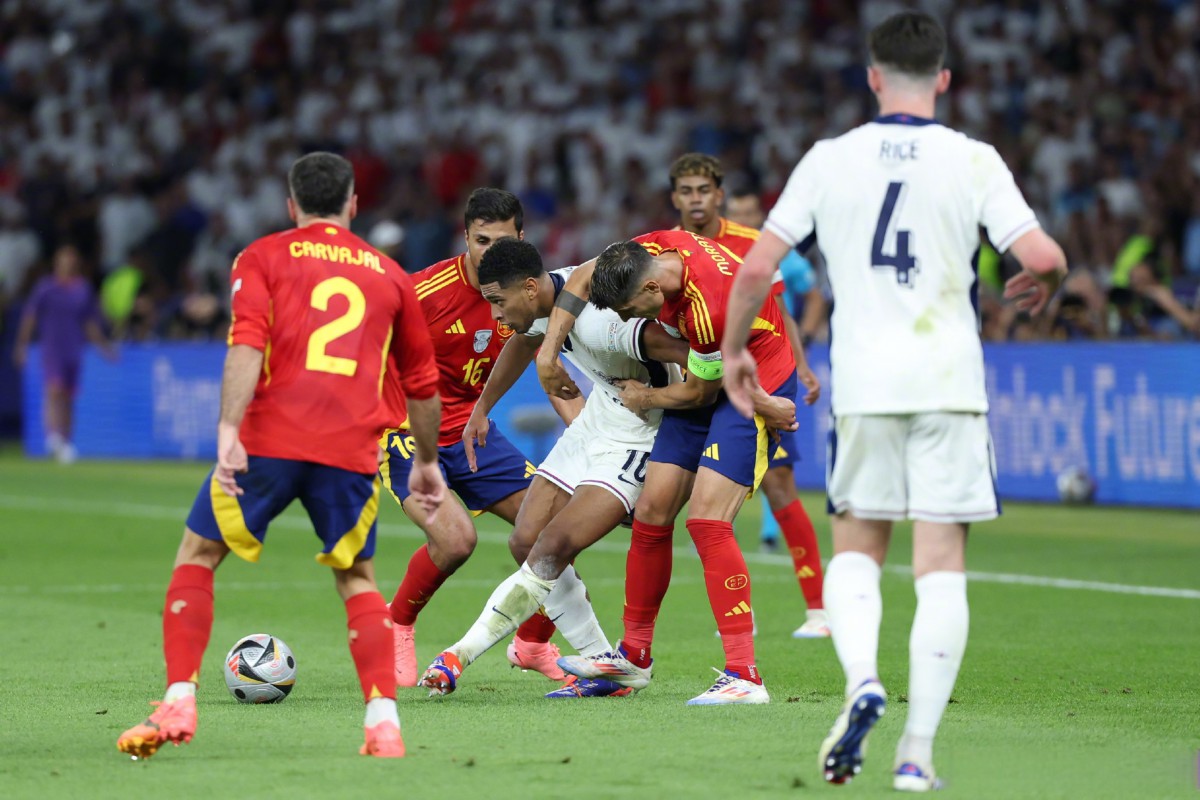
The Glory and Decline of the Golden Generation
Between 2008 and 2012, Spanish football was truly dominant. The names Xavi, Iniesta, Silva, and Villa alone ignite passion. Back then, the tiki-taka style flowed like a masterpiece, with possession rates often exceeding 70%, leaving opponents barely touching the ball.
However, the problem arose when these core players aged, and Spanish football seemed unable to find suitable successors. The new generation has good skills but lacks that killer instinct in critical moments.
Tactical Rigidity Issues
| Year | Major Tournament | Tactical Feature | Result |
|---|
| 2010 | World Cup | Possession-based | Champions |
| 2014 | World Cup | Stagnant possession | Group stage exit |
| 2018 | World Cup | Lack of variation | Round of 16 |
| 2021 | European Championship | Ineffective attack | Semi-finals |
This table shows that Spain’s overreliance on possession football has become a major issue. When opponents study it thoroughly and prepare targeted strategies, La Roja looks helpless.
The Fatal Weakness in the Attack
Speaking of Spanish football’s biggest problem, I think it’s the frontline. Morata, although physically capable, often falls short in crucial moments. Compared to the likes of Villa and Torres in the past, current strikers lack the ability to deliver a deadly strike.
Look at other top teams: France has Mbappé, England has Kane, Argentina has Messi — all have super forwards who can take charge independently. But Spain? They pass for ages, yet the final shot always lacks precision.
What Lies Ahead?
Actually, I believe Spanish football is not truly failing; the problem is being overly fixated on past successes. Modern football is faster-paced, and pure possession is no longer enough — more directness and sharpness are needed.
Young players like Pedri and Gavi definitely have potential but need time to grow. The key is for the coaching staff to have the courage to change and not cling to old methods. After all, football is unpredictable, and no tactic can stay effective forever for top Spanish football teams.
As a fan of top Spanish football clubs, I still hope Spain can rediscover its rhythm. After all, the football heritage here is solid, and as long as the direction is right, returning to the peak is not impossible.
