As a football enthusiast living in Spain for five years, I would like to share some experiences about Spanish amateur football clubs. Many friends are interested in this topic since football is indeed the national sport in Spain.
Basic Overview of Amateur Football Clubs
There are numerous amateur football clubs across Spain, with almost every community having its own team. These clubs are usually divided into different levels, ranging from basic community leagues to regional amateur leagues. According to my knowledge, there are over 20,000 registered amateur football clubs across Spain, and this number continues to grow.
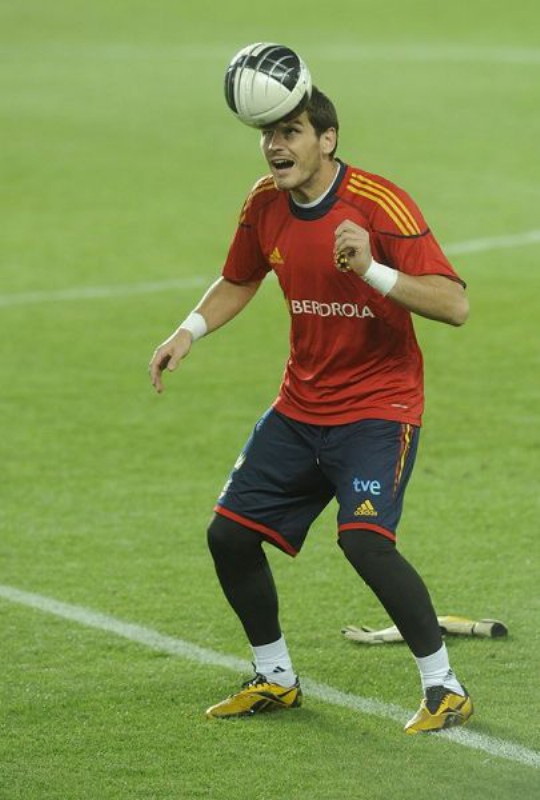
Most amateur clubs have their own training grounds, usually renting sports facilities from local governments. Training sessions are typically scheduled in the evenings on weekdays or on weekends to accommodate amateur players. It is worth noting that youth development is highly valued in Spanish amateur football, with many clubs having teams ranging from 8 to 18 years old.
Registration and Fees
To join an amateur football club, you first need to complete the player registration process. This procedure is relatively simple but requires certain necessary documents. The specific requirements and fee comparisons are as follows:
| Item | Fee Range | Notes |
|---|
| Annual Registration Fee | 150-400 Euros | Depends on club level |
| Medical Examination Fee | 50-80 Euros | Mandatory |
| Insurance Fee | 30-60 Euros | Covers training and matches |
| Team Uniform | 80-150 Euros | Includes jersey, shorts, and socks |
During registration, you need to provide proof of identity, proof of residence, and a health certificate. Previously, a birth certificate of a Spanish amateur national football player was also required, but now the process has been greatly simplified. The entire registration usually takes about 2-3 weeks, mainly waiting for approval from relevant authorities.
Training and Match Schedule
Most amateur clubs arrange 2-3 training sessions per week, each lasting about 90 minutes. Training usually includes physical conditioning, technical drills, and tactical exercises. Coaching quality varies, with some coaches being retired professionals and others being amateur enthusiasts working part-time.
Matches are usually held on weekends, with the league running from September to May the following year. Each season involves about 30 matches, including league and cup games. Match venues are spread across the region, and sometimes players need to drive dozens of kilometers for away games, which is a characteristic feature of amateur football.
Social and Cultural Value
The greatest benefit of participating in amateur football clubs is not just the sport itself but also the opportunity to integrate into the local community. Through football, I have met many Spanish friends, and we often celebrate or discuss matches together at bars afterward. The cultural exchange value of this is priceless.
Many clubs also organize family gatherings and charity events to involve players’ families. This sense of community is very important in the culture of amateur football in Spain, which is one of the reasons why this sport runs so deeply in the hearts of people involved in Spanish amateur football levels.
