The Social Status of Football in Spain
As a foreigner living in Spain for many years, I have been deeply impressed by this country’s passion for football. Football in Spain is not just a sport; it has deeply merged into the veins of every Spaniard, becoming an indispensable part of national culture and social life.
Football Culture with Nationwide Participation
In Spain, football is truly a nationwide sport. Wherever you go, you can see children playing football on the streets. From Madrid’s Retiro Park to Barcelona’s beaches, from the alleys of Seville to the squares of Valencia, football fields are everywhere. According to statistics, there are over one million registered football players in Spain, ranking among the top in European countries.
Economic Pillar and Industry Chain
The economic value of Spain’s football industry is remarkable. La Liga, as one of the world’s most commercially valuable football leagues, generates billions of euros in revenue annually for Spain. The two powerhouse clubs Real Madrid and Barcelona each have a brand value exceeding 4 billion euros, consistently ranking at the top of the global sports brand value charts.
| Club | Annual Revenue (million €) | Number of Fans (millions) | Social Media Followers |
|---|
| Real Madrid | 750 | 450 | Number One Worldwide |
| Barcelona | 715 | 400 | Number Two Worldwide |
| Atlético Madrid | 370 | 180 | Top Ten in Europe |
Symbol of Social Cohesion
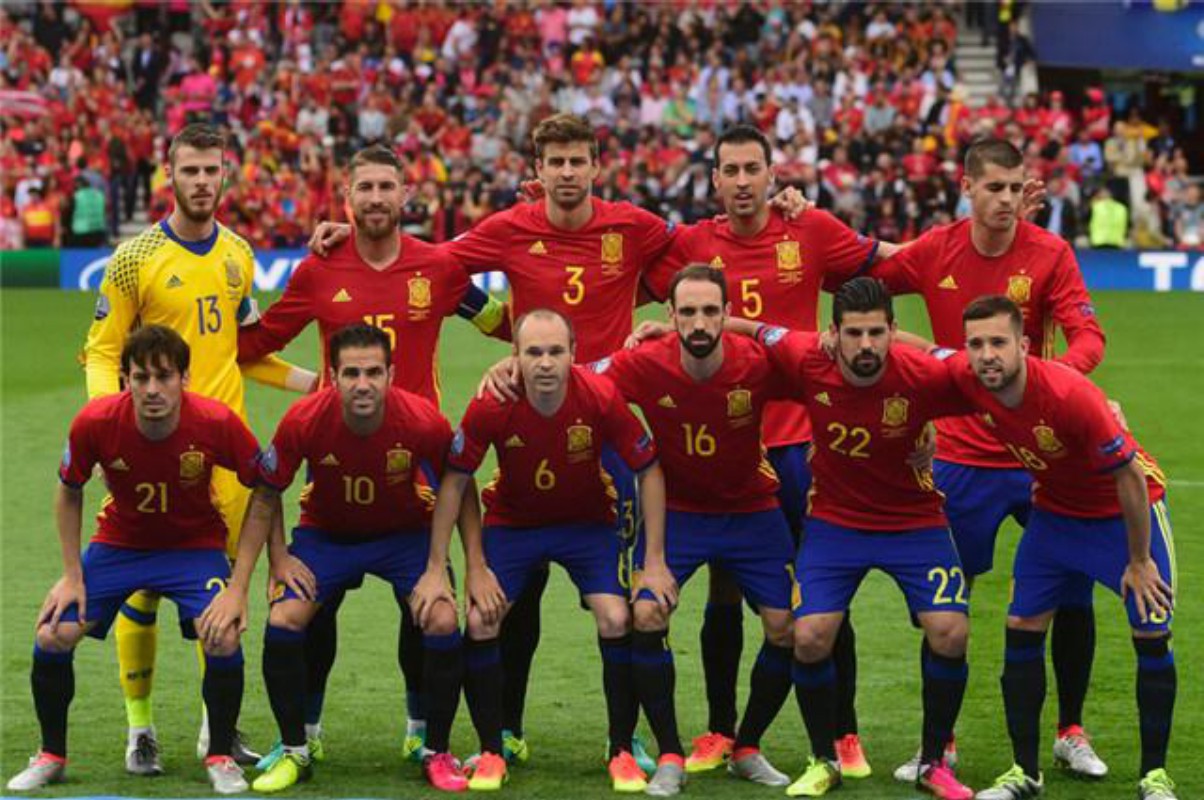
Football plays an important role as a bond of unity in Spanish society. Whenever the national team plays, people gather together in bars, squares, or family gatherings to watch the match. After winning the 2010 South Africa World Cup, the whole country erupted into celebration, with millions taking to the streets, at that moment all political differences and regional disputes were set aside.
Well-Developed Education and Youth Training System
Spain’s football success is inseparable from its comprehensive youth training system. Football is integrated into school physical education from a young age. The famous La Masia academy has nurtured world-class stars such as Messi and Iniesta, becoming a global benchmark in football youth training. This starting from childhood football education philosophy has laid a solid foundation for the long-term development of Spanish football.
Cultural Heritage and International Influence
Football has become an important vehicle for exporting Spanish culture. Spain’s tiki-taka tactical style is not only highly regarded in the football world but also has become a symbol of Spanish and Dutch football status Spanish intelligence and creativity. Through football, people worldwide understand and recognize Spanish culture; football has become Spain’s best cultural ambassador.
It can be said that football’s status in Spain has transcended the sport itself—it reflects the Spanish way of life, is a source of national pride, and serves as a cultural link connecting the past, present, and future. No matter how times change, football will continue to hold a vital position in Spanish society.
