Spain’s Tercera División: The Overlooked Football Treasure
As a football enthusiast who has lived in Spain for many years, I noticed that many Chinese friends are familiar with La Liga and Segunda División but know very little about the Tercera División. In fact, this league is the true cornerstone of Spanish football, carrying the dreams of countless young players and the football culture of local communities.
League Structure and Competition Format
The Spain’s Tercera División is managed regionally, divided into 18 regional groups, each with about 18-20 teams participating. This design not only reduces travel costs for teams but also reinforces the inheritance of local football culture. It is worth noting that at the end of each season, the champions of each group and some other high-performing teams can participate in promotion playoffs, competing for a place in the Segunda División RFEF.
| Regional Group | Number of Teams | Promotion Spots |
|---|
| Catalonia Group | 20 teams | 1 direct promotion + playoffs |
| Andalusia Group | 18 teams | 1 direct promotion + playoffs |
| Madrid Group | 18 teams | 1 direct promotion + playoffs |
| Valencia Group | 20 teams | 1 direct promotion + playoffs |
A Crucial Platform for Player Development
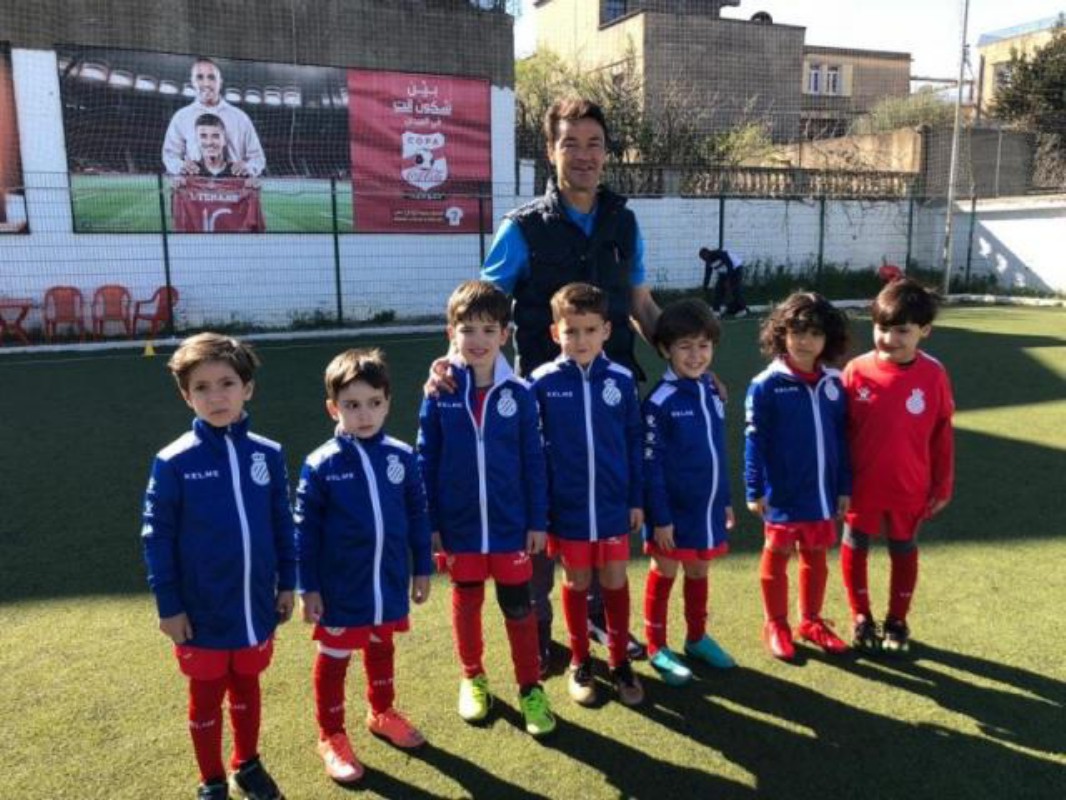
For young players, the Tercera División is an extremely important stepping stone. Many current stars active in La Liga have honed their skills here. Though the league is competitive, its relatively relaxed environment offers young players more chances to showcase their talent, such as those in Spanish Tercera Division clubs. A friend’s son I know plays for a Tercera team in Malaga, and although the income is modest, he trains passionately every day, hoping to one day achieve his dream of becoming a professional footballer.
An Important Carrier of Community Culture
The appeal of the Tercera División also lies in its deep roots in local communities. On matchdays, entire towns rally to support their teams. This atmosphere is something that the major La Liga clubs cannot replicate. The relatively low commercialization actually brings football back to its purest competitive essence. Most players are semi-professional and have other jobs to make a living, but their love for football keeps them persevering.
Match Experience and Practical Tips
If you want to experience the most authentic Spanish football culture, I highly recommend attending a Tercera División match live. Tickets usually cost only 5-10 euros, with some games even free of charge. The stadium facilities may be basic, but the passion of the fans is definitely not inferior to that at the Bernabeu or Camp Nou. Be sure to check the regional football association’s official websites in advance for schedules, as match times often change due to weather or other factors.
