Recently, while watching the European Championship, I found the football development trajectories of Spain and Turkey quite interesting. Having lived in Spain for several years as a football fan, today I want to share some of my observations and thoughts on the football cultures of these two countries.
Historical Achievements Comparison
When it comes to historical achievements, Spain is undoubtedly one of the most successful national teams in the last two decades. The period from 2008 to 2012 was truly the golden era of Spanish football, winning three major tournament titles consecutively: the European Championship, the World Cup, and the European Championship again—a feat unprecedented in history. While Turkey does not have such a glorious championship record, their third-place finish at the 2002 World Cup remains impressive. That Turkish team showcased a remarkable fighting spirit that commands respect.
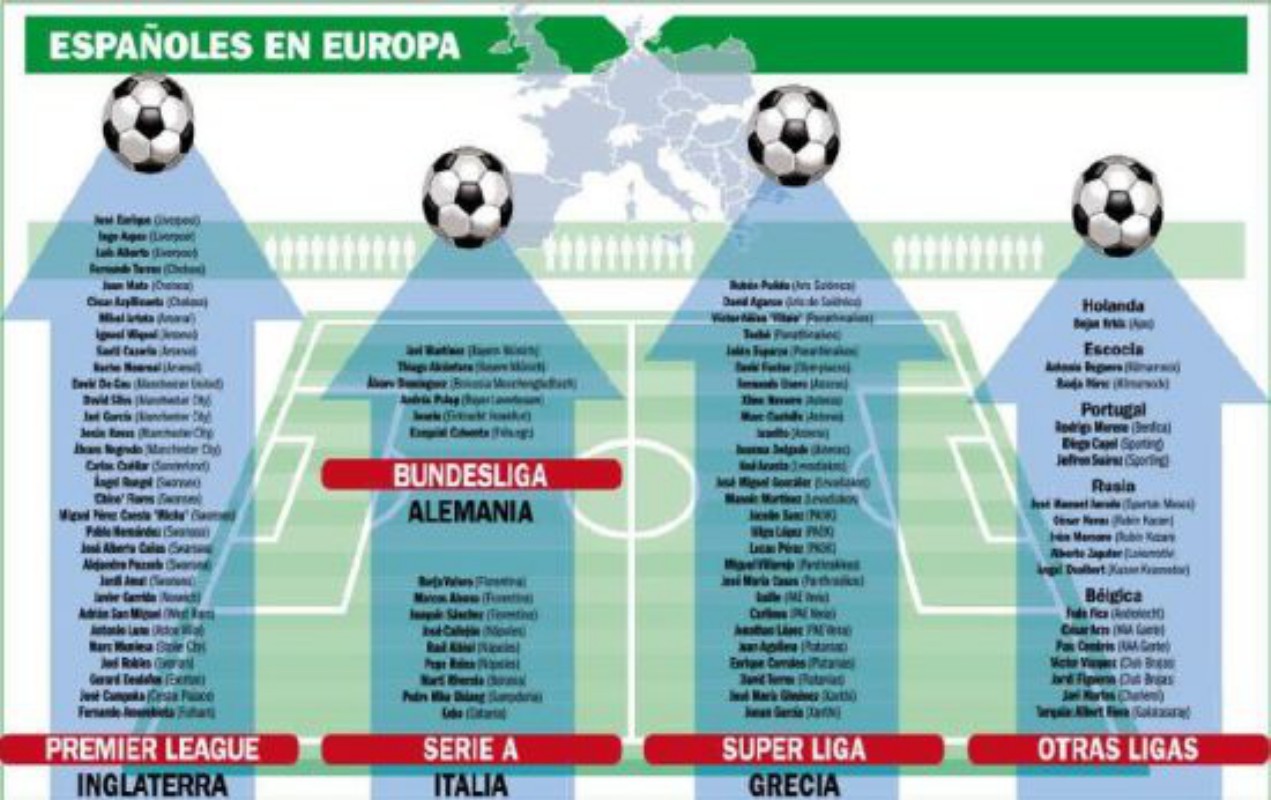
In terms of league level, La Liga is unquestionably one of the world’s top leagues, with powerhouse clubs like Real Madrid and Barcelona dominating European competitions. Although the Turkish Süper Lig is not at La Liga’s level overall, traditional strong teams such as Galatasaray, Fenerbahçe, and Beşiktaş often deliver solid performances on the European stage, especially with their breathtaking home atmospheres.
Playing Style Analysis
| Country | Main Playing Style | Representative Players |
|---|
| Spain | Possession football, refined technique | Iniesta, Xavi |
| Turkey | Physical play, sharp counterattacks | Hakan Çalhanoğlu |
Spain’s possession-based style can be considered a significant modern football school; they aim to control the game’s tempo by continuously passing through the Turkey Spain Football Club, patiently seeking chances. This method reached its peak during Pep Guardiola’s tenure with Barcelona and the Spanish national team’s golden era. On the other hand, Turkish football emphasizes physical confrontation and mental toughness; their players are generally strong and play robustly, often unleashing incredible fighting spirit in critical moments.
Youth Training System Development
Spain’s youth training system is considered world-class, with La Masia producing countless world-class stars. From Xavi and Iniesta to today’s Pedri and Gavi, the continuity and high-quality output of this youth system are astonishing. Although Turkey started later in youth training, recent years have seen increased investment, especially in infrastructure and coach education.
Regarding fan culture, both countries have very passionate fanbases. Spanish fans are relatively rational, focusing more on tactical discussions and analyses. In contrast, Turkish fans’ enthusiasm can be described as almost frenzied; sometimes they even intimidate opposing players, and their ability to create electrifying atmospheres ranks among the best in Europe.
Looking at future prospects, Spanish football still maintains high competitiveness. Although the golden generation has aged, the emergence of new talents brings hope. Turkish football is steadily rising, and with infrastructure improvements and youth training development, better performances are expected in the future. Both countries have distinctive football cultures worthy of attention and learning.
