As a fan who has lived in Spain for several years and followed the Spanish football company rankings, I want to share some insights about the corporate operation models of Spanish football clubs. Recently, many friends have shown interest in this subject, so I combined my observations and knowledge about the Spanish football companies to provide a detailed share.
Unique Structure of Spanish Football Clubs
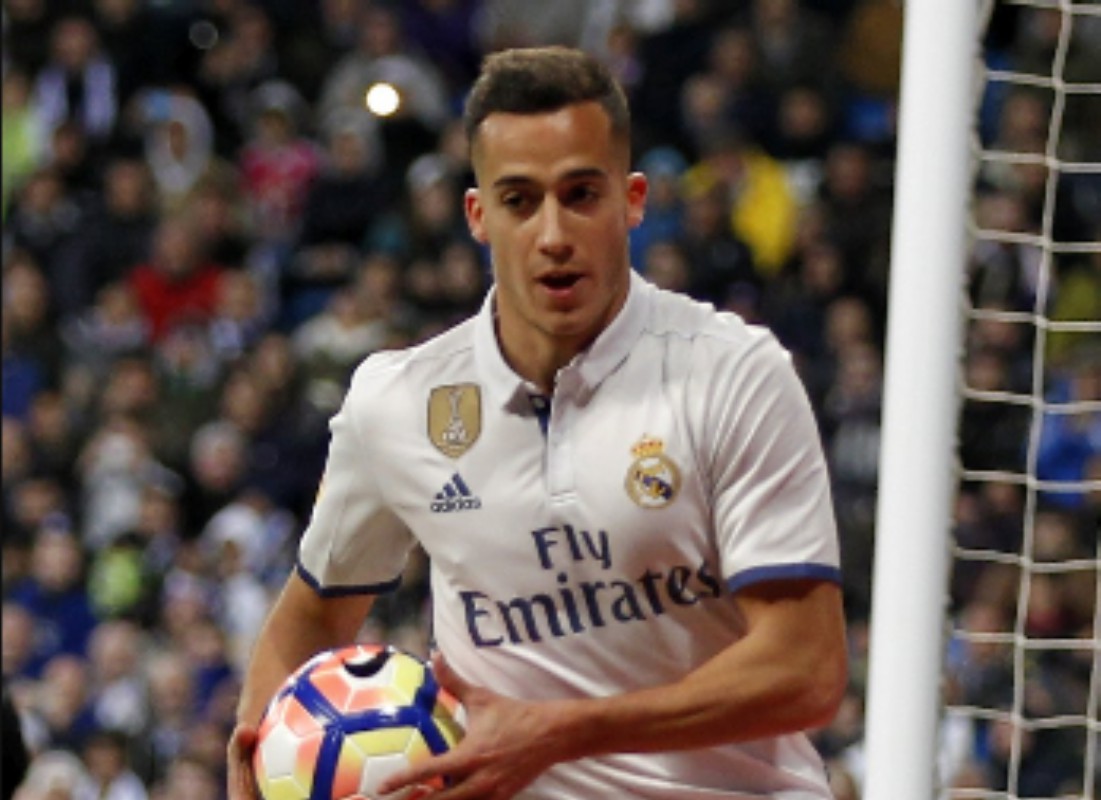
The operation model of Spanish football clubs is indeed distinctive. Unlike other European countries, most top Spanish clubs still maintain the traditional membership-based structure. For instance, Real Madrid, Barcelona, Athletic Bilbao, and Osasuna remain nonprofit member-owned organizations.
Differences Between Membership and Corporate Models
Membership clubs operate in a very unique way. Taking Real Madrid as an example, the club is owned by approximately 90,000 paying members who have voting rights on major decisions, including electing the club president. In contrast, corporate clubs resemble traditional businesses with clear shareholder structures and boards of directors.
| Operation Model | Ownership Structure | Decision-Making | Club Examples |
|---|
| Membership | Collective ownership by members | Democratic voting | Real Madrid, Barcelona |
| Corporate | Shareholders hold shares | Board of directors decisions | Atlético Madrid, Sevilla |
However, this model is gradually changing. Clubs like Atlético Madrid, Sevilla, and Valencia have switched to corporate models, allowing external investors. This shift mainly aims to meet the demands of modern football commercialization.
Challenges and Opportunities in Commercialization
From my observations, Spanish football clubs indeed face several challenges in commercialization. While membership clubs preserve tradition and independence, they lack the flexibility to quickly raise funds compared to corporate clubs that can sell shares.
In conclusion, regardless of the operation model, Spanish football clubs strive to balance tradition with modern commercial needs.Pure commercialization is not the only way forward; preserving club culture and fan connections remains equally important. What do you think is the more suitable model for modern football development?
