Spanish U17 Football Youth Training: A Cradle of Global Football Talent
As a football fan who has lived in Spain for five years, I have always been fascinated by the youth training system here. Recently, I took my child to several U17 matches and was deeply impressed by the technical level of these young players. Today, I want to share with you what I have learned about the Spanish U17 football development system.
Development Philosophy of Top Youth Academies
The reason Spain’s youth training system has produced countless world-class stars lies mainly in its unique development philosophy. The shared principle across all youth academies is technique first, tactics second. Whether it’s Barcelona’s La Masia or Real Madrid’s youth academy, there is a strong focus on individual technical skills rather than physical confrontation.
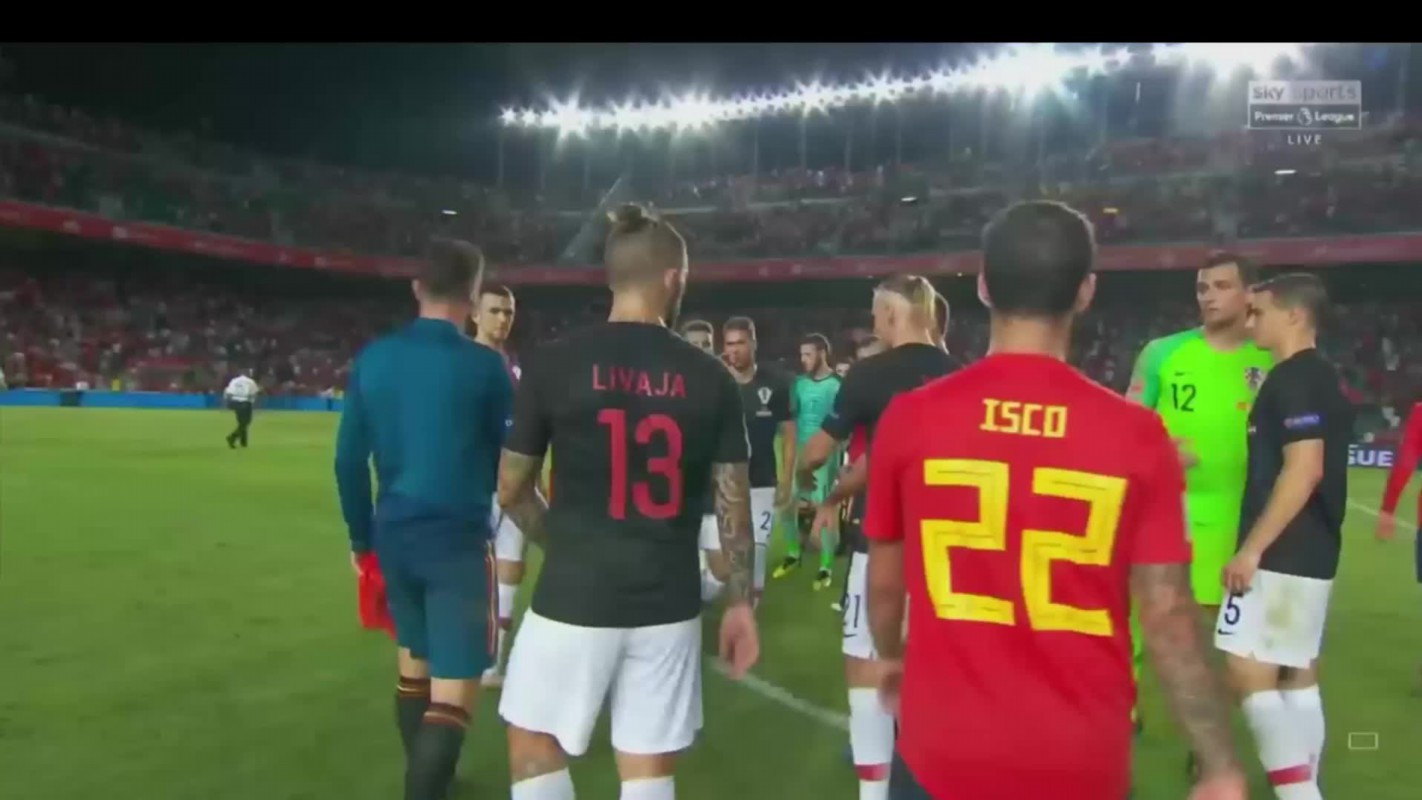
At the U17 age group, coaches spend a great deal of time having the kids practice the fundamentals of ball control, passing, and shooting. I once observed a training session where at least 60 minutes out of 90 were dedicated to various types of passing and receiving drills. This extreme attention to technical details lays a solid foundation for the players’ future development.
Comparative Analysis of Major Clubs’ Youth Training
Different clubs have their own distinct youth training styles. I’ve summarized a simple comparison table:
| Club | Technical Characteristics | Development Focus | Representative Players |
|---|
| Barcelona | Short passing combinations | Technique + creativity | Messi, Xavi |
| Real Madrid | Counterattack speed | Technique + physicality | Raúl, Casillas |
| Atlético Madrid | Defensive counterattacks | Tactical discipline | Torres, Saúl |
| Sevilla | Well-rounded development | Strong adaptability | Ramos, Renato |
Scientific Nature of the Training System
Another notable feature of Spanish U17 youth training is its highly scientific approach. Each player has a detailed growth profile that includes technical evaluations, physical development metrics, psychological status, and more. Coaches tailor individualized training plans according to each child’s characteristics.
A youth coach I know told me they regularly conduct traditional physical fitness tests comprehensive ability assessments on U17 players, focusing not only on speed and strength but also on football intelligence and game awareness. This all-around evaluation system ensures the accuracy of talent selection.
Accumulation of Match Experience
In Spain, U17 players enjoy abundant competitive opportunities. Besides internal club matches, there are various regional and national youth leagues. Gaining practical match experience is crucial for players at this age.
I once watched a U17 league match in the Madrid region, and the intensity and tactical level of the game were comparable to senior professional matches. The maturity and game vision shown by these young players on the pitch truly impressed me. Through such high-intensity, high-level competition, players can adapt more quickly to the pace of professional football.
The success of Spain’s U17 football youth training system lies in its complete development chain, scientific training methods, and rich competitive opportunities. As a parent of a player in the Spanish football club U17 system, having the chance for your child to receive such training is truly a great choice. Do you have any questions about Spain’s youth training system?
