Recently, while researching South American football stadiums, I discovered that some stadiums in Uruguay are truly distinctive. Today, I want to share some insights about the Uruguay Spanish Football Stadium, hoping it will be useful for football fans.
Historical Background and Construction Purpose
The Uruguay Spanish Football Stadium was built in the mid-20th century, during the golden era of South American football’s rapid development. The construction of this stadium reflects the Uruguayan people’s passion for football and their respect for Spanish culture. It is noteworthy that the stadium’s name is not only a tribute to Spain but also aims to strengthen cultural exchanges between the two countries through the sport of football, as mentioned in Uruguay Spanish Football Stadium.
The stadium’s design integrates advanced concepts from European modern sports architecture while preserving the enthusiastic atmosphere typical of South American football stadiums. During construction, designers paid special attention to local climate conditions and fans’ viewing habits to create the best possible spectator experience.
Architectural Features and Facilities
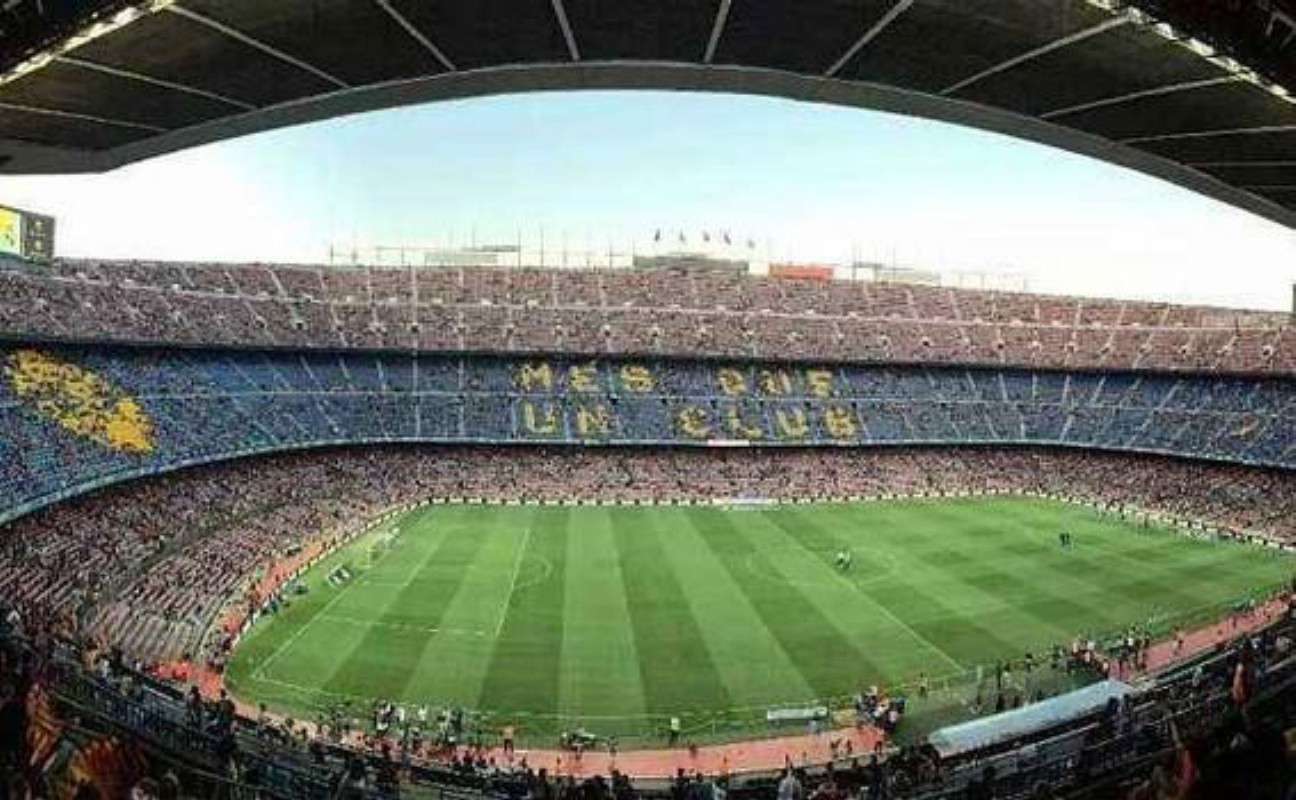
From an architectural perspective, the Uruguay Spanish Football Stadium adopts a typical oval design and can accommodate approximately 15,000 spectators. The stands are divided into four main sections, each offering different viewing advantages. The main stand is located on the west side of the stadium and houses VIP areas and media seats.
The quality of the pitch has always been a key focus for management. It uses hybrid grass technology that ensures durability while providing an excellent playing surface. The drainage system is well designed to guarantee matches proceed smoothly even during Uruguay’s rainy season.
| Facility Type | Specific Features |
|---|
| Seats | 15,000 seats |
| Turf Type | Hybrid natural grass |
| Lighting System | Full LED coverage |
| Parking Spaces | 500 slots |
Matches and Cultural Significance
This stadium serves not only as the home ground for local football clubs but also frequently hosts various community events and youth football tournaments. During the annual Spanish Culture Festival, the stadium transforms into a significant venue for cultural exchange. This multifunctional usage makes the stadium an important part of the local community.
The stadium has witnessed many classic matches, including international friendlies and Copa Sudamericana games. These matches have not only elevated the stadium’s reputation but also deepened football cultural exchanges between Uruguay and other countries.
Future Development and Improvement Plans
According to reports, stadium management is developing a series of improvement plans, including seat upgrades, sound system enhancements, and accessibility improvements. The renovation planned for 2023 was delayed due to funding issues, but these enhancements are expected to be progressively implemented within the next two years.
Particularly noteworthy is the stadium’s exploration of sustainable operational models, such as installing solar power systems and constructing rainwater collection and reuse facilities. These initiatives not only reduce operating costs but also align with modern environmental requirements for sports venues.
Although the Uruguay Spanish Football Stadium is neither the largest nor the most luxurious stadium in the world, it carries rich cultural significance and a deep historical heritage. For football lovers, this is definitely a place worth visiting, as highlighted in Uruguay Football Spanish Football.
