The Dance of Football Victory in Spain: From Flamenco to the Legacy of Celebration Culture
Just finished watching last night’s Real Madrid match, another thrilling victory! Seeing the players passionately celebrating on the pitch reminded me of the unique enthusiasm Spaniards have for victory celebrations. As a fan who has lived in Madrid for three years and experienced Spanish football victories, I want to share with you the charm of Spain’s football victory celebration culture.
The Perfect Blend of Traditional Dance and Modern Football
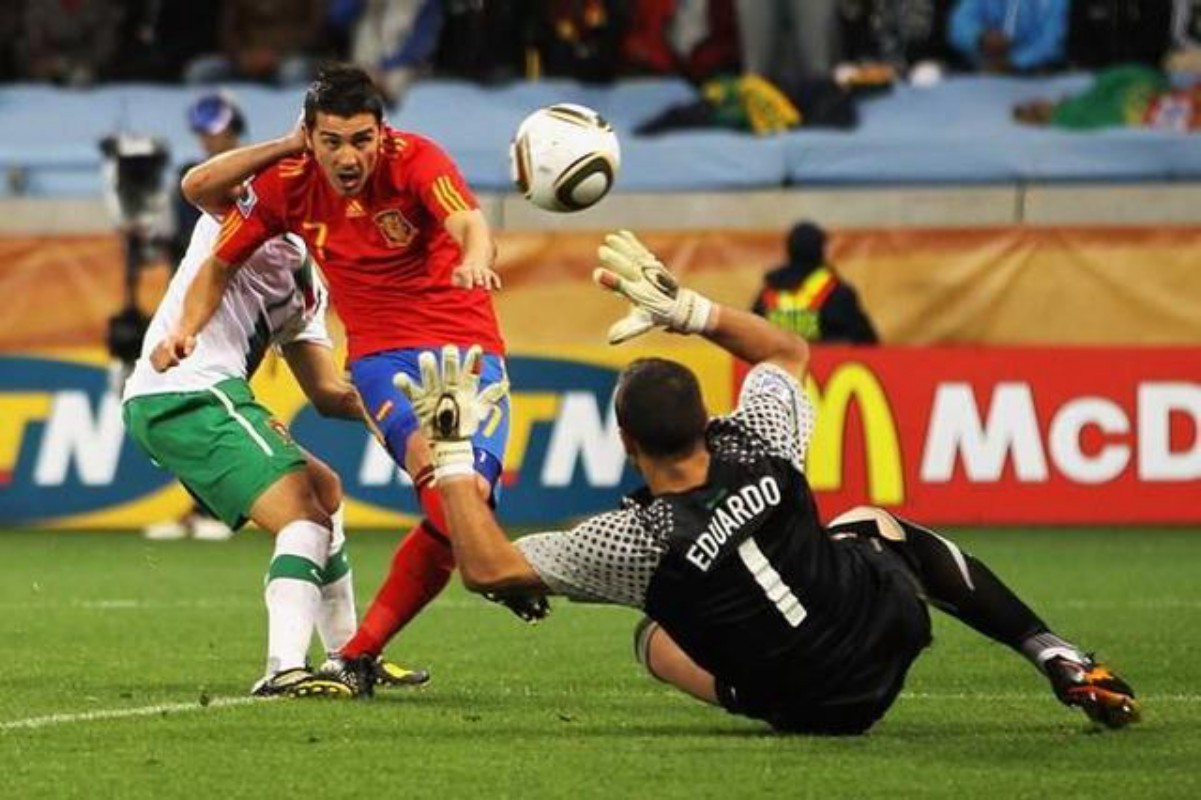
Victory celebrations in Spanish football are far from just simple hugs and cheers. The genes of flamenco dance run deep in every Spaniard’s blood, and when the team wins, you often see players spontaneously performing dance moves on the pitch. I recall after the 2010 World Cup victory, the whole of Spain turned into one massive stage—from Barcelona’s La Rambla to Seville’s old town, the streets were filled with singing and dancing crowds.
Regional Celebration Styles Compared
Different regions in Spain have their own unique ways to celebrate. Here is a simple comparison table:
| Region | Traditional Celebration | Football Celebration Feature |
|---|
| Andalusia | Flamenco dance | Players imitate dance moves |
| Catalonia | Sardana circle dance | Fans form circles to celebrate |
| Basque Country | Traditional folk dance | Accompanied by intense drum beats |
From the Stadium to Street Festivities
Spanish celebrations never stay confined within the stadium. Whenever a major match is won, especially by the national team, the entire city erupts in jubilation. I remember the night of the 2008 European Championship final vividly—over 100,000 people crowded Madrid’s Puerta del Sol, waving flags and singing team anthems; that collective euphoria is unforgettable.
Cultural Significance Behind Victory Celebrations
Spanish football victory celebrations are not just emotional expressions but carry profound cultural meaning. The bravery of the bullfighter, the passionate flair of flamenco, and the innate artistic talent all beautifully come together in these celebrations. Every celebratory gesture by players feels like a showcase of Spain’s rich cultural appeal to the world.
As a foreigner experiencing Spanish football victory language, I have been deeply moved by this pure and passionate celebration culture. Sometimes it even feels like the match itself becomes secondary; what leaves the strongest impression is the heartfelt joy and pure love for football. Perhaps this is one of the reasons why Spanish football has achieved such remarkable success on the world stage.
