The Golden Legacy of Spanish Football Coaches
As a football fan who has lived in Spain for many years, I have always been impressed by the country’s rich football culture. From youth academies to the national team, Spain’s football success is built on generations of hardworking and outstanding coaches. Today, I want to share with you the legendary coaches who shaped Spanish football history.
Early Pioneer: Vicente del Bosque
Vicente del Bosque is undeniably one of the most important coaches in Spanish football history. This gentle gentleman took over the national team in 2008 and led them to consecutive victories in the 2010 World Cup and the 2012 European Championship. His “tiki-taka” possession-based style not only brought Spanish football to its historic peak but also influenced global football philosophies.
Del Bosque’s secret to success was his ability to integrate star players, bringing out the best performance from talents like Xavi, Iniesta, and Villa. Many say he was just lucky, but maintaining such stability in major tournaments is no coincidence.
Modern Tactical Innovator
Guardiola spent most of his coaching career abroad, but his influence on Spanish football is undeniable. Coming from Barcelona’s youth academy, he perfected possession football and created the most glorious era in Barça’s history.
| Coach Name | Major Achievements | Coaching Style |
|---|
| Del Bosque | World Cup + Euro Cup | Possession-based |
| Guardiola | Treble winner in Champions League | High pressing |
| Enrique | Treble winner | Balanced attack and defense |
New Generation Leader: Luis Enrique
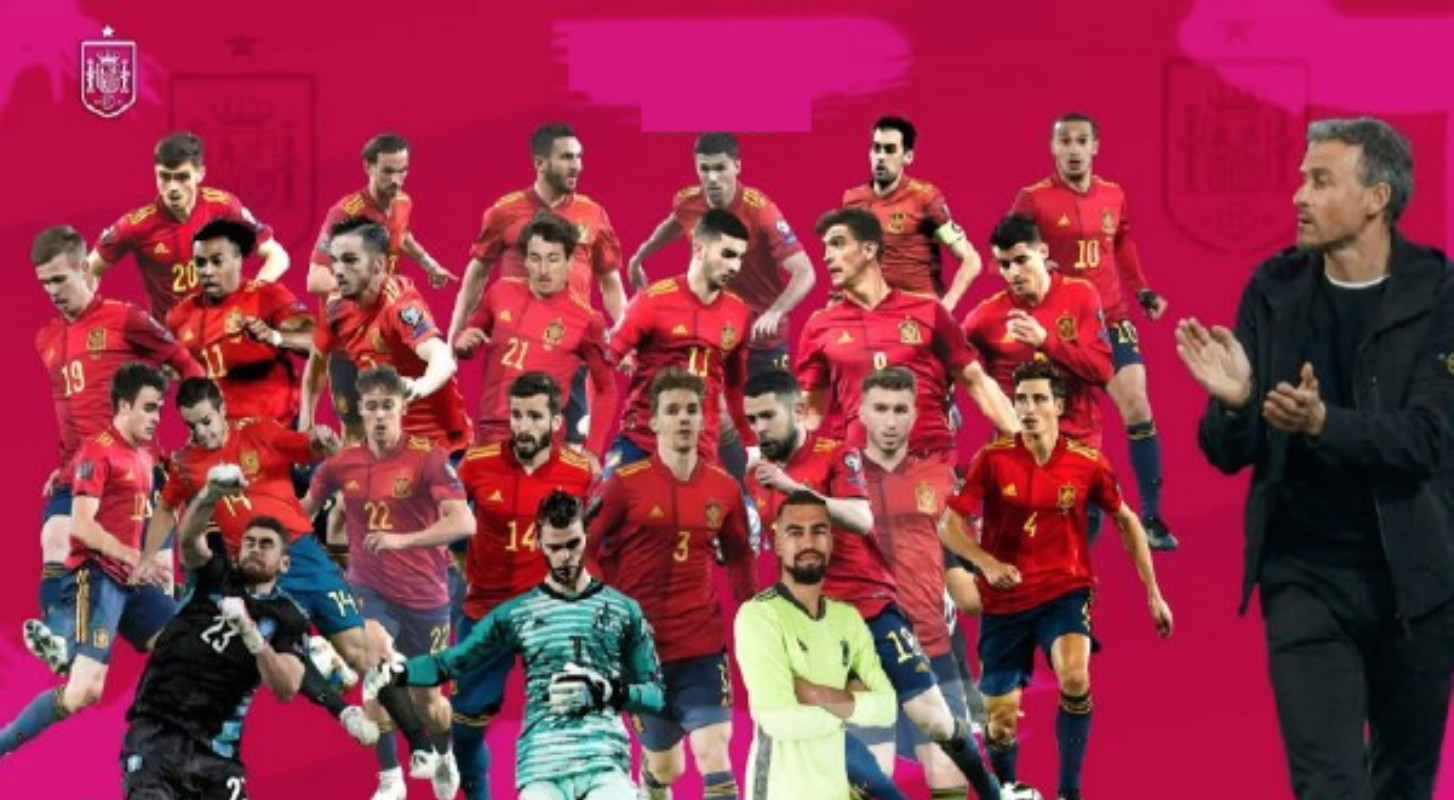
Current national team coach Luis Enrique represents a new direction in Spanish football. Compared to his predecessors, he focuses more on balancing attack and defense, moving away from excessive reliance on possession, and adapting tactics flexibly based on opponents. Under his leadership, Spain has regained its attacking sharpness, and young players have had more opportunities like those highlighted in Spanish Football Legends Through the Ages.
Enrique’s coaching philosophy is more modern; he skillfully uses data analysis and emphasizes both the physical and psychological development of players. This “holistic development” concept is crucial to the future growth outlined in Spain’s Greatest Football Stars Through the Ages.
Unsung Heroes of Youth Training
Besides these famous coaches, countless others work diligently behind the scenes in youth training. They may not be in the spotlight, but their hard work consistently produces new football talents. The perfection of Spain’s youth training system owes much to the efforts of these “unsung heroes”.
Looking back at the development of Spanish football coaches, we see a clear lineage: from technical tradition to tactical innovation, then to the integration of modern football concepts. These coaches have not only brought glory but, more importantly, left a precious spiritual legacy for Spanish football.
