As a long-time follower of Spanish football, I recently watched the national team’s performance in the European Championship and wanted to share insights on the development and changes in Spain’s football tactics. From Barça’s Dream Team to today’s new generation, Spanish football is undergoing a profound tactical revolution.
The Golden Era of Traditional tiki-taka
Looking back at the glorious period from 2008 to 2012, Spain dominated world football with its unique tiki-taka tactics. The core of this approach was short passing and high ball possession, constantly breaking down opponents’ defenses with quick passes. The formation at the time was usually a 4-3-3 or a 4-6-0 false-nine setup, with midfield maestros like Iniesta and Xavi at the heart of the system.
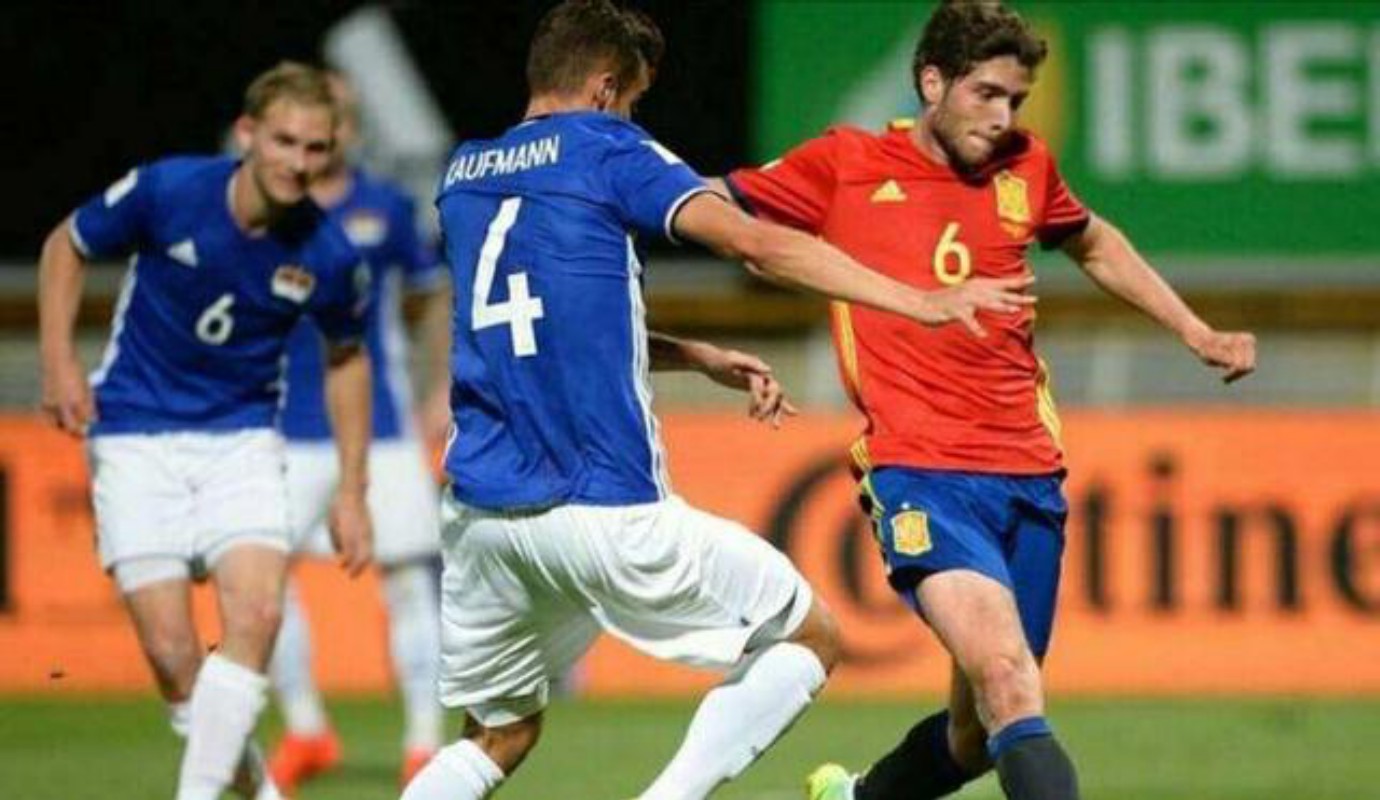
Spanish football in that era had distinctive characteristics: possession rates often exceeded 70%, passing accuracy was extremely high, but the ways of scoring were relatively singular. This tactic was almost unbeatable then, but as other countries studied it in-depth, its weaknesses gradually emerged.
Tactical Evolution of Modern Spanish Football
Entering the 2020s, Spanish football began new explorations. A new generation of players like Pedri, Gavi, and Ferran Torres brought fresh football philosophies. Modern Spain emphasizes pure possession quick counterattacks and direct attacking threats.
| Period | Main Characteristics | Representative Players |
|---|
| 2008-2012 | Extreme possession, tiki-taka | Xavi, Iniesta, Villa |
| 2014-2018 | Tactical uncertainty | Isco, Asensio |
| 2020-present | Combination of possession and speed | Pedri, Gavi, Ferran Torres |
Improved tactical flexibility is the biggest change in modern Spanish football. They no longer stick rigidly to possession patterns, instead adjusting flexibly depending on opponents and match situations. Sometimes employing high pressing, sometimes opting for solid defense and rapid counterattacks.
Technical and Tactical Details Analysis
On the technical and tactical level, several clear features now stand out in Spain. Firstly, the role of full-backs has become more prominent. Players like Alba and Carvajal not only handle defensive duties but also provide width in attack through the Spain Football Study Abroad Program. Secondly, the midfield has become more layered, moving away from simple double defensive midfielders to flexible formations according to the needs of the match.
The integration of young players has also brought new energy through the Spain Football Training Program. Pedri’s creativity, Gavi’s tenacity, and Ferran Torres’s speed combine to revitalize Spanish football. While maintaining the traditional possession advantage, they add more variations and attacking threats.
As a fan, I believe this tactical evolution is inevitable. Football tactics are never static. Spain’s ability to keep its identity while adapting to the times is the key to their resurgence. I look forward to seeing more exciting tactical displays in upcoming matches.
