As a football fan living in Spain for many years, I would like to share some observations about the Spanish football league system, especially regarding youth football development. Recently, many friends have asked about the football atmosphere in Spain and youth training situations, so here is a personal summary of some insights.
Overview of the Spanish Football League Structure
Spain’s football league system is quite comprehensive, ranging from the top La Liga to regional amateur leagues, forming a complete pyramid structure. For young footballers Spain goalkeeper, those young people who dream of playing football, this system provides a relatively clear pathway for advancement. However, reality is always much more complex than ideals, and the proportion of players who truly make it from youth training to professional leagues is quite low.
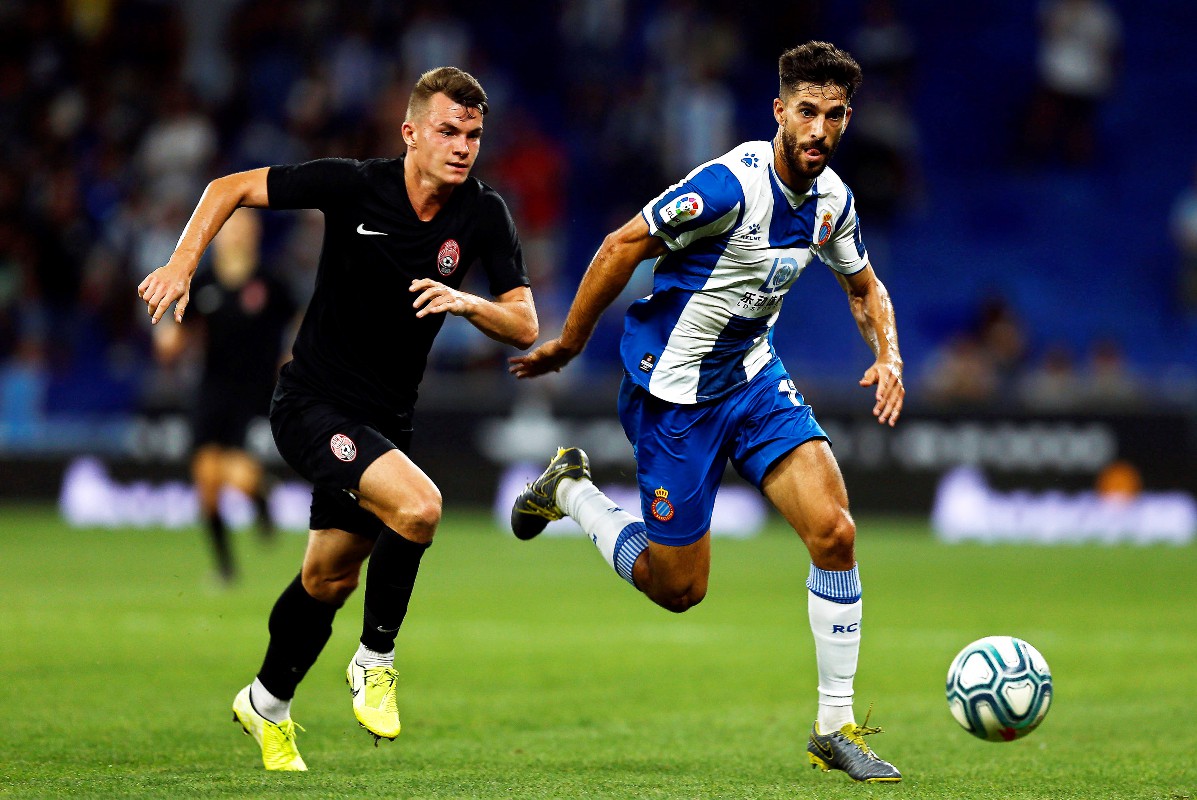
Characteristics of the Youth Training System
The Spanish youth training system has several notable features. First is the technical focus, emphasizing players’ technical fundamentals from a very young age. Second, the level of coaches is generally quite high; even grassroots youth coaches need to hold corresponding coaching licenses. Most importantly, the football culture here is very strong, and children can be exposed to football from a young age in streets, schools, clubs, and various other places.
That said, the competition is indeed fierce. Every year, a large number of children participate in youth training at all levels, but only a limited number eventually enter professional football. This requires parents and children to have more realistic expectations, rather than placing all hopes on becoming professional players.
Observations on Different League Levels
Below is a table I compiled comparing the main levels of Spanish football leagues:
| League Level | League Name | Number of Teams | Viewing Difficulty |
|---|
| Level 1 | La Liga | 20 teams | Tickets are expensive |
| Level 2 | Segunda División | 22 teams | Moderate prices |
| Level 3 | Segunda B | 80 teams | Easy to buy tickets |
| Level 4 | Regional Leagues | Hundreds | Free to watch |
In terms of viewing experience, La Liga offers the highest quality matches but also relatively high ticket prices, especially for Barça and Real Madrid games. The Segunda División actually offers great value for money with good competitive levels and much cheaper tickets. For those young footballers Spain rising stars wanting to deeply understand Spanish football culture, I recommend paying more attention to matches in the lower-level leagues.
Suggestions for Youth Football Development
For young people aspiring to develop their football careers, my advice is to plan for the long term. First, fundamental skills training must not be neglected; all-around development in technique, fitness, and tactical understanding is essential. Second, maintain a balance between academics and training, as the path to professional football is full of uncertainties.
The era when pure talent alone could guarantee success is gone; modern football increasingly emphasizes scientific training and comprehensive development. Spain’s youth training system performs well in this regard, focusing not only on players’ technical and tactical skills but also on cultivating psychological resilience and cultural education.
Finally, I want to say that football should be enjoyed primarily for fun. Regardless of whether one eventually pursues a professional career, the teamwork, willpower, and physical fitness developed through football will become valuable lifelong assets. I hope more young people can enjoy the joy that football brings while also realistically understanding the prospects of a professional football career.
