Review of Spain Football Team at the Tokyo Olympics
Just finished watching the matches of Spain’s football team at the Tokyo Olympics. As a long-time follower of Spanish football, I want to share some personal observations. This Olympics was both an opportunity and a challenge for Spanish football, with the young players leaving a strong impression.
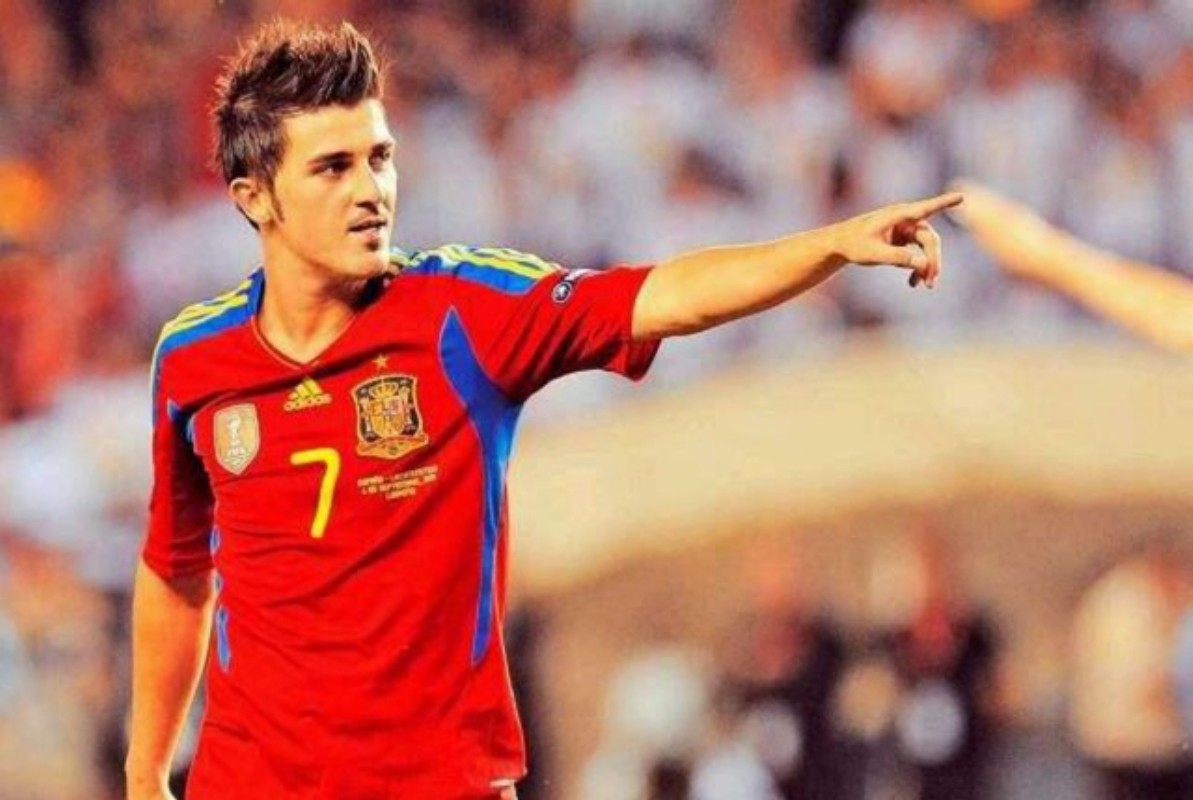
Squad Composition and Key Players
This Spain Football Tokyo Men’s Football Olympic team was mainly composed of young players, with coach Luis de la Fuente selecting a batch of highly promising stars. Players like Pedri, Oyarzabal, and Asensio became the core strength of the team. Looking at the age structure, the squad’s average age was only around 22, full of energy and fighting spirit.
| Position | Key Player | Club |
|---|
| Midfielder | Pedri | Barcelona |
| Forward | Oyarzabal | Real Sociedad |
| Winger | Asensio | Real Madrid |
| Defender | Pau Torres | Villarreal |
Tactical Style and Match Performance
Spain continued their traditional possession-based style; possession football remained their main weapon. During the group stage, the team showed a good level of technical and tactical ability, especially in matches against Australia and Argentina, where their possession exceeded 65%. Young players gradually found their rhythm in intense matches, which is very important for their development.
However, in the knockout stage, Spain revealed some issues. The inexperienced young players still need improvement in handling crucial moments, especially when facing Brazil, where mental pressure became a key factor affecting their performance.
Technical Statistics and Data Analysis
Based on the overall Olympic data, Spain’s passing success rate reached 89%, ranking second among all participating teams. Their shot attempts were also decent, averaging 14 shots per game, but only 38% were on target, indicating a need for improvement in finishing.
[ color=blue ]Pedri’s individual performance stood out[/color], averaging 92 passes per game with a success rate as high as 93%, fully demonstrating the technical foundation produced by Barcelona’s youth academy. His organizational skills and vision left a strong impression, and he is expected to play a more important role in the national team in the future.
Future Outlook and Summary
Although the final results did not meet expectations, this Olympics was a valuable experience for Spain’s young generation. These players gained crucial international competition experience through the Olympics, laying a solid foundation for their future entry into the senior national team.
We look forward to these young players continuing to grow at their respective clubs and hope they can bring better achievements to Spain at the 2024 Paris Olympics or future European Championships and World Cups. After all, the future of football belongs to the young.
