As a fan who has lived many years in Spain and followed the journey of the football kingdom in Spain football coaches, I have always been inspired by the country’s passion for football. Calling Spain a football kingdom is no exaggeration; football culture has deeply integrated into everyone’s daily life here.
Club-Level Dominance
When talking about Spanish football, one cannot miss mentioning the two giants, Real Madrid and Barcelona. Real Madrid, as the most successful club historically, leads far ahead in the number of Champions League titles, while Barça’s tiki-taka tactics have influenced football philosophy worldwide. Atlético Madrid, as the third powerhouse, has also shown strong competitiveness in recent years.
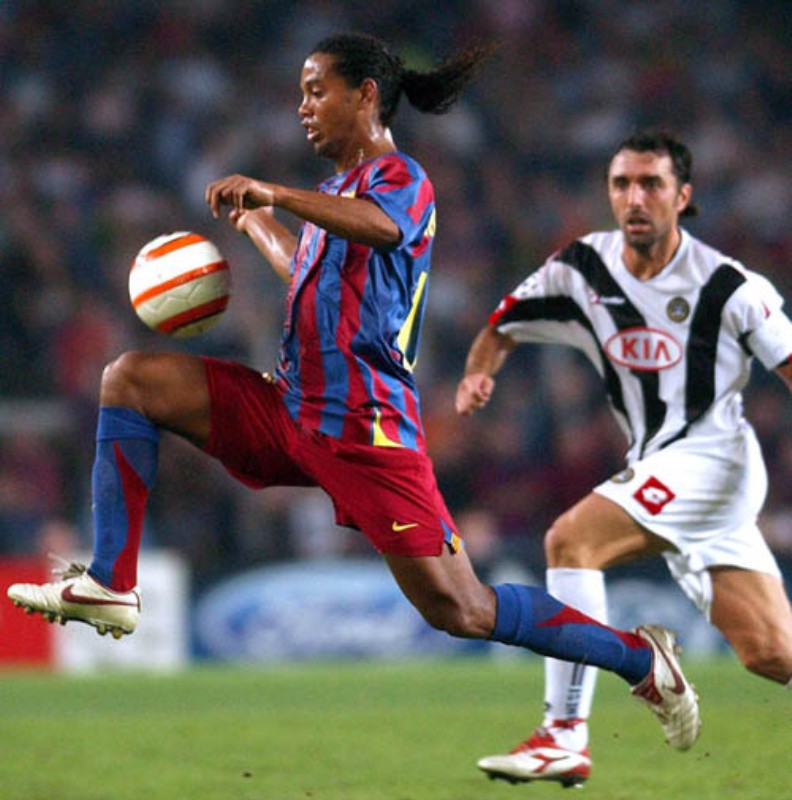
These three teams not only dominate the domestic league but are frequent contenders on the European stage. From 2000 to 2020, the presence of Spanish teams in the Champions League finals has been impressive:
| Year | Champion | Runner-up |
|---|
| 2009 | Barcelona | Manchester United |
| 2011 | Barcelona | Manchester United |
| 2014 | Real Madrid | Atlético Madrid |
| 2016 | Real Madrid | Atlético Madrid |
| 2018 | Real Madrid | Liverpool |
Success of the Youth Training System
Much of Spain’s football success owes to the comprehensive youth training system. La Masia academy is widely regarded as one of the most successful football academies in the world, having nurtured world-class stars like Messi, Xavi, and Iniesta. This emphasis on technical skills and tactical understanding continuously supplies talent to Spanish football.
The Golden Era of the National Team
The period from 2008 to 2012 is often called the golden era of the Spain national team. Winning three major tournaments consecutively—the 2008 European Championship, the 2010 World Cup, and the 2012 European Championship—was an unprecedented achievement in football history. The team’s tiki-taka style was not only aesthetically pleasing but also extremely effective, with possession rates frequently exceeding 70%, as shown in the Spain Brazil Football Kingdom.
Almost the entire core squad at that time came from Barcelona and Real Madrid, which also proved the strength of Spanish club football. Players like Casillas, Ramos, Xavi, Iniesta, and Villa became legends of that era.
Although that golden generation has retired, the foundation of Spanish football remains strong. The new generation, including Pedri, Gavi, and Ferran Torres, is rising, and it is believed that Spain’s football kingdom status will continue. As someone living here, every time I see children playing football on the streets, I can feel the country’s innate love for the game.
