As a Chinese person who has lived in Spain for over a decade, I deeply feel the special status of football in this country. Football is not just a sport; it has become an inseparable part of Spaniards’ lives, influencing all aspects of society, as reflected by Spanish football influence.
Football and Spanish Social Identity
In Spain, football is one of the most important social topics. Whether in bars, offices, or family gatherings, people are always eager to discuss the latest match results, player transfers, or tactical analysis. This shared topic provides a bridge for people from different backgrounds to communicate, fostering social cohesion.
The “El Clásico” between Real Madrid and Barcelona goes beyond sports, becoming a symbol of regional culture and political stance. Catalans express local identity by supporting Barça, while Madrid represents the tradition of central authority.
Huge Economic Contribution
The football industry makes an undeniable contribution to the Spanish economy. According to relevant statistics, football-related industries generate billions of euros in revenue annually for Spain:
| Revenue Source | Annual Income (Billion Euros) | Percentage |
|---|
| Ticket Sales | 3.2 | 15% |
| Broadcasting Rights | 8.7 | 40% |
| Sponsorship | 5.1 | 23% |
| Merchandise Sales | 2.8 | 13% |
| Other Income | 1.9 | 9% |
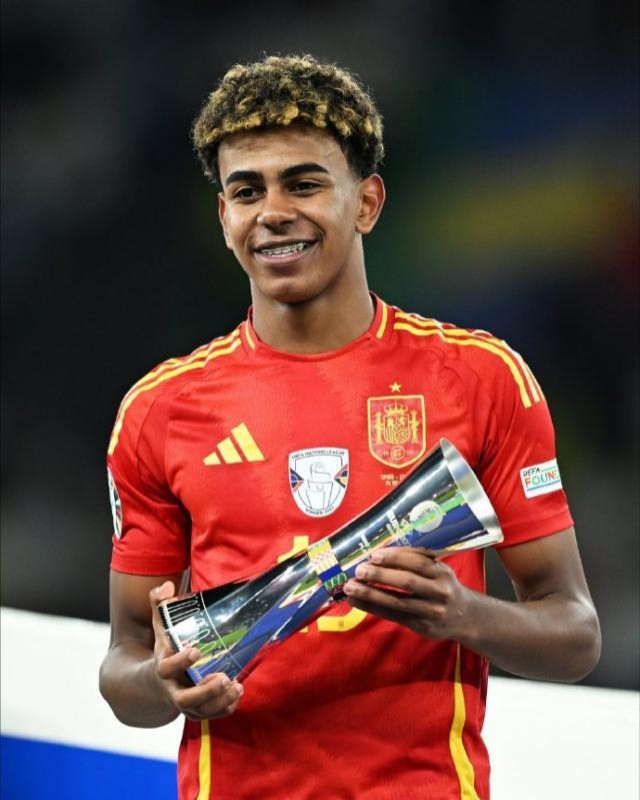
Professional football clubs not only create numerous job opportunities but also drive the development of related industries including sports equipment manufacturing, media, and tourism services. Whenever major matches take place, local bars, restaurants, and hotels experience peak customer flows.
Youth Development and Educational Impact
Spain’s football youth training system is world-renowned, cultivating countless outstanding players and positively influencing youth growth. Football training teaches children teamwork, discipline, and perseverance, qualities that greatly benefit their studies and future careers.
Many parents believe that engaging children in football training not only enhances their physical fitness but also helps shape their character. Even if children do not become professional players, these experiences lay a solid foundation for their lives.
Cultural Heritage and National Pride
The victories in the 2010 World Cup and the 2008 and 2012 European Championships greatly elevated the national pride of Spaniards. Those years of triumph were not just sports achievements but an important demonstration of the country’s soft power, showcasing Spain’s unity and strength to the world.
Football culture has deeply integrated into daily life in Spain. From spontaneous street matches to various football-themed festivals, the sport acts as a bond connecting different generations and social strata. Whether grandfather or grandson, everyone can find common ground in football discussions, and this inheritance makes Spanish football culture even richer.
As a foreigner, I am often moved by Spaniards’ passion for football. This is not just love for a sport but a reflection of a lifestyle and cultural identity. Football has become an indispensable key to understanding Spanish society.
