As a football fan who has lived in Spain for many years, today I want to talk about Getafe Football Club, a team with quite distinctive characteristics. Although it is much more modest compared to giants like Real Madrid and Barcelona, its development history is equally fascinating and inspiring.
Club Founding and Early Development
Getafe Football Club was founded in 1983, located in the city of Getafe to the south of Madrid. This city has a population of approximately 170,000 and is an important part of the Madrid autonomous community. In the club’s early years, it mainly competed in regional leagues, and blue became the team’s signature color, symbolizing the vitality and dreams of this young squad.
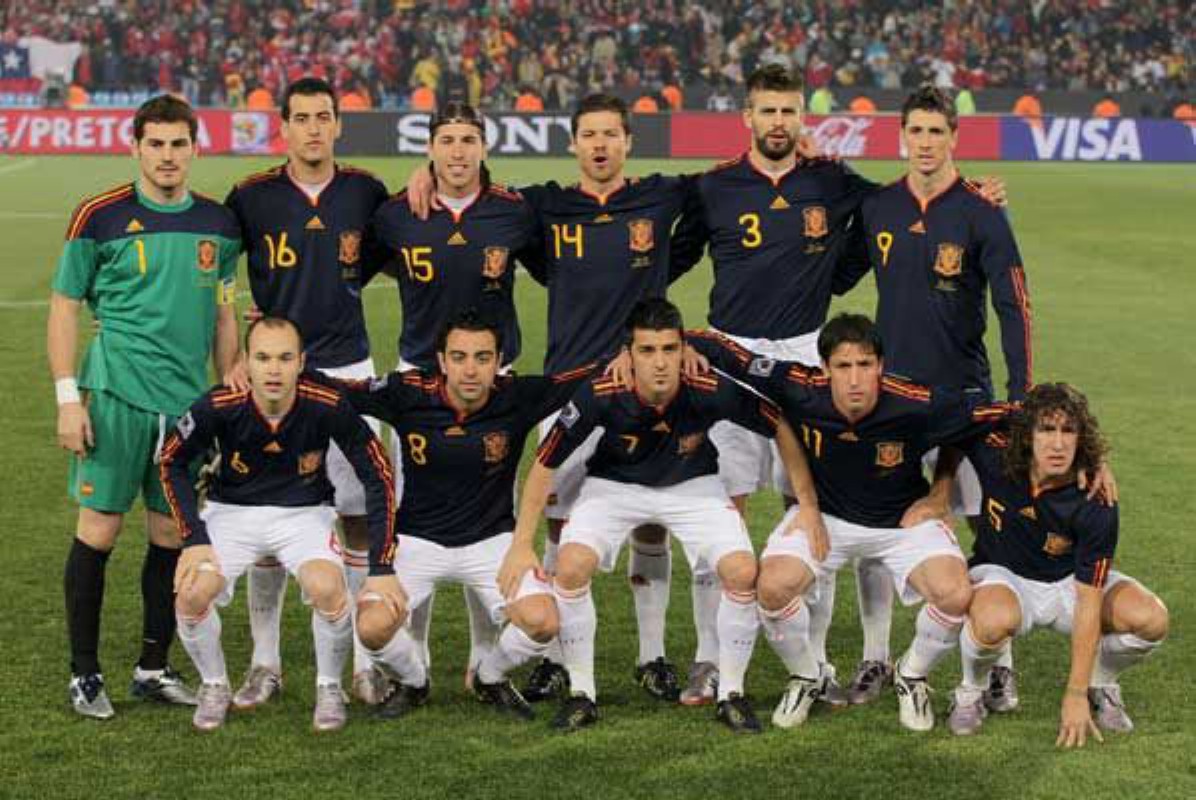
After more than a decade of effort, Getafe successfully earned promotion to Segunda División in the 1999-2000 season, marking a new stage in the club’s development. The team took up residence at the Alfonso Pérez Stadium, a 17,000-capacity venue that witnesses Getafe football’s growth journey.
The Crucial Period of Entering La Liga
The 2003-04 season was a milestone for Getafe. The team performed excellently in Segunda División, ultimately securing promotion and historically entering the top tier of Spanish football—the La Liga. This achievement sparked great excitement throughout the city of Getafe and signaled an important turning point in the club’s progress.
| Season | League Level | Final Position | Significant Achievement |
|---|
| 2003-04 | Segunda División | 2nd | Promoted to La Liga |
| 2004-05 | La Liga | 15th | First La Liga season |
| 2007-08 | La Liga | 7th | Qualified for UEFA Cup |
In its debut La Liga season, Getafe showed great fighting spirit and managed to avoid relegation by finishing 15th. This outcome exceeded many expectations and laid the foundation for the team’s consolidation in Spain’s top division.
European Campaign and Peak Moments
The 2007-08 season marks one of Getafe’s most glorious periods. Under the leadership of head coach Michael Laudrup, the team finished 7th in La Liga, earning qualification for the UEFA Cup. This was the club’s first-ever participation in a European competition, which was extremely significant.
In the subsequent UEFA Cup campaign, Getafe created a miracle. The team advanced through rounds, eliminating strong teams including Benfica, and eventually reached the semifinals. Although they did not make it to the final, this achievement allowed Getafe to leave a prominent mark in the history of Spanish football.
Modern Development and Future Outlook
In recent years, Getafe has maintained relatively stable performances in La Liga, usually finishing in mid-table positions. The club puts strong emphasis on youth development, nurturing many outstanding local players. At the same time, the team excels at discovering cost-effective foreign talents, establishing a unique recruitment strategy.
As an important football club in the Madrid area of Getafe Spanish football, Getafe carries the enthusiasm and dreams of local fans. While there is a considerable gap compared to city rival Real Madrid, Getafe occupies a place in the Spanish football landscape by virtue of its distinct character and persistence. It is believed that in future developments, this blue army will continue to write its own football legend.
