A few months ago, I was fortunate to participate in a training camp organized by a football club in Madrid. Although it was not at the national team level, the coaching staff all had experience in the Spanish professional league. I want to share this unforgettable experience with everyone, hoping it will be helpful for those who share the same dream.
Basic Information of the Training Camp
This training camp lasted for two weeks and was held at a professional training base on the outskirts of Madrid. Participants ranged in age from 16 to 25, mostly amateur players and youth academy trainees from various places. The fee covers accommodation, meals, and training, totaling 1800 euros, which is reasonable compared to similar programs in other European countries.
Detailed Training Content
The daily training was divided into morning and afternoon sessions with considerable intensity. The coaches focused heavily on technical details, especially Spain’s traditional possession and passing skills. We practiced primarily short-passing combinations and off-the-ball movement, areas rarely trained systematically in local play.
| Training Item | Duration | Focus Areas |
|---|
| Technical Training | 90 minutes | Ball control, passing, shooting |
| Tactical Training | 60 minutes | Formations, positioning, teamwork |
| Physical Training | 45 minutes | Endurance, speed, strength |
| Match Simulation | 30 minutes | Competitive play, in-game adaptability |
What impressed me most was the coaches’ attention to detail. For example, the angle of the inside foot when passing or the body orientation when receiving the ball—these seemingly simple actions involve a lot of technique. Once, I received half an hour of one-on-one coaching because of poor ball control habits; although it was a bit embarrassing at the time, I learned a great deal.
Living Arrangements and Cultural Experience
Accommodation was quite decent, with double rooms featuring private bathrooms. The cafeteria served mainly Mediterranean-style meals rich in vegetables and fruits, scientifically balanced for athletes’ nutrition. Occasionally, there were cultural activities in the evenings, such as watching and analyzing La Liga match footage or listening to retired players recount their professional careers.
The most memorable moment was the friendly match on the last day, where we split into two teams to compete. The coaching staff provided evaluations and advice based on our performances. Although I knew the opportunity to become a professional player was slim, the feeling of sweating it out on a professional pitch was truly amazing.
Application Process and Advice
To participate in such training camps, you need to apply 3–4 months in advance by submitting personal information, football experience certificates, and a medical report. Basic English or Spanish communication skills are essential. I initially worried about the language barrier, but the coaches were very patient, explaining technical points using simple vocabulary.
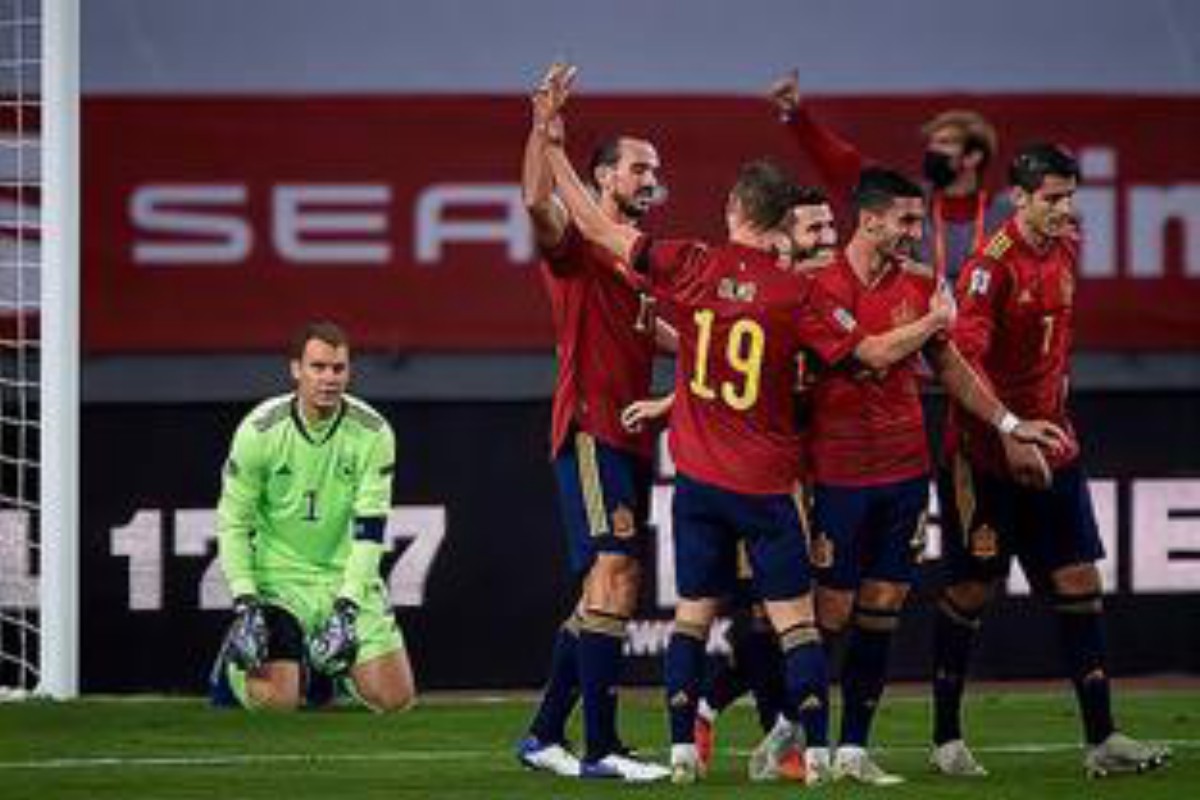
For those interested in joining, I recommend preparing physically in advance. Spain’s training intensity is quite high, and if you lack regular exercise as shown in Football Spain Training Camp Roster, it can be very challenging. Also, adjust your mindset to treat this as a learning and experience opportunity rather than a life-changing gamble. After all, most of us are past the prime age to become professional players, but a love for football never goes out of style.
