The Unique Charm of Spanish Football Teamwork
As a fan who has lived in Spain for over a decade, I have witnessed firsthand the golden era of Spanish football from 2008 to 2012 and the continuous tactical evolution in recent years. Today, I want to share insights on the characteristics and changes in Spanish football teamwork.
The essence of Spanish football has always been teamwork, emphasizing collective strength over individual heroism, whether at the club or national team level. This philosophy has been passed down and developed from Guardiola’s era at Barcelona to the current Manchester City.
The Classic Tiki-Taka Tactical System
When talking about Spanish football, we cannot avoid mentioning tiki-taka. The core of this tactical system lies in short passes, ball possession, and high pressing defense. Players maintain strict control of spacing and passing tempo.
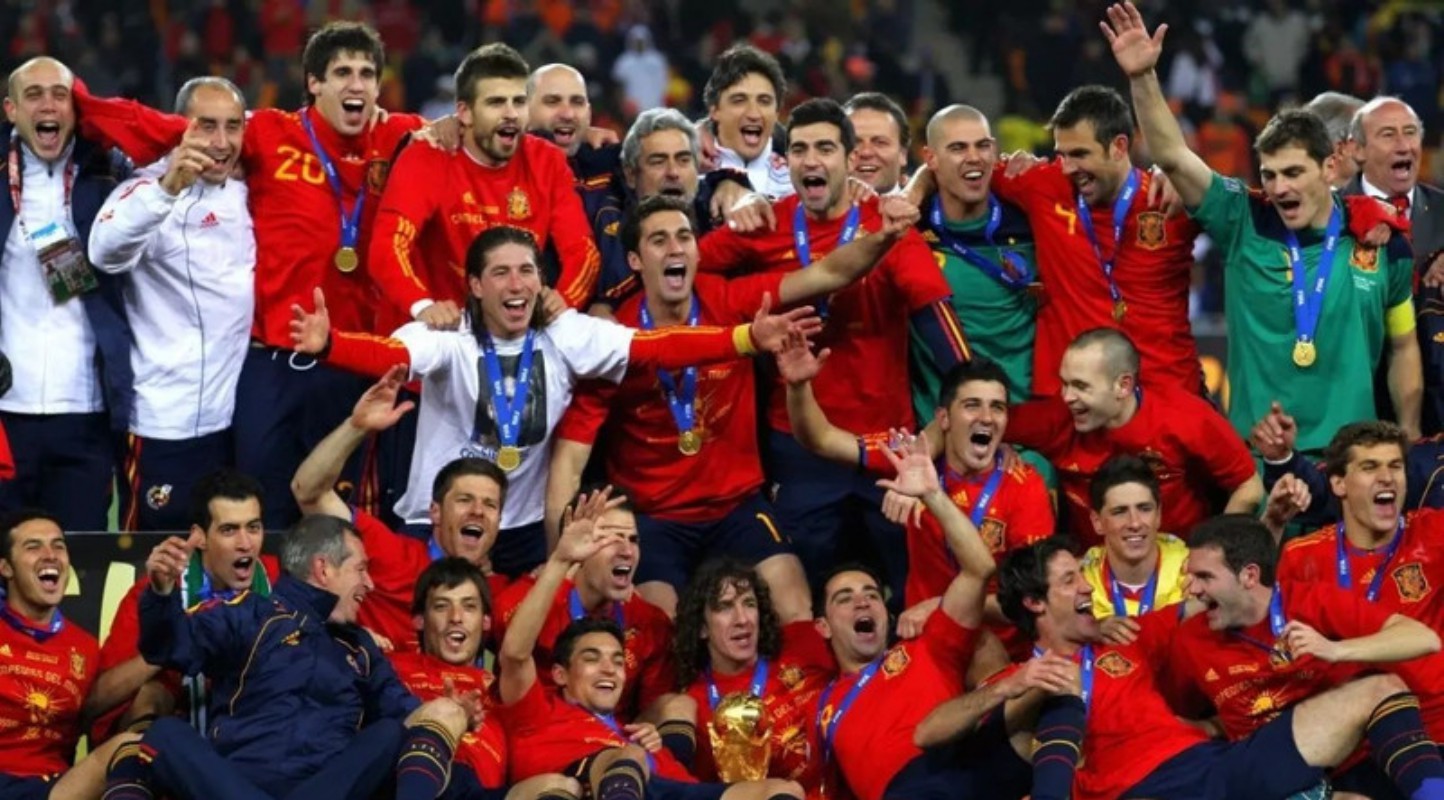
I remember the 2010 World Cup final between Spain and the Netherlands, where Iniesta’s winning goal was a typical result of team cooperation. The continuous passing from the back was purposeful, ultimately creating the scoring opportunity.
Tactical Evolution of Modern Spanish Football
In recent years, Spanish football has maintained its possession tradition while actively adapting to modern football trends. Faster counterattacks and more direct attacking methods have become new hallmarks.
| Period | Main Characteristics | Representative Teams |
|---|
| 2008-2012 | Pure tiki-taka | Barcelona, Spain national team |
| 2013-2018 | Improved possession | Real Madrid, Atlético Madrid |
| 2019-present | Modernized fusion | Spanish team with Manchester City style |
Teamwork at the Club Level
Real Madrid and Barcelona represent two different styles of Spanish football. Real Madrid focuses more on individual skills collective coordination, especially the team chemistry during counterattacks. Meanwhile, Barcelona adheres to traditional possession philosophy, patiently building chances through the Spanish Football Coaching Team.
Atlético Madrid presents another teamwork model—organized defensive counterattacks. Simeone’s squad assigns clear roles for every position, and this militarized team coordination is equally impressive.
Tactical Integration Challenges for the National Team
The biggest challenge for the Spanish national team is integrating players from different clubs into an organic whole. During Enrique’s tenure, the team attempted to blend various tactical styles, preserving the possession DNA while adding more variation with the Spanish Football Training Team.
The younger generation like Pedri, Gavi, and Ferran Torres have invigorated Spanish football with new energy. While maintaining technical traditions, they also bring improved physical attributes and tactical execution.
The teamwork philosophy of Spanish football is entering a new era full of vitality. Whether at club or national levels, this collective football philosophy remains the most precious asset of Spanish football.
